
Global Trade Under Pressure
The international trading system faces significant strain despite its central role in global prosperity and development since the post-World War II era.
Meanwhile, global GDP per capita rose nearly sixfold since 1950 as trade expanded dramatically, demonstrating trade’s historical role in reducing poverty and supporting economic growth.
Need for a New Trade Framework
Therefore, the existing trade architecture must evolve toward a 21st-century model that incorporates sustainability, broader participation, and inclusive economic progress.
Moreover, maintaining a transparent and rules-based multilateral trading system remains essential for managing international economic interdependence and sustaining global commerce.
Sustainability as the Central Goal
Consequently, sustainable development should become the guiding purpose of global trade governance rather than a secondary objective behind market efficiency or comparative advantage.
Furthermore, trade rules that ignore environmental degradation or biodiversity loss risk undermining political legitimacy and long-term human prosperity.
Realistic and Incremental Reform
Meanwhile, transforming the trade system requires pragmatic strategies rather than expecting immediate consensus among all countries.
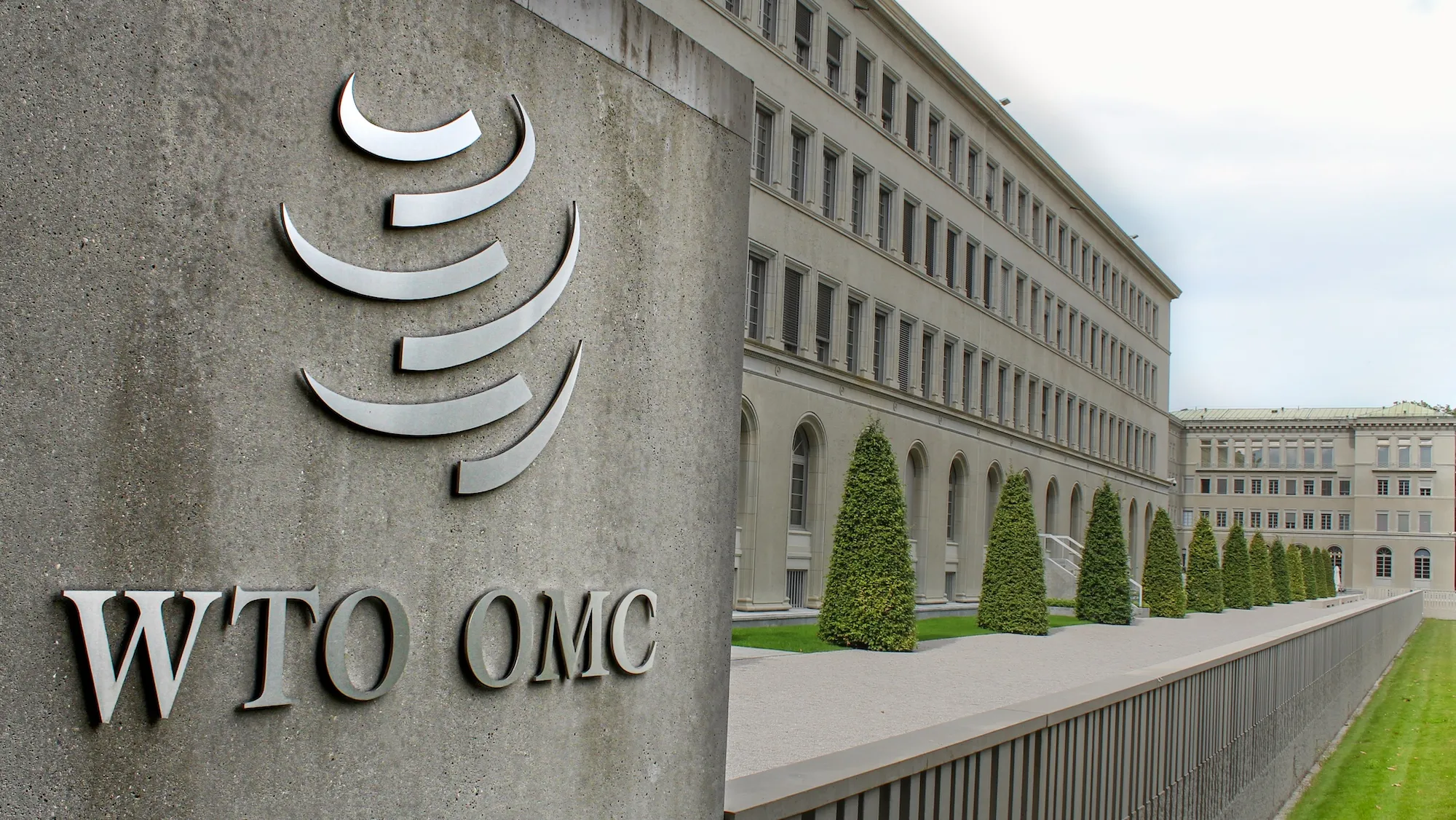
Thus, reforms should build on existing institutions and ongoing efforts by organizations such as the World Trade Organization and other international trade bodies.
Cooperation Among Willing Countries
Similarly, coalitions of willing countries can advance reforms through regional or plurilateral agreements while keeping pathways open for broader participation later.
Consequently, early cooperation among smaller groups can build trust, demonstrate success, and eventually expand into wider multilateral arrangements.
Balancing Pragmatism and Inclusivity
However, incremental cooperation carries risks of fragmentation or exclusion if emerging economies remain outside new initiatives.
Therefore, reform strategies should include open accession rules, flexible commitments, and incentives that encourage wider participation over time.
Toward a Sustainable Global Trade System
Ultimately, a reformed trade system must balance economic growth, environmental protection, and social inclusion to sustain global legitimacy.
Thus, coordinated reforms guided by sustainability principles can strengthen international cooperation and support long-term human flourishing through trade.
Source:
Esty, D., & Pangestu, M. (2026, March 12). A constructive path to sustainable trade reform. Brookings Institution. https://www.brookings.edu/articles/a-constructive-path-to-sustainable-trade-reform/