
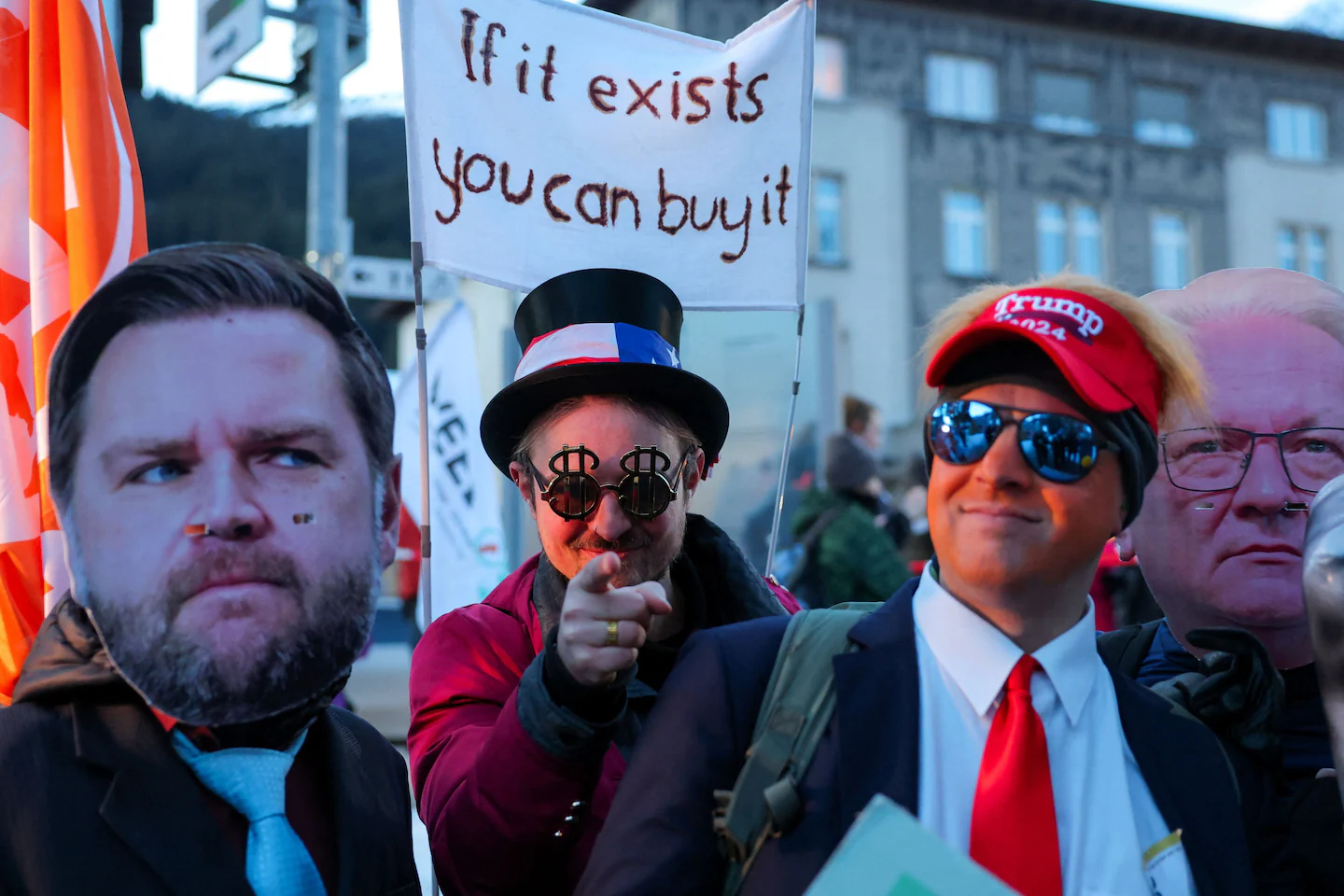
The annual World Economic Forum in Davos unfolds familiar scenes of wealth, security, and global influence, but this year carries a markedly different political atmosphere. President Donald Trump’s prominent presence and impending speech loomed over the gathering. Highlighting a growing clash between his administration’s confrontational, unilateral approach and the cooperative, globalist ideals long associated with Davos. Trade wars, tariff threats against allies, coercive diplomacy, and disputes such as Greenland’s status underscore a shift away from globalization and multilateralism. The speech has unsettled many long-standing assumptions of the international order.

European leaders have responded cautiously to U.S. pressure, warning that tariff threats risk deepening transatlantic rifts. Trump’s actions, that range from aggressive trade measures to unprecedented moves in the Western Hemisphere, signal a worldview increasingly defined by power politics. While Davos organizers emphasize dialogue and record participation by global leaders and CEOs, expectations for consensus on shared challenges like inequality remain low. Reports from the forum point to rising “geoeconomic confrontation” and a steady decline in multilateral cooperation, even as global wealth concentration accelerates.
Despite this pessimistic backdrop, Davos leaders argue against resignation. Forum officials stress the need to adapt to a “new reality” by keeping channels of dialogue open. Meanwhile critics note that Trump’s strategy reflects a belief that the U.S. can thrive in a more ruthless global arena. At the same time, other nations are adjusting rapidly, seeking new partnerships, recalibrating alliances, and reinforcing trade ties in response to Washington’s unpredictability.
Shifting Alliances in a Fragmenting World

Canadian Prime Minister Mark Carney speaks to the media in Beijing on Friday. (Vincent Thian/AP)
Recent moves by Canada and China to reset relations, alongside a landmark EU–South America trade agreement, illustrate the situation. Now, countries are forging alternative alignments as faith in the rules-based order erodes. These developments highlight a world reorganizing itself around new partnerships, often without U.S. leadership. Analysts suggest that while the United States will remain powerful, its growing antagonism toward multilateral institutions may leave it increasingly isolated. They’re describing it as a “world minus one,” defined less by shared rules than by strategic realignment.
Reference
Tharoor, I. (2026, January 18). As Trump goes to Davos, the world faces a ‘new reality.’ The Washington Post. https://www.washingtonpost.com/world/2026/01/19/trump-davos-wef-greenland-venezuela-europe-switzerland/