

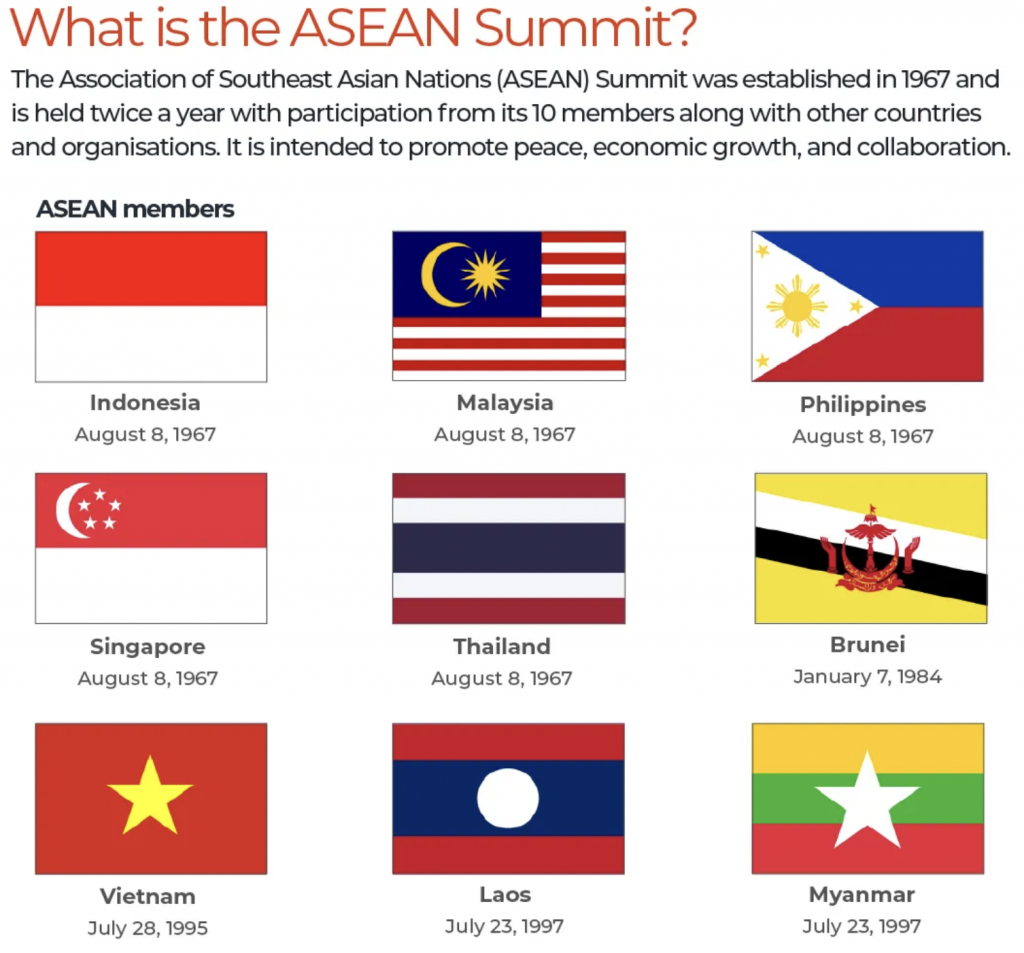
The 47th ASEAN Summit in Kuala Lumpur has emerged as a critical diplomatic arena where Southeast Asian nations, along with major global powers, will address two pressing geopolitical flashpoints: the escalating US-China trade war and the newly reignited Cambodia-Thailand border conflict. The summit features not only leaders from ASEAN’s 10 member states (soon to be 11 with the formal induction of East Timor) but also key external powers including the United States, China, Japan, Australia, Russia, and India. The presence of U.S. President Donald Trump has elevated the stakes, as many leaders seek direct negotiations over American tariffs and access to critical minerals.
One of the summit’s headline events is a peace agreement between Cambodia and Thailand following deadly clashes that left dozens dead and displaced hundreds of thousands. The agreement will be signed under the supervision of Trump, in what some analysts argue is more symbolic than substantive. Critics warn that the deal is motivated less by genuine conflict resolution and more by economic pressure, as both countries are eager to avoid U.S. tariffs. The border demarcation dispute, which lies at the heart of the conflict, remains unresolved, raising concerns that the agreement is temporary and vulnerable to collapse.
The economic dimension dominates the agenda. Trump’s “Liberation Day Tariffs” have imposed severe trade costs on ASEAN economies, with rates as high as 40 percent for Laos and Myanmar. In response, China (ASEAN’s largest trading partner) has restricted exports of rare earth minerals, leveraging its dominance over the global supply chain to pressure both Washington and regional states. ASEAN leaders are therefore arriving not merely to attend a regional summit, but to directly lobby Trump for tariff relief and to secure exemptions that could shield their economies from further disruption. This has effectively turned the summit into a diplomatic competition for U.S. favor.
However, the summit also highlights ASEAN’s structural limitations. Unlike the European Union, ASEAN operates on strict non-interference and consensus principles, meaning it lacks enforcement mechanisms to ensure compliance with regional agreements. This has rendered the bloc largely ineffective in addressing long-term crises such as Myanmar’s civil war and recurring border disputes. As analysts note, ASEAN’s foundational commitment to national sovereignty (rooted in its post-colonial identity) prevents it from evolving into a rules-based community. As a result, this summit may generate headlines and photo opportunities, especially around Trump’s involvement, but is unlikely to produce durable solutions to the geopolitical and economic challenges facing Southeast Asia.
Reference:
Hale, E. (2025, October 25). ASEAN summit in Malaysia: Who’s attending and what to expect. Al Jazeera. https://www.aljazeera.com/news/2025/10/25/asean-summit-in-malaysia-whos-attending-and-what-to-expect