
The Hard Intersection of Sport and Conflict
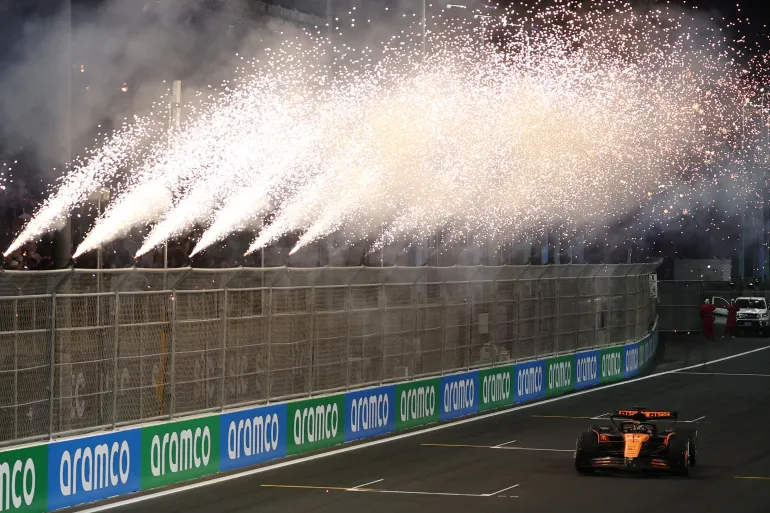
On March 13, 2026, Formula 1 (F1) and the FIA signaled the imminent cancellation of the Bahrain and Saudi Arabian Grands Prix, originally scheduled for mid-April. This decision follows a period of extreme regional volatility after US-Israeli military operations against Iran and subsequent retaliatory strikes that hit Manama and Jeddah. Consequently, the 2026 F1 calendar is set to be reduced from 24 to 22 races, leaving a massive five-week void in April. The move underscores that even the most lucrative and high-profile sporting events are not immune to the physical risks posed by state-on-state warfare, marking a rare moment where security concerns have completely overridden the massive commercial interests of F1’s Gulf partners.
Origins and the Logistics of Security Risks
Originally, the Persian Gulf was considered a stable, albeit complex, host for global sports. However, the escalation in early 2026 transformed these host cities into active conflict zones. The Al Jazeera report indicates that the origin of the cancellation lies in a “logistical deadline”—freight for the Bahrain race must be dispatched by mid-March. With major regional airports facing closures and the Bahrain International Circuit located only 20 miles from a targeted US naval base, the insurance and safety risks became insurmountable. Furthermore, unlike in 2022, when F1 raced in Jeddah despite a nearby missile strike on an oil depot, the 2026 conflict involves direct state-level engagement, making it impossible for F1 leadership to guarantee the “sanctity” of the event.
Structure of Economic Loss and Alternative Planning
The structure of this cancellation is organized around a significant financial hit to F1’s business model, which relies heavily on hosting fees—estimated at over $100 million for these two events alone. Specifically, while circuits like Imola (Italy) and Portimão (Portugal) were initially touted as replacements, the FIA has indicated that a replacement is unlikely due to the extreme logistical turnaround required and existing commitments for other racing series. Moreover, the report highlights that the “inextricable link” between the two races meant that if Bahrain was deemed unsafe, Saudi Arabia would suffer the same fate to avoid a lopsided and strategically difficult travel schedule for the teams. This decision leaves teams in a state of “forced development,” as they will now have over a month to refine cars based on early-season data before the Miami Grand Prix in May.
Synthesis of Soft Power Erosion and Regional Realignment
The successful hosting of F1 was a cornerstone of “Soft Power” for Bahrain and Saudi Arabia, intended to signal modernization and stability to the Western world. This objective is now in jeopardy as the cancellation serves as a global admission that the region is currently too unstable for international commerce and entertainment. Simultaneously, there is a clear intent from F1’s American owners (Liberty Media) to prioritize the safety of their personnel and multi-billion dollar assets over the political desires of their Gulf hosts. Ultimately, the March 2026 cancellations provide a somber roadmap for the future of global events in contested regions, signaling that the era of “sportswashing” stability has been shattered by the return of large-scale conventional warfare.
Reference
Al Jazeera. (2026, March 13). Bahrain and Saudi F1 races set to be cancelled due to Middle East conflict. Al Jazeera News. https://www.aljazeera.com/sports/2026/3/13/bahrain-and-saudi-f1-races-set-to-be-cancelled-due-to-middle-east-conflict