
Clean Energy Momentum and Carbon Challenges
Energy demand across the Asia-Pacific continues climbing, intensifying the climate crisis market by rising temperatures and extreme weather. APEC members are transitioning toward carbon-free power to secure energy stability and meet neutrality goals.
Since 2014, renewable energy use in power generation grew over sixty percent, putting APEC ahead of its doubling target for 2030. However, fossil fuel generation still expands faster than renewables, so emissions keep rising unless change accelerates.
Carbon-free energy (CFE) includes nuclear, renewables, clean hydrogen, ammonia, storage systems, and carbon capture technologies. This diverse mix not only lowers emissions but also strengthens power reliability amid fluctuating supply.
Despite progress, costs and infrastructure limits hinder broad deployment, especially for storage and carbon capture. Different policies across economies slow unified action, creating gaps in clean energy expansion. Private companies struggle to adopt CFE while remaining competitive, requiring supportive business models and investment incentives.
Regional Action, Innovation, and Future Priorities.
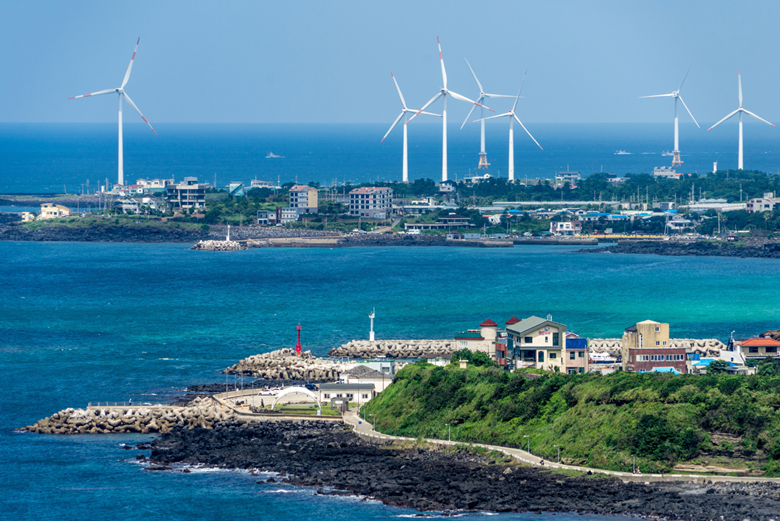
Collaboration is critical, so initiatives like the Carbon-Free Alliance promote shared technology and investment standards. Some regions are examples; Jeju Island aims for 100% renewable energy and green hydrogen by 2035, expanding offshore wind capacity significantly.
To accelerate the shift, investment in storage, grids, and emerging technologies is essential. Standardized clean energy certification and aligned policies will enable cross-border energy trade.
Innovation remains vital, especially in carbon capture, hydrogen fuels, and small modular nuclear reactors. Public-private partnerships can galvanize adoption and distribute economic benefits widely.
APEC’s clean hydrogen framework supports cooperation for building integrated regional markets. Massive funding, particularly to meet net-zero goals, requires innovative financing to bridge investment gaps. Ultimately, balancing reliability, affordability, and emissions reduction will drive a resilient, carbon-free energy future.
Source:
Asia-Pacific Economic Cooperation. (2025, 7 de abril). Breaking Free from Carbon with a Clean Energy Shift in the Asia-Pacific. https://www.apec.org/press/features/2025/breaking-free-from-carbon-with-a-clean-energy-shift-in-the-asia-pacific