
Diplomatic Engagement Under Strategic Duress
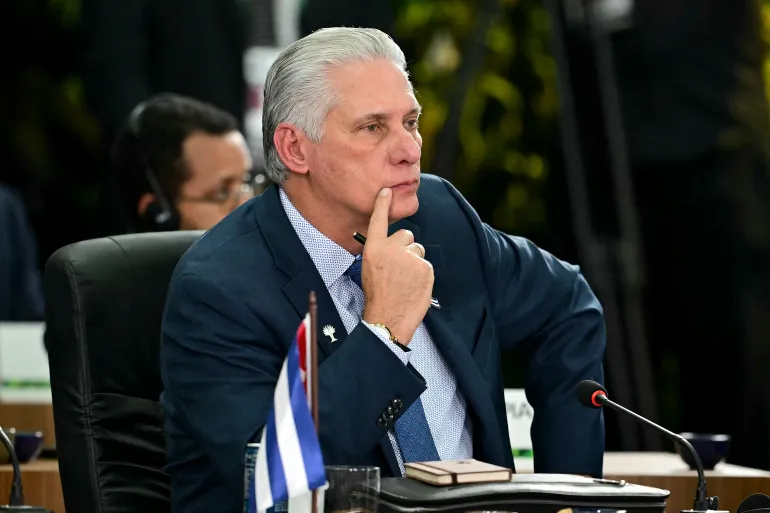
In March 2026, Cuban President Miguel Díaz-Canel confirmed that high-level talks were held between Havana and Washington, despite the increasingly hostile rhetoric from the Trump administration. These discussions occurred against a backdrop of renewed threats from the United States to tighten the decades-old embargo and potentially re-designate Cuba as a “state sponsor of terrorism” with even more severe financial penalties. Consequently, the meeting is viewed by international observers as an attempt at “de-confliction” rather than a full-scale normalization of ties. The willingness of both sides to sit at the table, even under such aggressive conditions, suggests that there remain critical areas of mutual concern—such as migration and regional security—that necessitate a baseline level of communication.
Origins and the Reversal of the Thaw
Originally, the “thaw” in bilateral relations initiated during the Obama era had created expectations of a long-term strategic shift toward economic integration and diplomatic stability. However, the subsequent return of the “Maximum Pressure” policy has systematically dismantled these gains, pushing the Cuban economy into its most severe crisis since the Special Period. The Al Jazeera report indicates that the origin of these recent talks lies in the urgent need to address the surge in maritime migration, which poses a domestic political challenge for the Trump administration. Furthermore, Havana is attempting to leverage its strategic relationship with the People’s Republic of China as a bargaining chip, signaling to Washington that total isolation will only drive Cuba further into the orbit of its primary geopolitical rivals.
Structure of the Negotiations and Sovereign Constraints
The structure of the current dialogue is organized around “transactional security,” where Havana offers cooperation on border control in exchange for limited humanitarian exemptions and the maintenance of certain remittance channels. Specifically, the Cuban delegation has emphasized that any long-term stability is impossible while the U.S. continues to target the island’s energy supply through secondary sanctions on tankers. Moreover, the report highlights the internal political constraints within the U.S., where the Florida-based diaspora remains a powerful lobby advocating for “annihilation” rather than engagement. This structured stalemate means that while talks may prevent an immediate military or total economic collapse, they lack the political will to address the fundamental structural differences between the two nations.
Synthesis of Regional Stability and Crisis Diplomacy
The successful prevention of a total diplomatic break relies on a synergy between Cuba’s pragmatic survivalism and the U.S. desire to avoid a humanitarian catastrophe that would trigger an unmanageable migration crisis. This objective is essential for the Díaz-Canel administration to maintain internal social order as inflation and energy shortages reach critical levels. Simultaneously, there is a clear intent among Latin American neighbors to facilitate this dialogue to prevent the Caribbean from becoming a flashpoint in the broader “New Cold War” between Washington and Beijing. Ultimately, the March 2026 talks provide a fragile roadmap for “hostile coexistence,” signaling that even in an era of renewed American interventionism, the reality of geography mandates some form of contact between these two historical adversaries.
Reference
Al Jazeera. (2026, March 13). Cuban President Diaz-Canel says talks held with US amid Trump threats. Al Jazeera News. https://www.aljazeera.com/news/2026/3/13/cuban-president-diaz-canel-says-talks-held-with-us-amid-trump-threats