
Global Context
First, Chinese investment in clean energy must be understood within the broader competition between the United States and China to dominate future energy technologies.
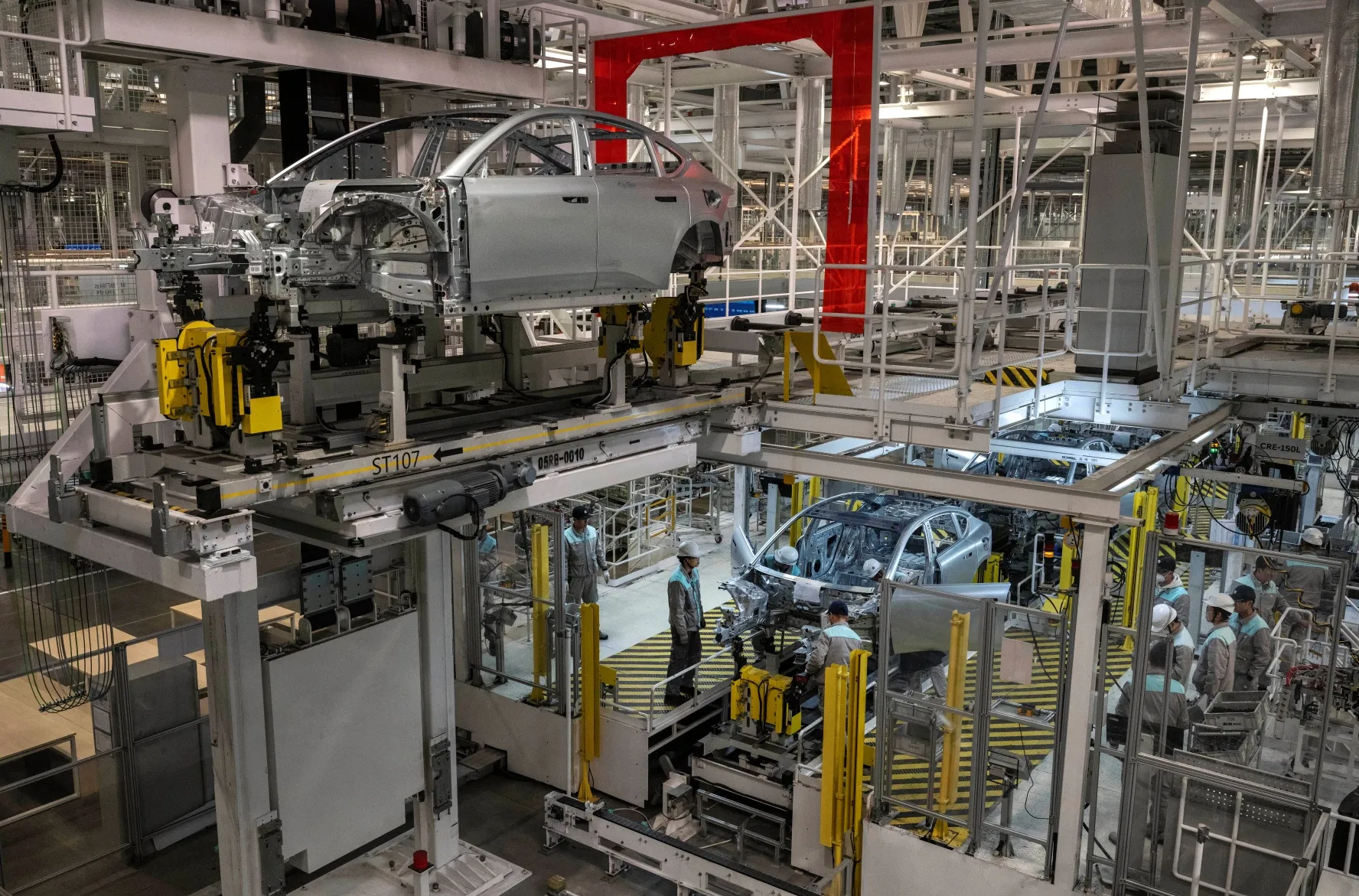
China has invested heavily in renewable energy, electric vehicles, batteries, and solar manufacturing, becoming a global leader in these sectors.
China’s Leadership in Clean-Energy Manufacturing
Meanwhile, large Chinese subsidies and industrial policies have allowed firms to dominate the production of key technologies, including photovoltaic panels and electric-vehicle batteries.
As a result, China controls much of the global supply chain for clean-energy products.
Potential Benefits for the United States
On the one hand, Chinese investment in U.S. clean-energy sectors can create jobs, expand local manufacturing, and accelerate the energy transition.
Moreover, partnerships between Chinese and American companies can foster knowledge exchange and technological innovation.
Lower Costs and Faster Deployment
Additionally, Chinese firms often produce renewable technologies at lower prices due to large-scale manufacturing and intense domestic competition.
Consequently, their participation can reduce costs for American consumers and speed the deployment of clean energy.
Risks to Domestic Industry
However, Chinese investment can also intensify competition for American firms, particularly when Chinese companies benefit from strong state support.
Therefore, domestic manufacturers may struggle to compete with lower-priced imports and foreign-backed production.
Concerns About Supply-Chain Dependence
Furthermore, reliance on Chinese companies for key clean-energy technologies raises concerns about national security and supply-chain vulnerability.
For this reason, policymakers debate whether excessive dependence could expose the United States to geopolitical pressure.
Policy Responses in the United States
Consequently, U.S. policy has increasingly aimed to balance cooperation and competition.
Measures such as the Inflation Reduction Act seek to strengthen domestic manufacturing while still advancing the clean-energy transition.
Barriers to Chinese Investment
At the same time, regulatory rules and political tensions have discouraged some Chinese firms from investing in the United States.
Therefore, potential collaborations that could benefit both economies sometimes fail to materialize.
Strategic Trade-Off
Ultimately, Chinese investment in U.S. clean-energy sectors presents a complex trade-off.
It can accelerate innovation and reduce costs, yet it also raises concerns about competition, industrial policy, and long-term technological leadership.
Source:
Chan, K. (2024). Does Chinese investment in U.S. clean energy sectors help or hurt America? Brookings Institution. https://www.brookings.edu/articles/does-chinese-investment-in-us-clean-energy-sectors-help-or-hurt-america/