
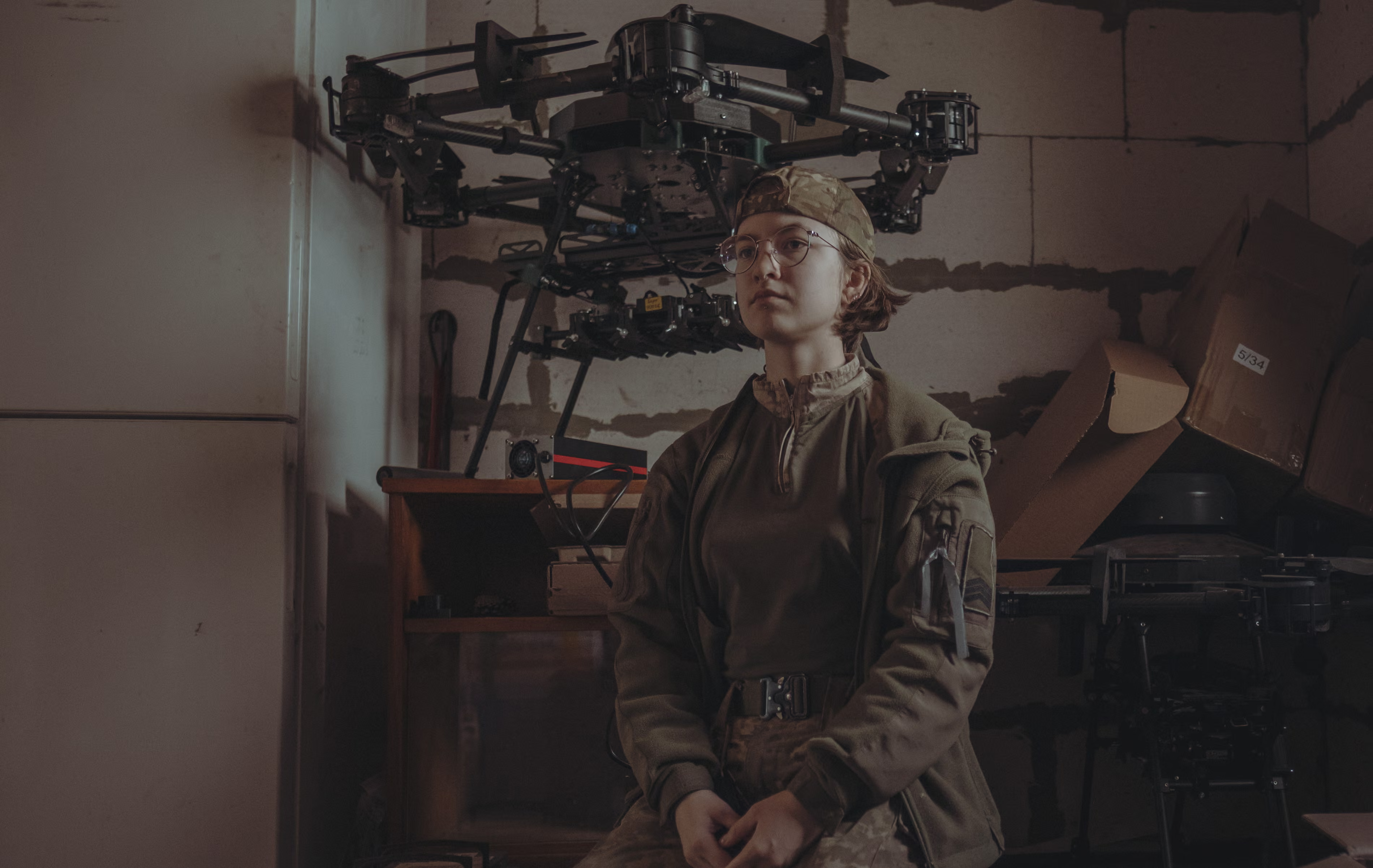
As Ukraine’s battlefield losses deepen and manpower shortages intensify, more women are stepping into one of the war’s most risky front-line roles: FPV drone operations. Their growing presence is less a symbol of social transformation than a response to an escalating national strain. Training pipelines have compressed into 15-day crash courses. A pace that mirrors the urgency on the ground, and instructors estimate that dozens of women are already active or nearing deployment.

Dasha, 37: drone commander on the eastern front
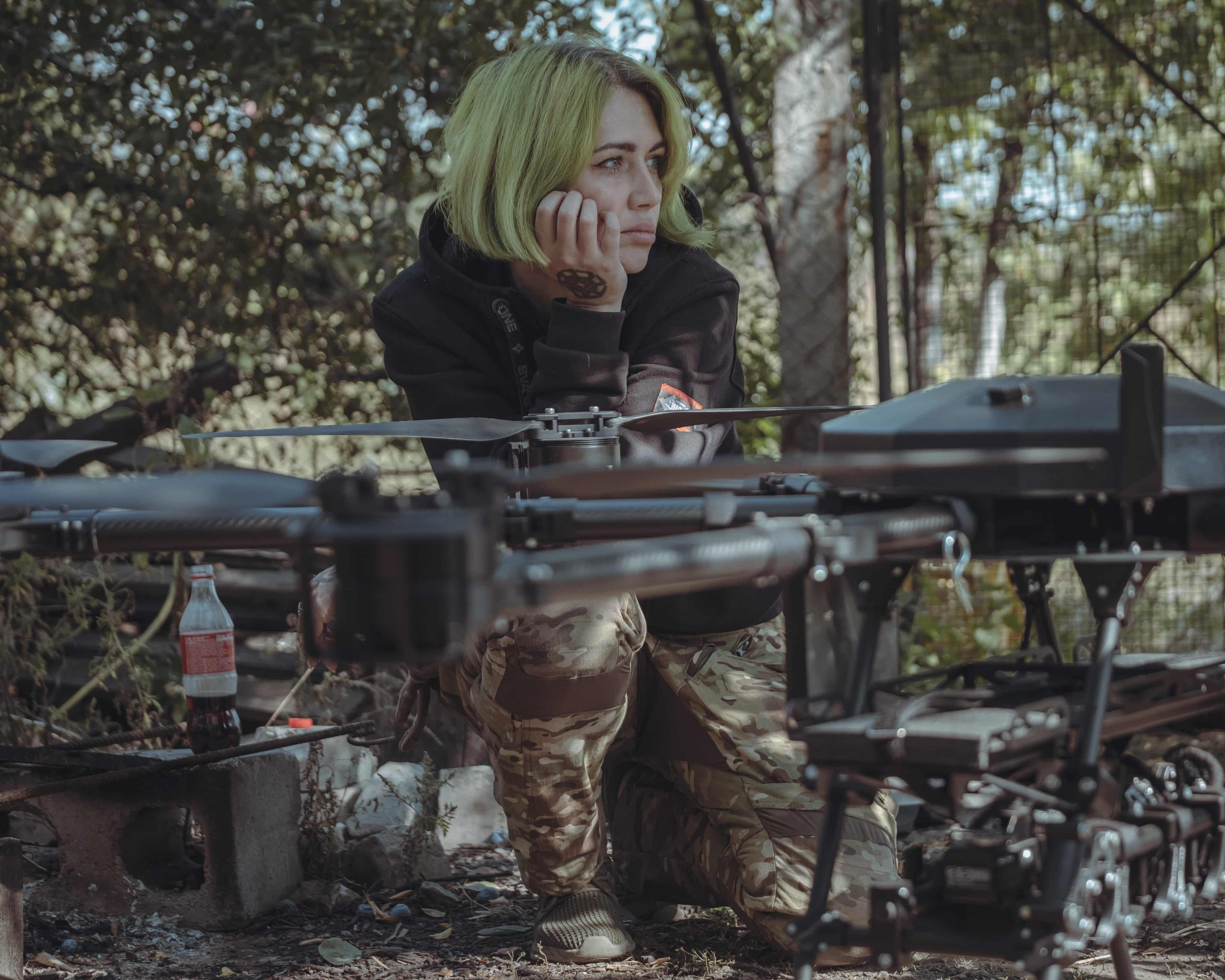
Close to the eastern front, operators work only kilometres from Russian positions, exposed to artillery, drones and guided bombs. For many, service was never part of their imagined path. Dasha, now leading a mixed-gender unit, explains that her decision emerged from loss rather than aspiration: “It wasn’t about whether I was ready. It was about the fact that there were fewer people left.”
Her motivation circles back to her family, especially her children abroad. “I don’t want my children to become the next generation of war children. That’s all the motivation I need.”Within these units, fatigue has replaced romantic ideas of heroism. As Dasha puts it, “This isn’t about women proving anything. It’s about necessity.”
Elisabeth, 30: first-person-view drone pilot

That same sentiment carries through the experience of Elisabeth, who survived months of bombardment before joining FPV training during a period of heavy regional casualties. After seeing teammates injured and rotation cycles shrink, she describes a shift in attitude among combatants: “People stopped caring who was a woman or who wasn’t. They cared who could fly.” The emotional toll, however, remains sharp. “It doesn’t get easier,” she admits. “You just get used to carrying it.
Ilona, 24: trainee at a drone school near Kyiv

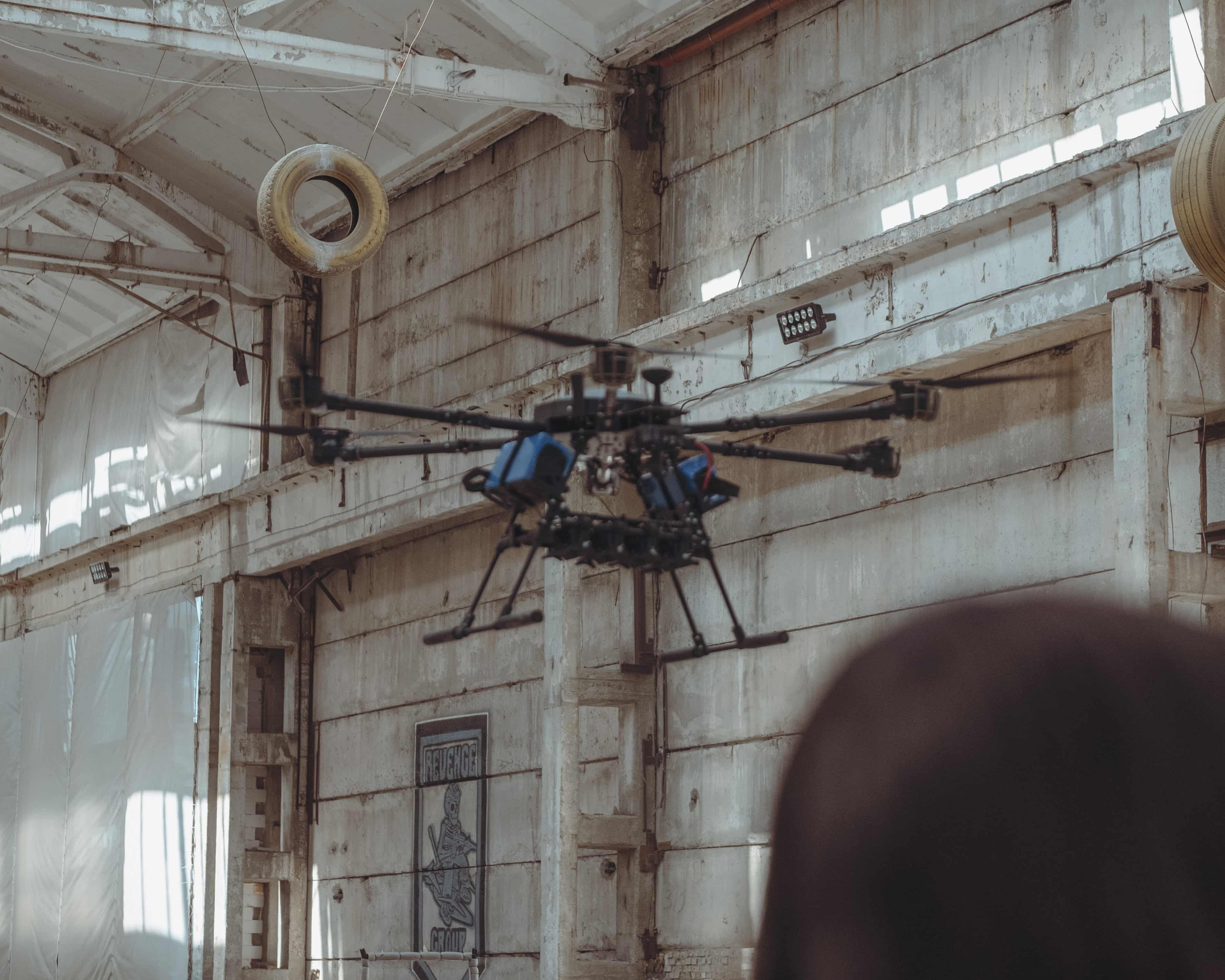
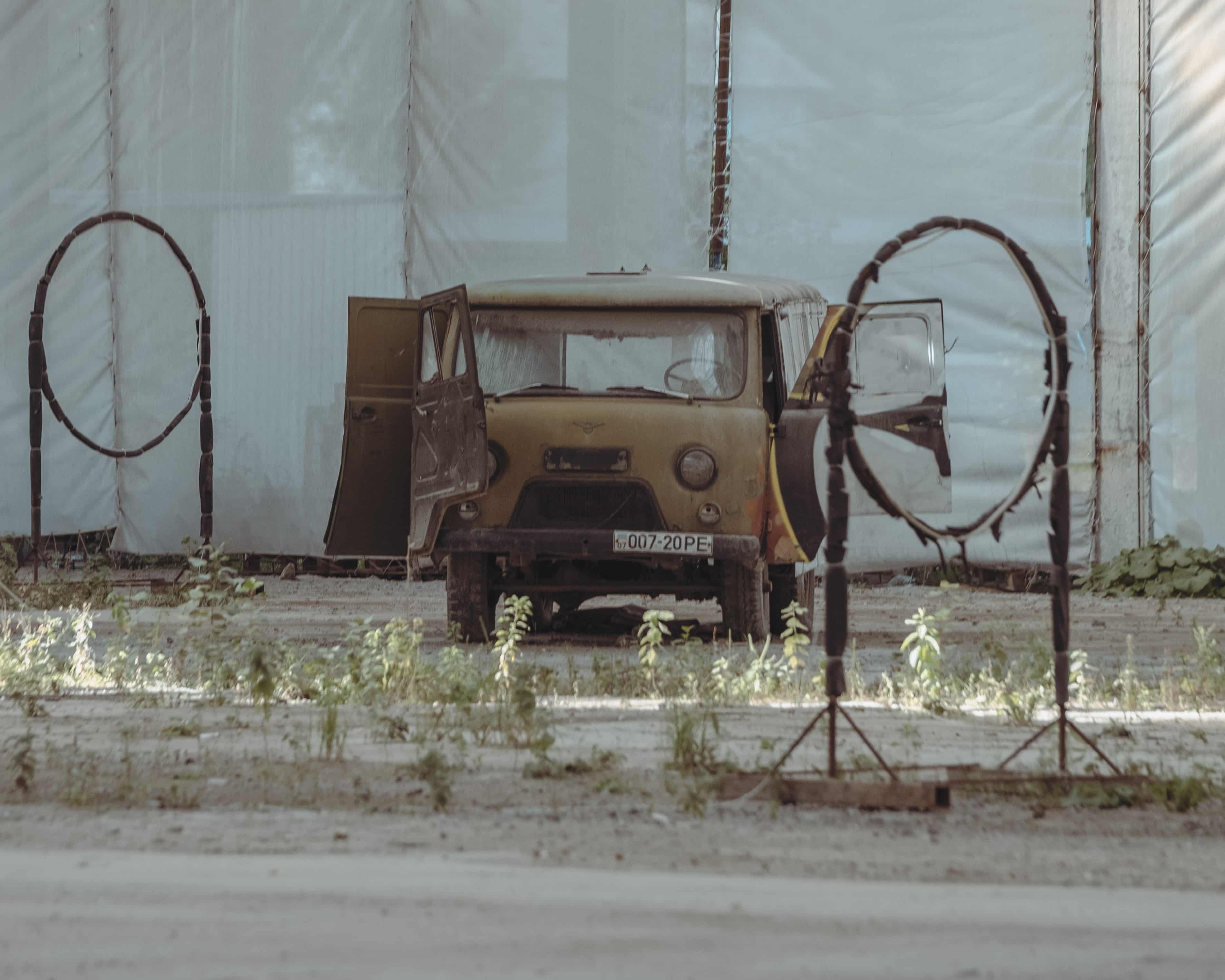
Ilona’s path began in civilian drone school, where she arrived without technical confidence and with no previous military background. Her training centre moves frequently to avoid being targeted, a reminder that drone operators are high-value marks for Russian forces. “You understand very quickly that drone operators are hunted,” she says. Yet what impresses her most is the overwhelming demand. Waiting lists swell each month as civilians step forward to replace those who have been mobilised or killed. As she notes with blunt clarity: “So many men my age are already gone. Someone has to take their place.”

Together, these voices outline a war effort reshaped by necessity, accelerated training and the relentless pressure of survival. Where gender fades and the only criterion that matters is whether someone can keep a drone aloft under fire.
Reference
Schütze, G. (2025, November 27). ‘Drone operators are hunted. You feel it from your first day’: the female pilots on Ukraine’s frontline. The Guardian. https://www.theguardian.com/world/2025/nov/26/women-flying-drones-ukraine-frontline-casualties-recruitment-combat?CMP=Share_AndroidApp_Other