
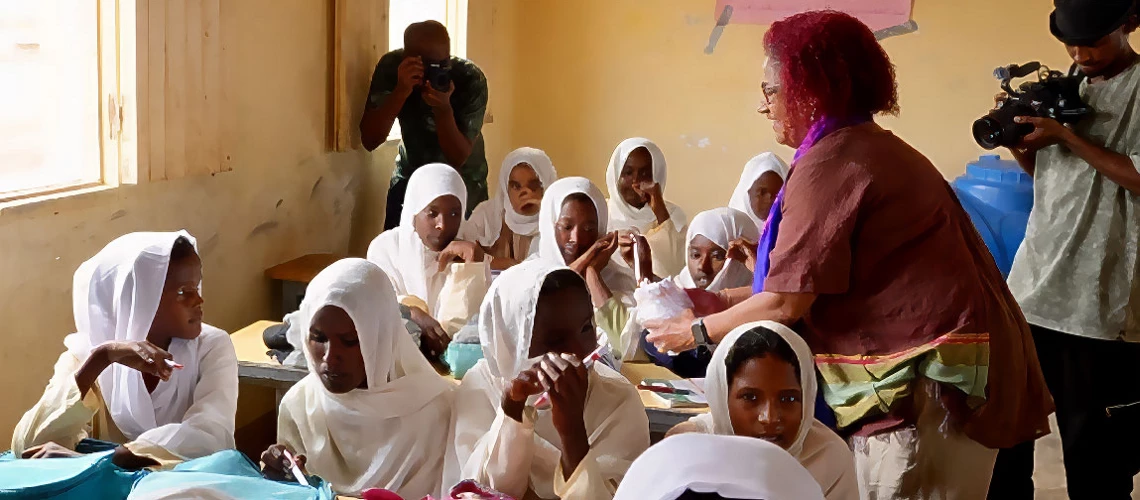
After years of crisis and conflict in Sudan, recent visits to communities on the front lines reveal both immense suffering and surprising resilience among ordinary people. Despite widespread destruction of infrastructure and public services, families are finding ways to support one another and rebuild daily life. Local leaders and civil society groups, with support of volunteers, are working together to meet urgent needs, often in places where formal systems have collapsed.
Nevertheless, access to basic necessities like clean water, healthcare, education, and safe shelter remains extremely limited in many areas. Displacement and economic hardship have deepened food insecurity and pushed many households into poverty. People describe how they cope with uncertainty by relying on informal networks, pooling resources, and adapting skills to new circumstances.
At the same time, there is hope rooted in community solidarity and grassroots responses to crisis. Health workers, teachers and local volunteers speak of their commitment to serving neighbors despite personal risk. Young people are organizing to support vulnerable groups and help restore essential services. These local initiatives show how collective action can make a tangible difference.
The experience on the ground underscores that sustainable recovery will require not only humanitarian aid but also long-term investment in institutions, infrastructure and opportunities. Supporting community-led solutions and strengthening local capacities are seen as central to building more resilient and inclusive futures for people across Sudan. By combining immediate relief with broader development efforts, there is potential for progress even in the face of daunting challenges.
Reference: World Bank. (2026, February 5). Hope on the front lines: What we saw during our return to Sudan. World Bank Blogs. https://blogs.worldbank.org/en/africacan/hope-on-the-front-lines-what-we-saw-during-our-return-to-sudan