
China’s Strategic Position in Iran Amid Unrest
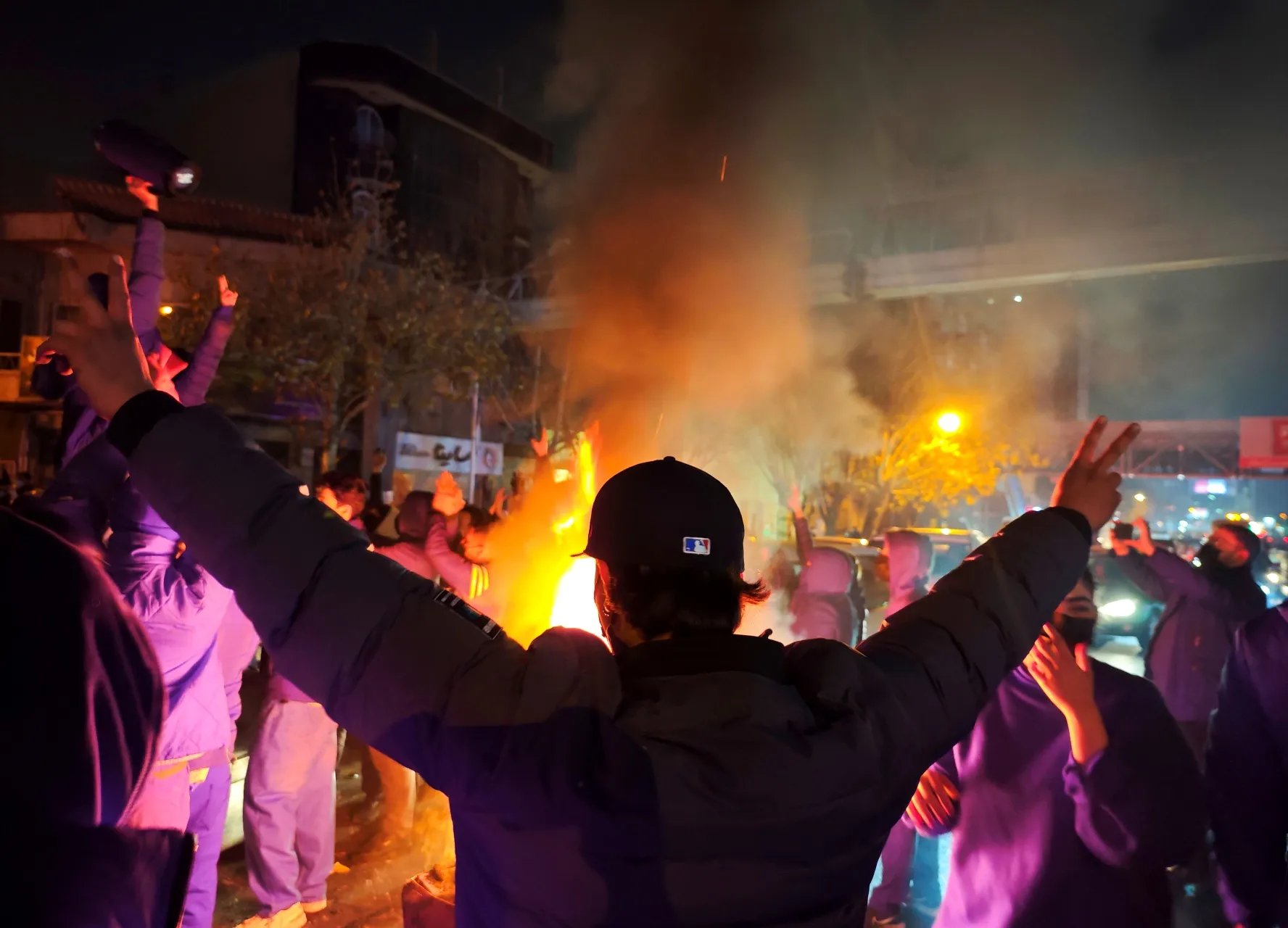
China maintains a significant but far from indispensable relationship with Iran, as tensions escalate and the Iranian regime faces growing internal pressure. Because of widespread protests in Iran and rising international scrutiny, Beijing has adopted a cautious posture, urging calm and emphasizing stability rather than actively intervening.
In this context, China’s priorities are clear: protect its access to Iranian oil, avoid disruption to core economic interests, and prevent a shift in Tehran towards policies aligned with the United States. China’s calculated stance reflects how Tehran matters to Beijing, yet does not define China’s broader strategic ambition.
Iran is treated by China as a mid-tier partner that offers benefits without commanding deep political or military commitments. Diplomatic ties date back to 1971, and in 2016 the two governments upgraded relations to a comprehensive strategic partnership. This designation places Tehran alongside key economic relationships, such as those with the European Union and Gulf states, but noticeably below China’s “all-weather” allies like Russia and Pakistan.
Economically, China’s interest in Iran is driven primarily by energy and commercial calculations. Iranian crude feeds into China’s energy mix, helping diversity supplies beyond other major producers and reducing dependency on any single source. In 2021, a long-term cooperation agreement promised $400 billion in Chinese investment in exchange for ongoing access to Iranian oil.
Despite the headlines, many pledged projects have lagged, leaving Iran frustrated. In 2025, most Iranian oil exports flowed to China, but only a modest portion of China’s overall energy imports came from Tehran. Many shipments are routed to smaller regional refineries that depend on discounted, sanctioned oil, rather than China’s national energy champions.
Alongside commerce, Beijing and Tehran sustained limited security cooperation. Joint efforts focus on counterterrorism, illegal migration, and shared exercises with other partners. China has transferred air defense systems, missile components, and dual-use technologies to Iran, and has also provided training.
Even so, when the United States struck Iranian nuclear sites in 2025, China’s response remained largely rhetorical, denouncing the attack and expressing diplomatic support for peace. No significant material aid or strategic defense commitments followed, underscoring the cautious limits of China’s security backing.
Beijing’s Calculated Response to Internal Turmoil
As protests intensify across Iran, Chinese officials have publicly called for unity and national stability, repeating familiar themes seen in Beijing’s foreign policy rhetoric. State media often casts unrest as external interference, framing dissent in ways that align with narrative useful to China’s own leadership.
Beyond supportive messaging, China has also shared surveillance tools and models for controlling information flows, which could assist authorities in suppressing dissent. Yet practical options for China to preserve the current Iranian regime are limited, and Beijing has few levers to halt political upheaval inside Iran.
Looking ahead, a collapse of Iran’s government would not threaten China’s broader strategy, although it might require adjustments. Beijing would likely shift to safeguarding its people, investments, and oil supply contracts while encouraging stability under any successor authority.
One key concern is ensuring that Iran does not realign towards the United States, which would alter the regional balance. At the same time, China seeks to avoid having turmoil in Iran become a flashpoint in its delicate relations with Washington, especially as high-level dialogues are planned.
Crucially, China’s leadership is more sensitive to the symbolic impact of popular protests than to changes in Tehran’s political calculus. Past waves of regional uprising have heightened officials’ fears that images of mass mobilization and regime change elsewhere could inspire similar challenges at home. Consequently, preserving domestic stability remains a core priority that shapes how Beijing responds to crises abroad, and this concern likely overshadows Iranian dynamics in China’s strategic calculus.
Source:Hass, R., & Matthias, A. (2026, January 27). How is China positioning itself as Iran’s regime teeters? Brookings Institution. https://www.brookings.edu/articles/how-is-china-positioning-itself-as-irans-regime-teeters/