
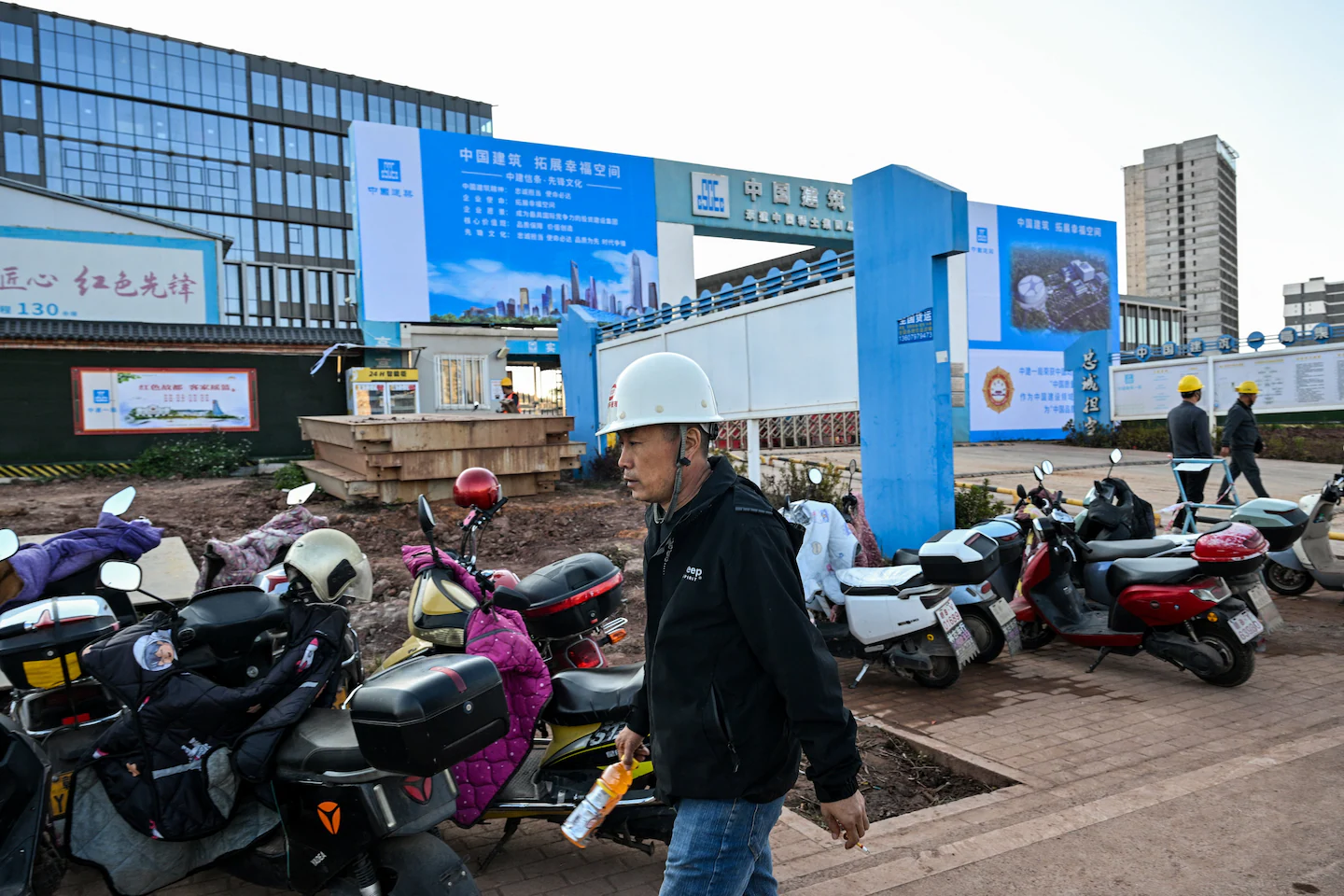
Ganzhou, a historic mineral hub in southern China, has again become strategically significant as tensions intensify between Washington and Beijing. Nearly a century after the Communist Party traded local tungsten to survive the civil war, the region’s resources now serve as a major instrument of geopolitical leverage. As the United States imposes tariffs under President Trump, China has responded with strict export controls on rare earths and critical minerals, positioning Ganzhou at the center of a renewed confrontation.

Beijing’s controls — especially on tungsten, a metal crucial for defense and manufacturing — have shaken global markets and doubled prices. Although Trump and Xi reached a temporary truce, analysts argue that Beijing’s restrictions remain largely in place and can be reinstated quickly. China’s overwhelming dominance in tungsten production, much of it extracted in and around Ganzhou, strengthens its bargaining power at a time when both powers see critical minerals as essential to national security.
A new Long March

Ganzhou’s symbolic role in Communist Party history adds emotional weight to China’s resource policy. The area served as a revolutionary base in the 1930s and the starting point of the iconic Long March. Xi Jinping has embraced this legacy, visiting Ganzhou in 2019 to link the trade war with the party’s earlier struggles for survival and resilience.

Local memorials emphasize the importance of tungsten in the party’s early finances, highlighting how vital natural resources were to the communist victory. This historical narrative reinforces Beijing’s belief that controlling mineral wealth is inseparable from safeguarding national strength. Residents often echo this idea, noting that China appears passive in stable times but displays overwhelming resolve when confronted with external pressure.
Left behind

Despite its strategic relevance, Ganzhou remains economically disadvantaged compared with neighboring urban centers. Efforts to consolidate China’s rare earth and tungsten industries, including the creation of the China Rare Earth Group, have boosted state control but not local prosperity. The region’s vast industrial park hosts hundreds of mineral-processing enterprises, yet many workers feel disconnected from the benefits.
Local voices express concern that prolonged geopolitical tensions could harm the industries that sustain the area. Some residents worry that strict export controls might weaken Ganzhou’s economic prospects, especially in a period of national slowdown. While the central government views Ganzhou as historically and strategically important, many inhabitants note that these industries have not translated into broad-based wealth.
Amid rising global competition, many people in the region still hope for improved U.S.–China relations and believe cooperation remains possible despite ongoing rivalry over critical minerals.

Reference
Northrop, K. (2025, December 4). In tungsten territory, China celebrates control of mineral the U.S. needs. The Washigton Post. https://www.washingtonpost.com/world/2025/12/02/us-china-tungsten-minerals-trade-war/