
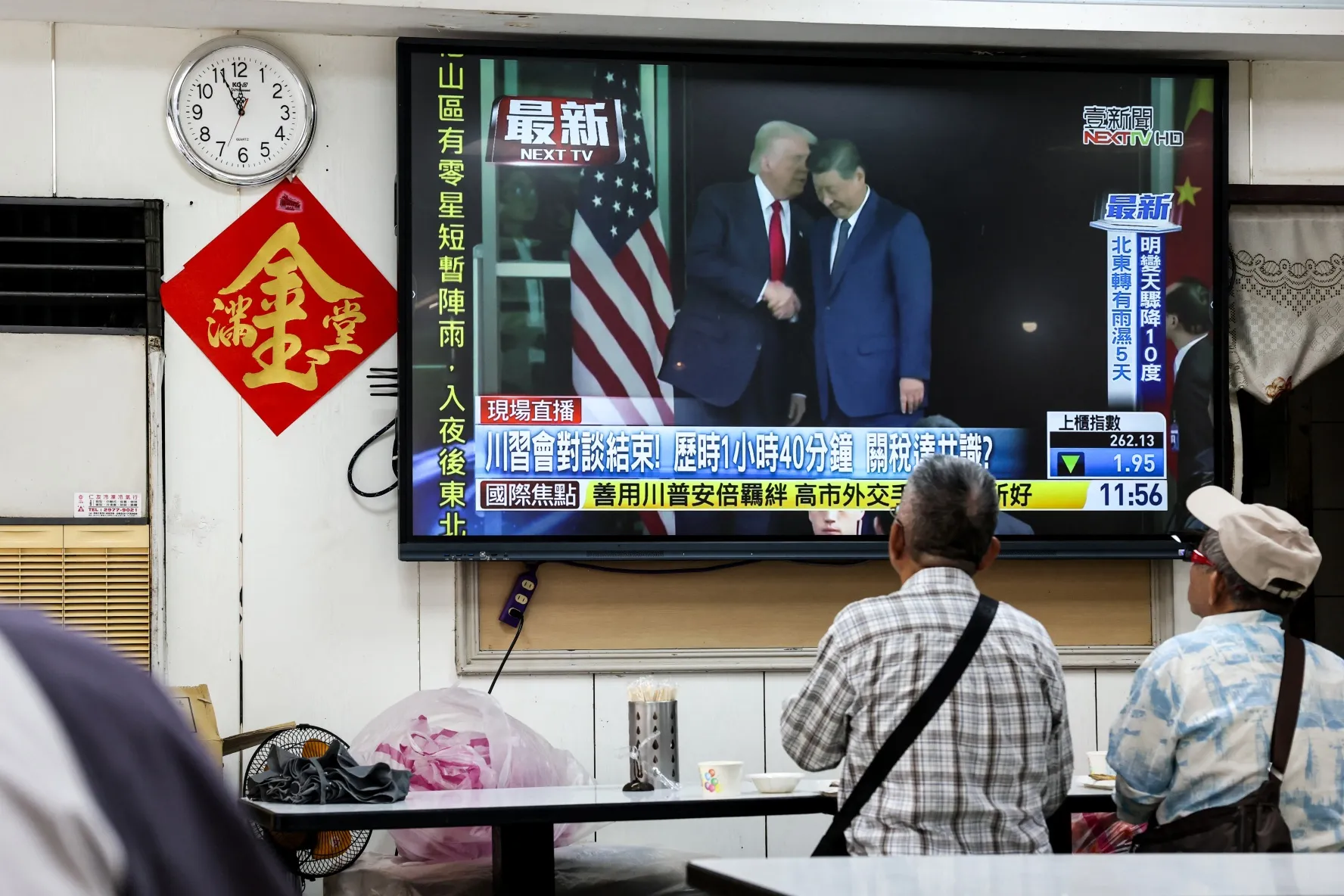
The Indo-Pacific region is currently facing a period of deep uncertainty. A recent analysis from the Brookings Institution, featuring experts from Asia and Oceania, explores the possibility of a “G2” model between Donald Trump and Xi Jinping. While Washington uses this rhetoric to suggest shared leadership, regional experts warn that the underlying reality remains highly competitive.
The report highlights that the summits scheduled for 2026 are merely a “tactical pause” rather than a fundamental shift in the long-term rivalry. For Indo-Pacific nations, the concern is clear because President Trump’s transactional approach prioritizes direct deals and raw power. Consequently, this shift could weaken the multilateral institutions that have maintained regional stability for decades.
Furthermore, the battle for leadership in Artificial Intelligence and supply chain resilience remains the core of the conflict. While China expands its influence through global initiatives, U.S. allies like Japan and South Korea face tough choices. The “America First” policy forces these nations to recalibrate both their security and their economies to avoid being caught in the crossfire.
Ultimately, the prevailing view in the Indo-Pacific is one of pragmatic skepticism. Although dialogue reduces the risk of immediate conflict, the systemic rivalry stays intact. The region’s future now depends on how middle powers maintain their autonomy against the interests of these two competing superpowers.
Reference
Lee, J., Raditio, K. H., Aoyama, R., Bing, N. C., Gloria, E. V., Chung, J. H., Ho, S., Chen, Y. J., & Le Thu, H. (2026, March 13). Indo-Pacific perspectives on the prospect of a US-China G2. Brookings Institution. https://www.brookings.edu/articles/indo-pacific-perspectives-on-the-prospect-of-a-us-china-g2/