
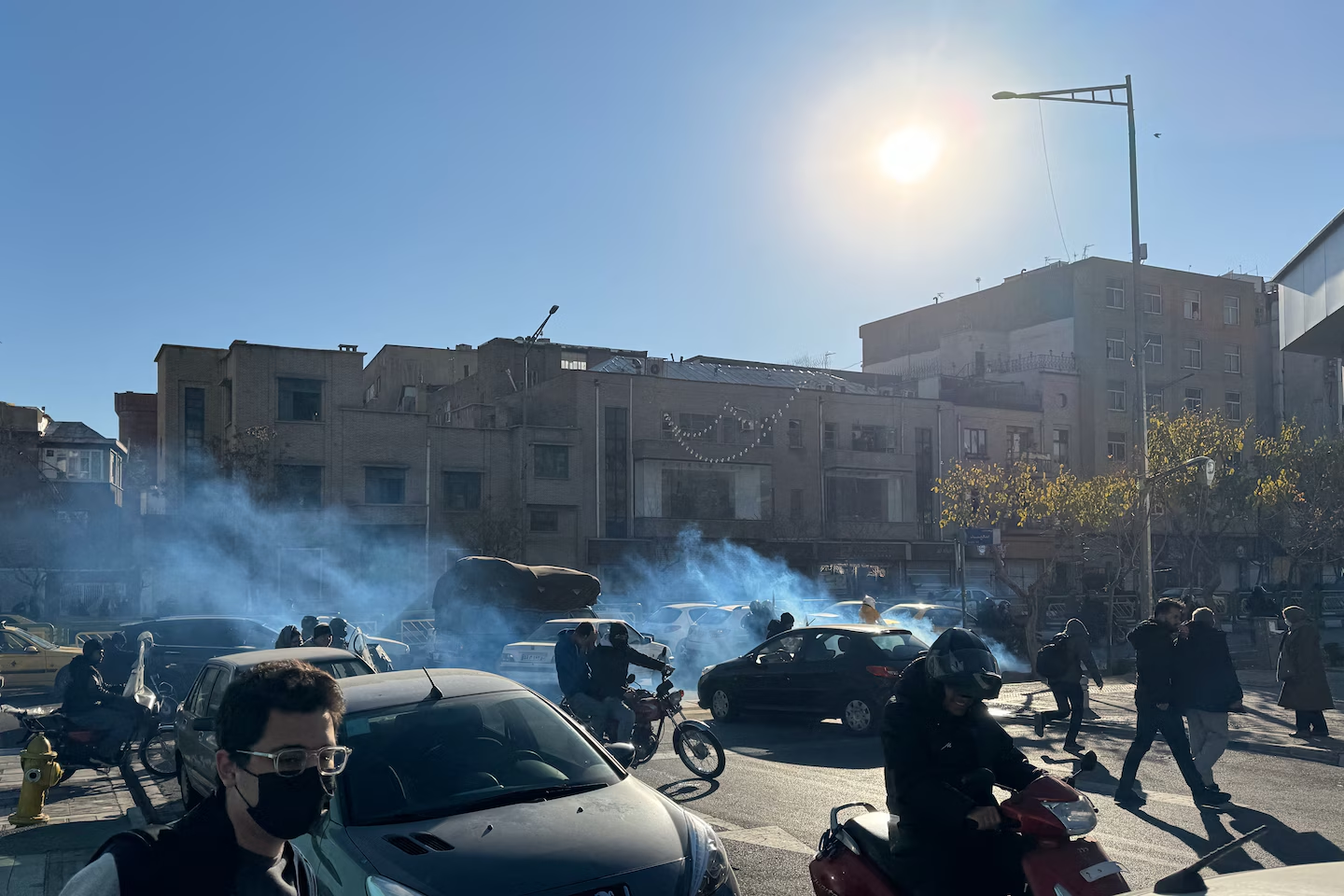
Protests that began over economic hardship in Iran have rapidly escalated into a broader challenge to the country’s political system. Turning deadly as security forces confronted demonstrators across multiple cities. Human rights organizations report that at least six to ten protesters have been killed in recent days, including a teenager. Iranian authorities have acknowledged only a single death and dispute the circumstances surrounding it.
A focal point of controversy has been the death of Amirhesam Khodayarifard in Lorestan province. While officials claim he was a member of the Basij militia killed while suppressing unrest, rights groups and family members insist he was a protester. Reports describe intense pressure on his family to accept the official narrative. This included attempts to stage a state-sponsored funeral that was disrupted by crowds reclaiming his body. Similar disputes surround other reported deaths, with state-affiliated media portraying victims as rioters or attributing fatalities to unrelated violence. Meanwhile rights groups allege direct shootings by security forces.
The unrest has drawn sharp international attention after President Donald Trump warned on social media that the United States would “come to the rescue” if Iran continued to kill peaceful protesters, prompting an immediate rebuke from Tehran. Iranian officials warned that U.S. interference would destabilize the region and harm American interests. The White House offered no clarification on what support Trump meant.
Protest escalation
Evidence from videos circulating online shows security forces firing toward demonstrators. Echoing patterns seen in previous protest crackdowns, including the deadly responses in 2019 and 2022 documented by Amnesty International and a U.N. fact-finding mission. Journalists face difficulties verifying events independently, as families of victims are often pressured into silence by authorities.
The demonstrations began with shopkeepers and small business owners hit hard by the rapid depreciation of the Iranian rial. But the movement quickly spread to Tehran and other cities, drawing in students and broader segments of society. Protest chants captured on video suggest demands that go beyond economic relief, including calls for systemic change and even praise for Iran’s deposed monarchy. This hard-line response contrasts with the conciliatory rhetoric of President Masoud Pezeshkian. He has publicly acknowledged that protesters’ grievances are legitimate, underscoring the growing gap between official statements and realities on the streets.
Reference
Diamond, D. (2026, January 2). Iran protests sparked by failing economy turn deadly. The Washington Post. https://www.washingtonpost.com/world/2026/01/02/iran-protests-violence/