
The Sudden Paralysis of East African Trade Routes
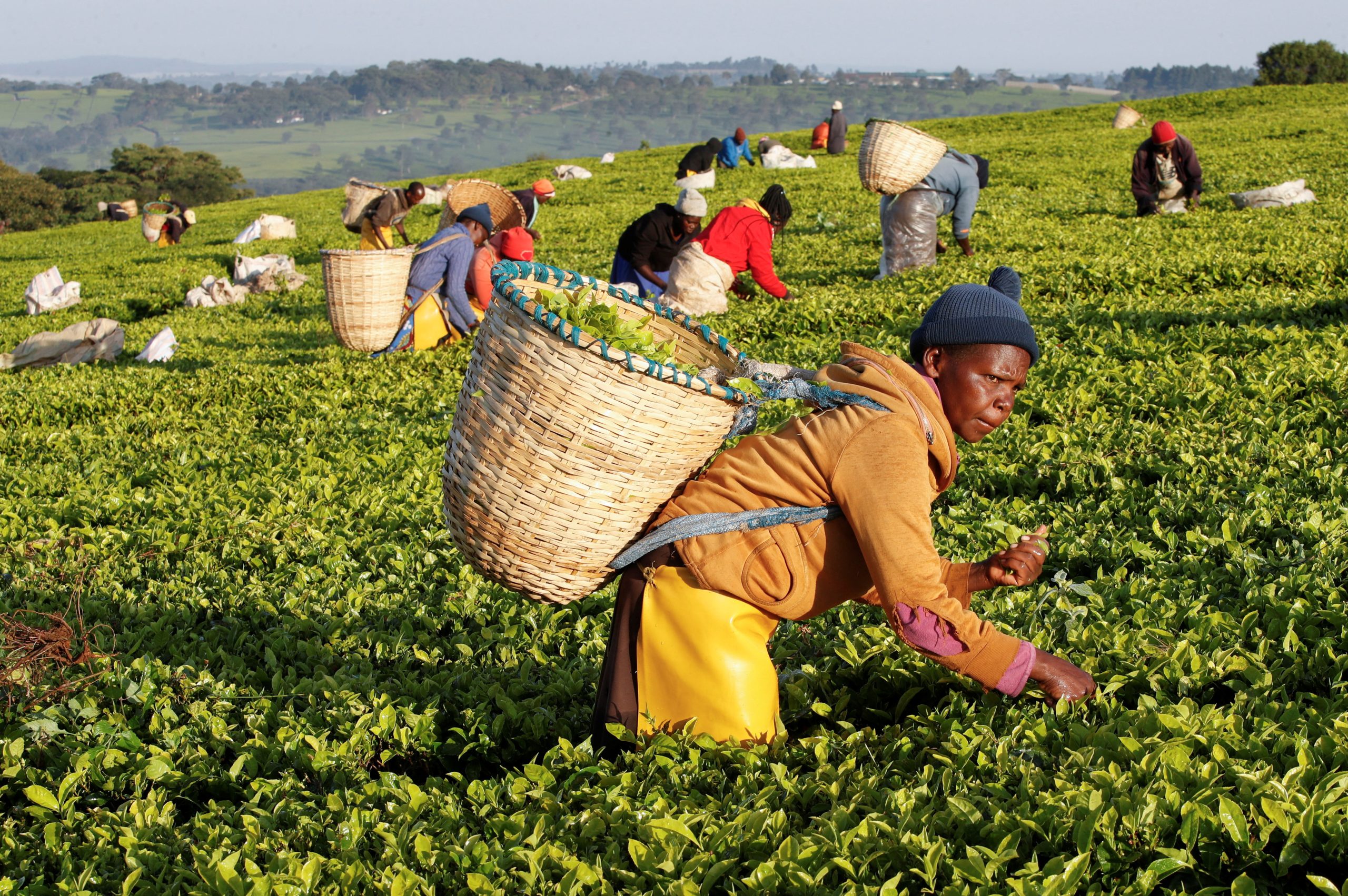
In April 2026, Kenya’s tea industry—the backbone of its agrarian economy—entered a state of systemic crisis as a direct result of the naval blockade in the Strait of Hormuz. Because Iran and its neighbors (including Pakistan) account for nearly 65% of the Mombasa tea auction’s market share, the closure of maritime chokepoints has left over 8 million kilograms of tea rotting in warehouses. Consequently, Kenyan farmers are facing a total loss of income, with the industry losing an estimated $8 million per week. This crisis suggests that the “economic battlefield” of the Iran war extends far beyond the Middle East, reaching deep into the rural highlands of East Africa and threatening the food security of millions of small-scale producers.
Origins and the Collapse of the “Nairobi-Tehran” Trade Corridor
Originally, Kenya had spent years cultivating a specialized trade relationship with Iran, culminating in a Ksh 5.6 billion ($42M USD) agreement designed to bypass Western financial intermediaries. However, the origin of the current collapse lies in the February 2026 escalation, which saw the U.S. and Israel target Iranian infrastructure, leading to the immediate suspension of credit lines and insurance coverage for shipments to the region. As the war intensified, shipping companies began avoiding the Red Sea and the Gulf of Oman entirely due to soaring insurance premiums and the risk of missile strikes. Furthermore, the report emphasizes that the “Strategic Partnership” Kenya envisioned with Iran has now become a liability, as the Kenyan Shilling faces devaluation due to the sudden evaporation of export revenues.
Structure of the Logistics Bottleneck and Supply Chain Decay
The structure of this agricultural crisis is organized around three primary failures: logistics, finance, and quality. Specifically, the redirection of vessels around the Cape of Good Hope has added weeks to delivery times, which—for a perishable product like tea—results in a significant decline in quality and market value. Moreover, the article highlights the “financial blockage” where Kenyan banks, fearing U.S. secondary sanctions, have frozen transactions related to Persian Gulf buyers. This structured isolation has forced the East Africa Tea Traders Association (EATTA) to consider a total halt of the Mombasa auction, as unsold stocks continue to pile up at the port. The resulting “supply glut” in Kenya has caused domestic tea prices to crater, pushing small-scale farmers into a cycle of debt and poverty.
Synthesis of Commodity Vulnerability and the Future of South-South Trade
The successful survival of Kenya’s tea sector now faces a paradox where the more the government attempts to stay “neutral” in the U.S.-Iran conflict, the more it is punished by the resulting global market distortions. This objective is essential to understand because it signals the inherent weakness of South-South trade when it lacks independent maritime security or alternative financial rails (such as a non-dollar payment system). Simultaneously, there is a mounting humanitarian concern as millions of Kenyans who depend on the tea value chain—from pluckers to packagers—risk losing their livelihoods. Ultimately, the Al Jazeera report provides a stable warning for the future: in a globalized war, “neutrality” does not provide economic immunity, and the “collateral damage” of a Middle Eastern conflict can manifest as a famine in East Africa.
Reference
Al Jazeera. (2026, April 1). Kenya’s tea industry suffers crisis caused by the US-Israeli war on Iran. Al Jazeera NewsFeed. https://www.aljazeera.com/video/newsfeed/2026/4/1/kenyas-tea-industry-suffers-crisis-caused-by-the-us-israeli-war-on-iran