
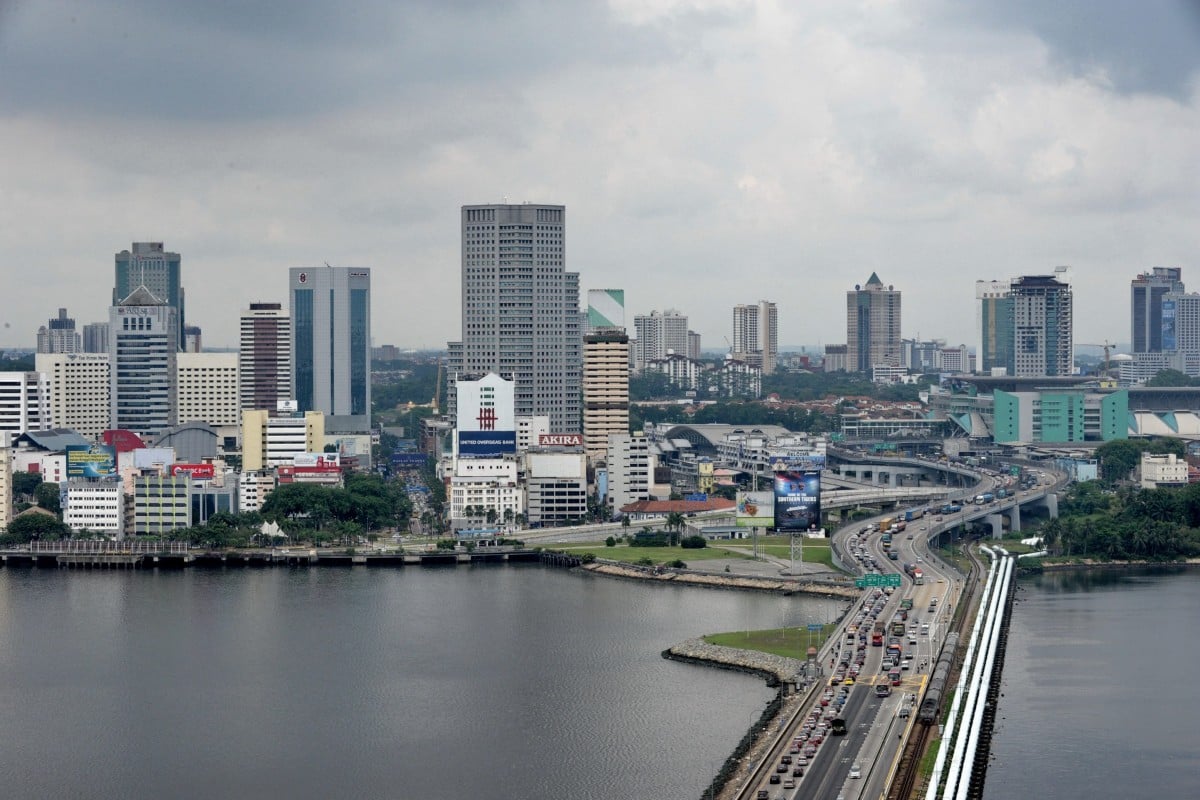
Malaysia and Singapore signaled a shift toward cooperation after decades of tensions over water supply. Kuala Lumpur announced it is open to Singapore’s proposal for jointly developing water infrastructure in southern Johor. The move comes amid worsening water shortages in Johor, driven by climate change, pollution, sand mining, and rapidly expanding data-center demand. Because Singapore sources roughly 40% of its water from Johor, any disruption in the Malaysian state directly affects both populations.

Prime Minister Anwar Ibrahim acknowledged that previous pricing disputes under the 1962 Water Agreement had been politically charged but emphasized that the issue is no longer contentious. Instead, both sides are prioritizing long-term investments to strengthen water capacity and reduce pollution in Johor’s supply chain. Singaporean Prime Minister Lawrence Wong highlighted the need for resilience, especially as large-scale data-center expansion is set to place massive new strain on Johor’s water resources.
Beyond water security, the two countries discussed improving connectivity, agreeing to study airspace optimization and enhance land transport options ahead of the 2026 launch of the Johor Bahru–Singapore Rapid Transit System. The overall tone from both leaders reflected a desire to move past old disputes and build cooperative solutions to shared regional challenges.

Reference
Sipalan, J.. (2025, December 4). Malaysia to weigh Singapore’s water project plan, Anwar says ‘no longer contentious’ issue. South China Morning Post. https://www.scmp.com/week-asia/economics/article/3335228/malaysia-weigh-singapores-water-project-plan-anwar-says-no-longer-contentious-issue?module=top_story&pgtype=section