
Origins of the Conflict
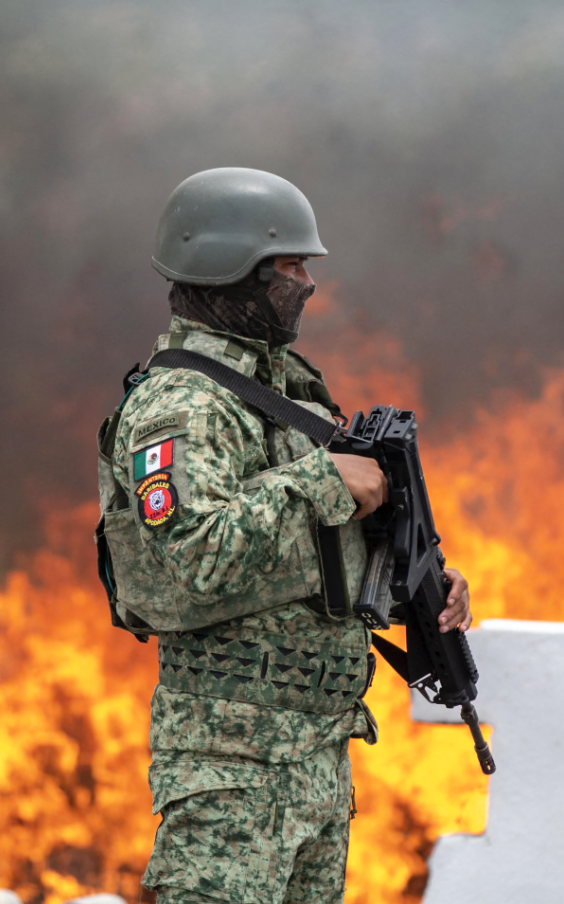
First, Mexico’s modern struggle with organized crime intensified in 2006 when the government launched a military campaign against powerful drug cartels.
Since then, violence has persisted with limited success in dismantling criminal networks.
Moreover, the conflict has produced more than 463,000 homicides and widespread insecurity affecting politicians, journalists, and civilians across the country.
Expansion of Cartel Power
Meanwhile, Mexican cartels became dominant suppliers of cocaine, heroin, methamphetamine, and fentanyl entering the United States.
Consequently, drug trafficking generates massive profits that fuel corruption, territorial battles, and violence across multiple regions.
Major Criminal Organizations
Currently, several powerful cartels operate across Mexico and internationally.
For instance, the Sinaloa Cartel and the Jalisco New Generation Cartel maintain extensive global networks and dominate much of the drug trade.
Additionally, other groups such as the Northeast Cartel and La Nueva Familia Michoacana participate in trafficking, kidnapping, and extortion.
Factors Behind Cartel Growth
Historically, cartels expanded through corruption, weak institutions, and political arrangements during decades of one-party rule.
At the same time, international developments shifted trafficking routes, allowing Mexican groups to replace Colombian organizations as major wholesalers of cocaine.
Drug Smuggling Methods
Furthermore, traffickers move drugs into the United States using multiple strategies.
These include hiding narcotics in vehicles or ships, transporting them through tunnels, and using drones or aircraft to bypass border security.
Government Strategic Against Cartels
Over time, Mexican governments have adopted different approaches to combat organized crime.
Initially, militarized crackdowns targeted cartel leaders; however, these strategies often fragmented groups and intensified violence.
Later administrations attempted alternatives focused on social programs, intelligence operations, and security reforms, though results remain mixed.
Human Rights and Social Consequences
Nevertheless, the conflict has generated severe human rights concerns.
Both cartels and security forces have been accused of torture, disappearances, and extrajudicial killings.
Meanwhile, more than 130,000 people have gone missing since 2006, deepening the humanitarian crisis.
U.S. – Mexico Security Cooperation
Finally, the United States has played a major role in supporting Mexico’s anti-drug efforts.
Through initiatives such as the Mérida Initiative, Washington has provided billions of dollars for military equipment, training, and institutional reforms.
However, tensions over strategy, migration, and cartel violence continue to shape bilateral cooperation.
Source:
Roy, D., & Council on Foreign Relations Editors. (2026, February 23). Mexico’s long war: Drugs, crime, and the cartels. Council on Foreign Relations. https://www.cfr.org/backgrounders/mexicos-long-war-drugs-crime-and-cartels