
Strategic Context
First, Russia seeks to expand its global influence while avoiding direct confrontation with the United States; therefore, Cuba becomes a low-cost geopolitical signal close to US territory.
Meanwhile, Cuba faces severe economic and energy shortages, increasing its dependence on external partners and making it receptive to Russian support.
Energy Diplomacy and Timing
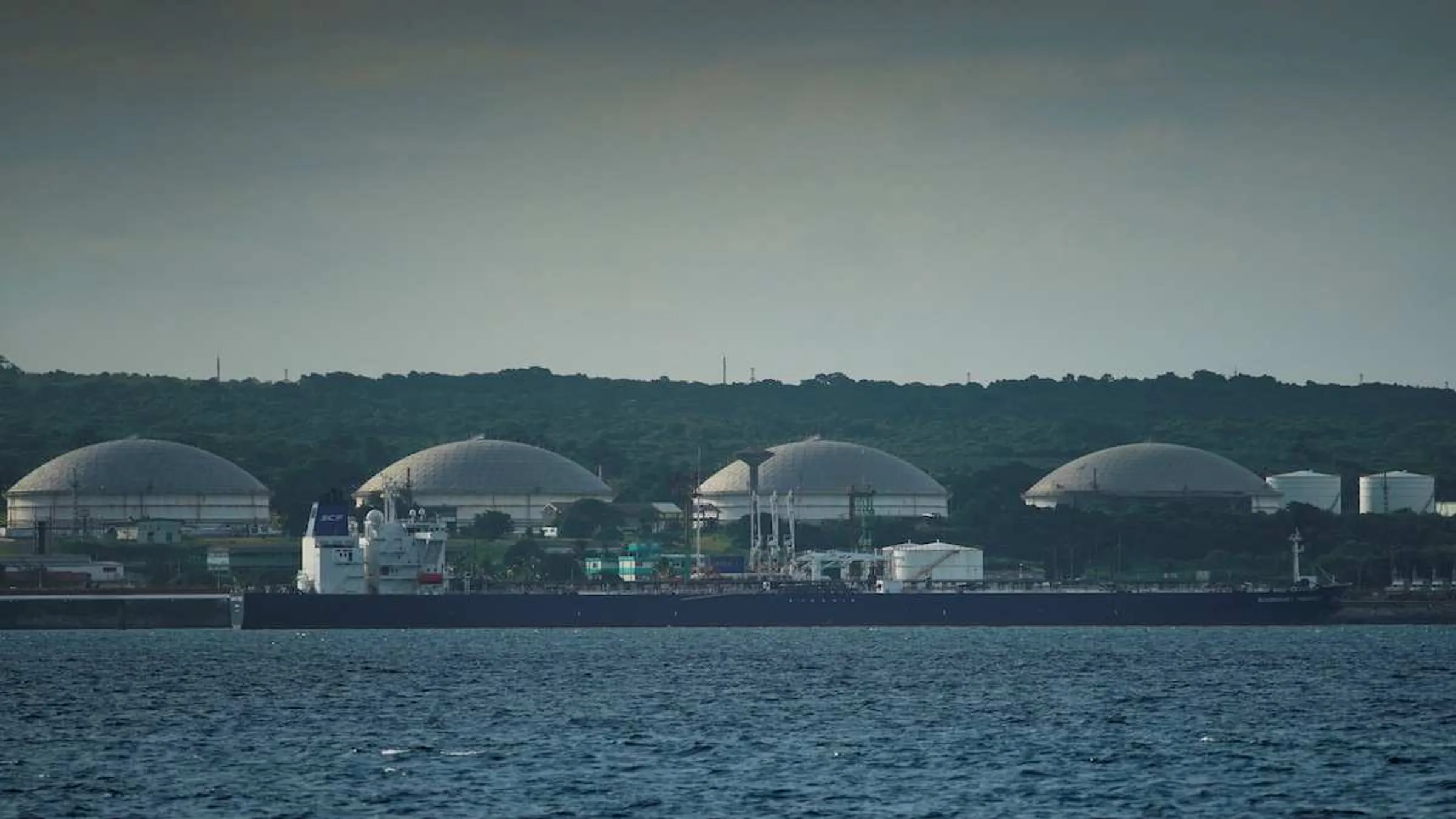
However, sending oil shipments to Cuba carries significant risks because it coincides with rising US pressure on the island and sensitive geopolitical timing.
At the same time, these deliveries represent Cuba’s first major energy relief in months, highlighting both urgency and strategic opportunity for Moscow.
A Calculated but Risky Move
On one hand, Russia gains symbolic leverage by projecting power into the Western Hemisphere without major military escalation.
On the other hand, this move could undermine recent sanctions relief and provoke unnecessary tensions with Washington.
Broader Geopolitical Logic
Furthermore, the strategy reflects a broader pattern in which Russia exploits asymmetric opportunities to challenge US influence indirectly rather than through direct conflict.
Similarly, positioning near the United States reinforces Moscow’s narrative that Western dominance can be contested even close to its core sphere.
Limits and Constraints
Nevertheless, Russia’s capacity to sustain support for distant allies like Cuba remains limited due to its ongoing commitments elsewhere, particularly in Ukraine.
Thus, the move appears more tactical than transformative, signaling intent rather than establishing long-term dominance.
Final Assessment
Ultimately, the gamble lies in balancing symbolic gains against strategic risks; therefore, success depends on avoiding escalation while still extracting geopolitical advantage.
Source:
GZERO Media. (s. f.). Putin’s gamble in Cuba. Recuperado el 20 de marzo de 2026, de https://www.gzeromedia.com/news/analysis/putins-gamble-in-cuba