
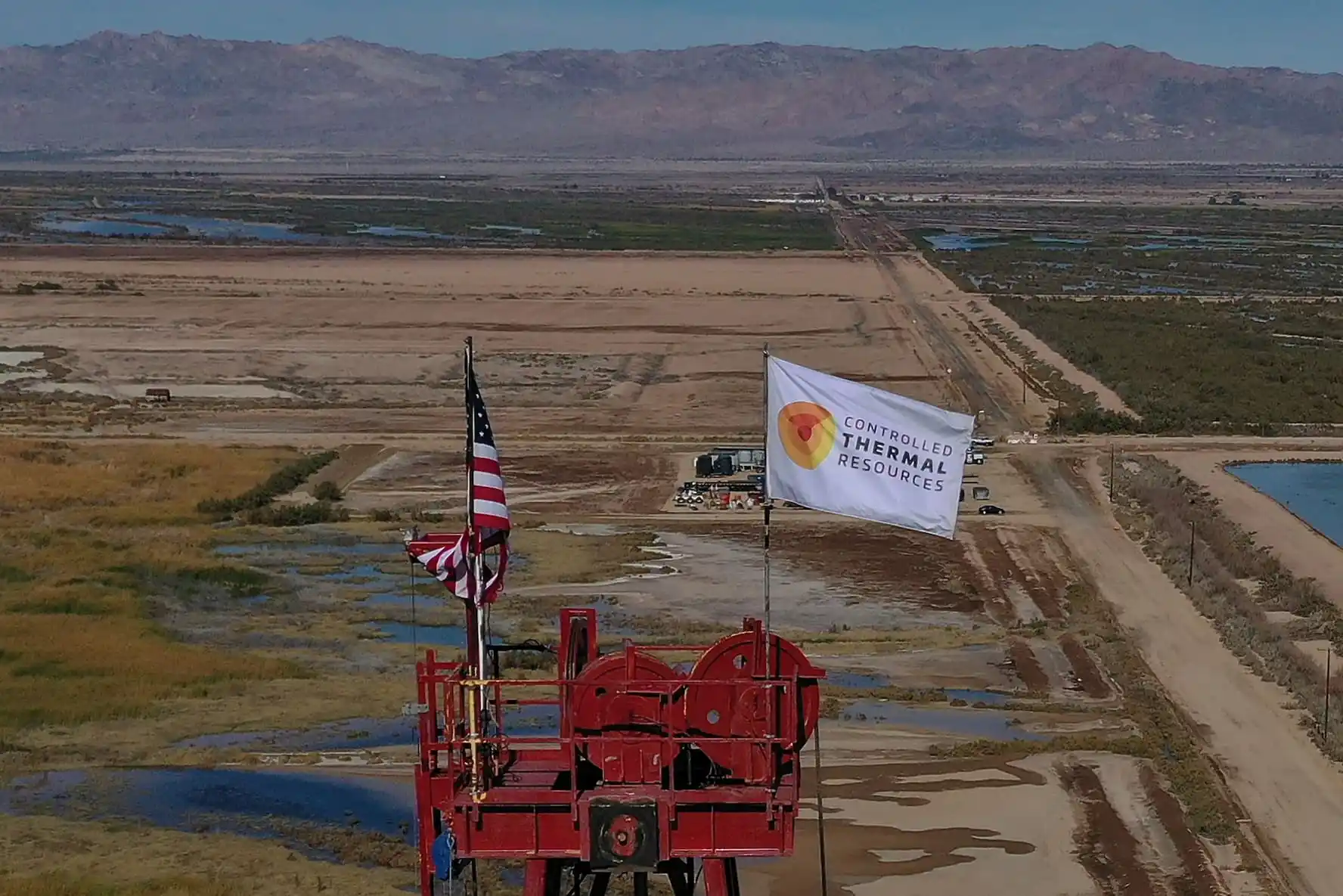
Emergence of Geothermal in U.S. Energy Policy
Initially, geothermal energy remained marginal within U.S. energy debates; however, during the 2020s it increasingly gained attention in federal and state policy discussions.
Bipartisan Support in a Polarized Energy Landscape
While American energy policy often divides along partisan lines, geothermal energy has attracted rare bipartisan support across competing political agendas.
Technological Innovation Driving Renewed Interest
Meanwhile, advances in drilling and hydraulic fracturing technologies have expanded geothermal possibilities, transforming it from a niche technology into a viable industrial energy source.
Fiscal Incentives Encouraging Development
At the same time, federal and state governments have introduced fiscal incentives that support geothermal investment and accelerate experimentation with new energy projects.
Reliability Compared With Other Renewables
Furthermore, geothermal energy offers continuous and stable power generation, providing a reliable complement to intermittent renewable sources such as wind and solar.
Potential Role in Emissions Reduction
Consequently, policymakers increasingly view geothermal as a tool for reducing carbon emissions while maintaining grid stability and energy security.
Regulatory and Environmental Challenges
Nevertheless, expanding geothermal deployment requires navigating complex permitting processes and addressing local environmental concerns surrounding drilling and land use.
Future Prospects for Expansion
Ultimately, geothermal’s long-term growth will depend on sustained political support, effective regulatory reform, and continued technological innovation.
Source:
Brookings Institution. (n.d.). The arrival of geothermal in American energy policy. Brookings. https://www.brookings.edu/articles/the-arrival-of-geothermal-in-american-energy-policy/