
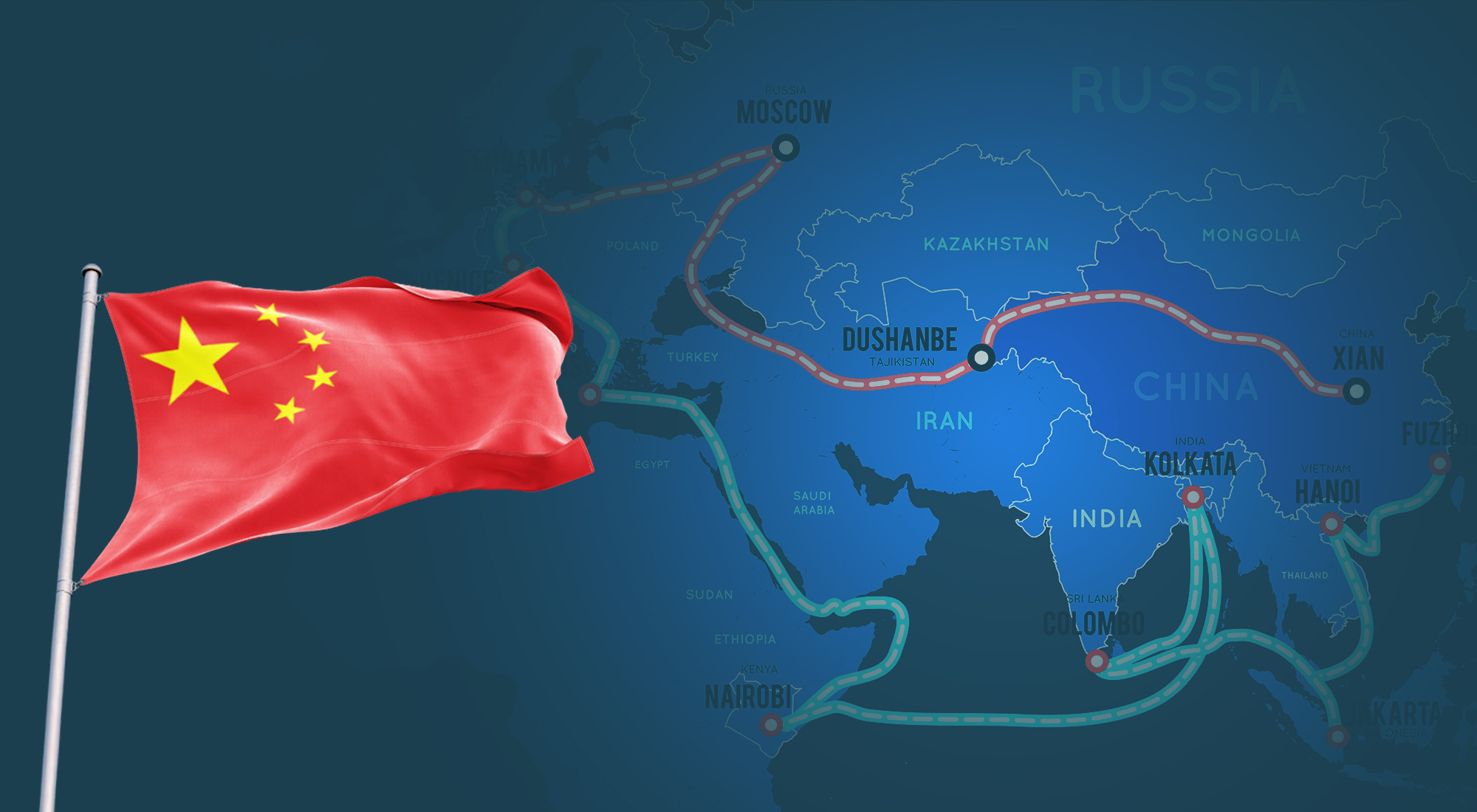
Redefining Global Economic Connectivity
The 2026 Article IV report provides a critical update on the Belt and Road Initiative (BRI), highlighting its transition toward a “high-quality” development phase. Following the geopolitical shifts of 2025, China has recalibrated its flagship international cooperation project to focus on smaller, more sustainable, and technologically advanced investments. Consequently, the BRI remains a cornerstone of China’s foreign policy, serving as a vital mechanism to diversify its trade routes and strengthen economic ties with the Global South in an era of increasing fragmentation.
Origins and the Strategic Pivot
Originally launched in 2013 as a massive infrastructure-driven project, the BRI faced significant challenges due to rising debt levels in partner countries and shifting global interest rates. However, by early 2026, the IMF notes that China has pivoted toward the “Green Silk Road” and the “Digital Silk Road,” prioritizing renewable energy and telecommunications infrastructure. Furthermore, this shift is a strategic response to trade barriers in Western markets, as China seeks to consolidate its presence in Southeast Asia, Central Asia, and Africa. This evolution reflects a move away from “trophy projects” toward investments that offer clear economic returns and strategic depth.
Structure of the New Financing and Debt Framework
The current phase of the BRI is organized around more rigorous debt sustainability assessments and multilateral cooperation. Specifically, China has introduced new “Green Investment Principles” to ensure that projects align with international environmental standards and host-country climate goals. Moreover, the report highlights the increased use of “Renminbi (RMB) settlement” for BRI projects, which aims to reduce exchange rate risks and promote the internationalization of the Chinese currency. This structured approach to financing is intended to mitigate criticisms of “debt-trap diplomacy” while maintaining China’s role as a leading global creditor.
Innovation and the Digital Silk Road
In contrast to traditional transport corridors, the 2026 BRI strategy places heavy emphasis on digital connectivity and “soft infrastructure.” For instance, the deployment of 5G networks and e-commerce platforms across BRI partner nations has created a digital synergy that facilitates Chinese high-tech exports. Therefore, the IMF suggests that these digital corridors are becoming just as important as physical ports and railways for China’s economic security. This innovation allows China to establish its own technological standards in emerging markets, creating long-term dependencies that are resistant to Western sanctions.
Synthesis of Regional Stability and Future Synergy
The successful future of the BRI relies on its ability to foster genuine regional integration and shared prosperity. This objective is closely linked to the “Global Development Initiative” (GDI), which seeks to align BRI projects with the United Nations Sustainable Development Goals. Simultaneously, there is a clear intent to use the BRI as a buffer against geopolitical shocks by creating a more resilient and diversified global supply chain. Ultimately, the 2026 roadmap for the BRI demonstrates China’s intent to remain a global leader in infrastructure and technology, providing a stable—albeit evolving—framework for international cooperation in a multipolar world.
Source
International Monetary Fund. (2026, February). People’s Republic of China: 2025 Article IV Consultation-Press Release; Staff Report; and Statement by the Executive Director (IMF Country Report No. 26/44).