
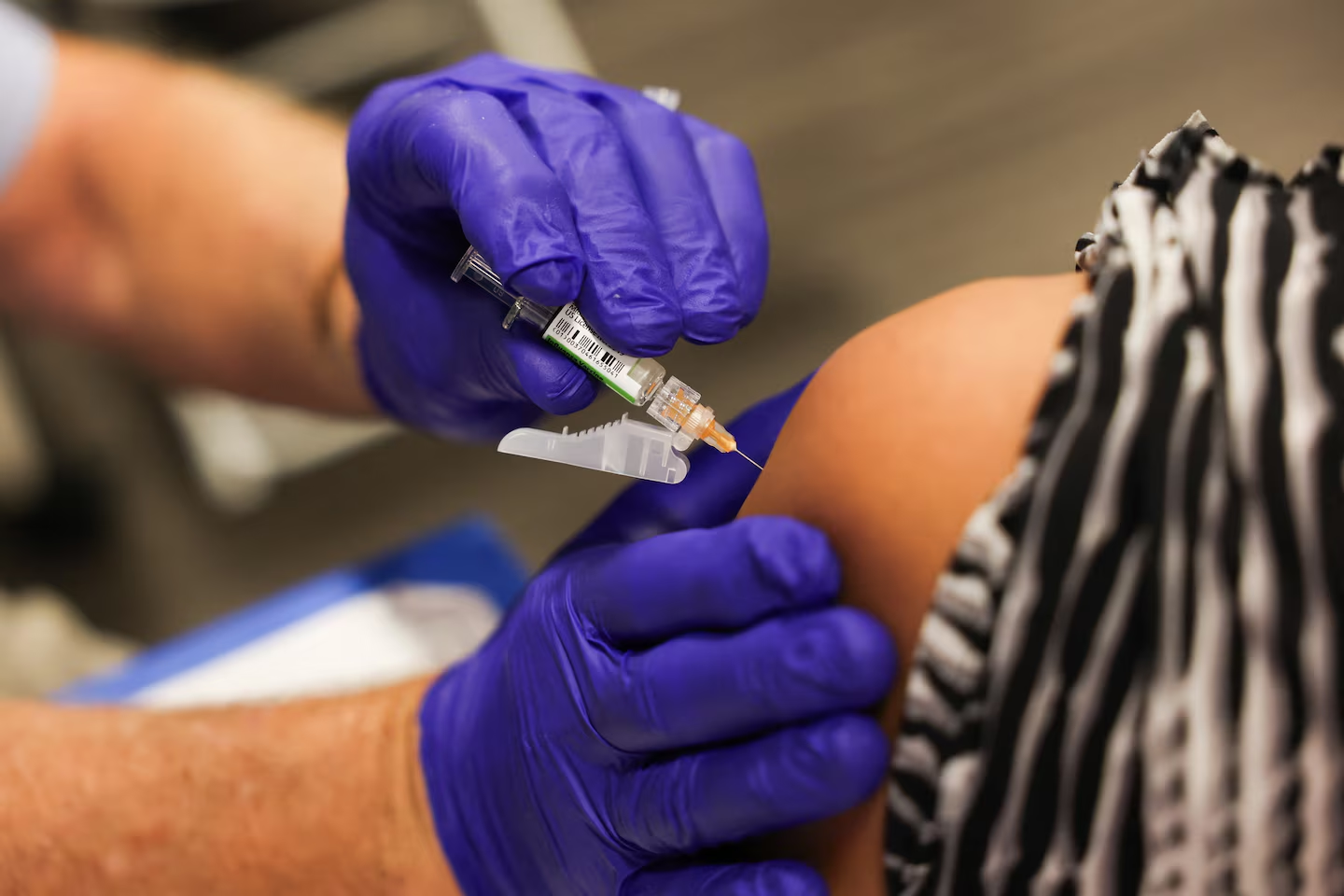
Vaccines don’t just shield you from specific infectious diseases or help make symptoms less severe if you get sick but can also prevent common chronic illnesses, including some cancers, according to public health experts.
“We now have a more full understanding of how these vaccines go beyond just protecting us against the disease that they helped prevent.” Said Richard Martinello, chief medical officer and infectious diseases physician at Yale School of Medicine.
In addition to cancer, a growing body of research has shown that vaccines can reduce the risk of developing dementia and heart conditions. Vaccines can also help people with existing chronic conditions avoid getting sicker.
HPV
HPV immunization stands out as one of the clearest examples of long-term disease prevention. The virus is responsible for most cervical cancers and several other malignancies, and widespread vaccination over the past two decades has sharply reduced infections, precancerous lesions, and cancer rates. Experts recommend the vaccine for everyone ages 9 to 26, with the strongest benefits seen when given earlier in life.
Shingles
Protection against shingles extends far beyond preventing a painful rash. Large population studies show a correlation between the shingles vaccine and lower risks of dementia and cardiovascular events, including stroke and heart failure. The CDC advises two doses for adults 50 and older, as well as certain younger adults with weakened immune systems.
Hepatitis B
Hepatitis B remains a leading cause of chronic liver disease and cancer. Early-life vaccination has been the cornerstone of prevention for more than 30 years, with newborn shots ensuring widespread immunity and protecting against complications that can emerge decades later. “In vaccinating newborns, that has been the most effective way to ensure everyone’s vaccinated,” Martinello noted. Anyone not immunized in childhood is encouraged to receive the vaccine in adolescence or adulthood.
Flu, coronavirus and RSV
Respiratory virus vaccines play a crucial role in preventing severe illness. Especially for people with chronic health conditions who face greater risks from infections like influenza, covid-19, and RSV. Annual flu shots remain essential, coronavirus vaccines continue to reduce rates of heart attacks and strokes after infection, and RSV immunization is recommended for babies, pregnant women, older adults, and individuals with specific health vulnerabilities.
Bacterial Vaccines
Vaccines targeting bacteria such as those causing meningitis and pneumonia help prevent life-altering complications ranging from cognitive impairment to organ damage and sepsis. Early and routine immunization remains one of the strongest defenses against these dangerous infections. A good example of this is meningococcal vaccines for adolescents, pneumococcal vaccines for young children and older adults, and Hib vaccines for infants.
Across all categories, experts emphasize that the benefits of vaccines reach far beyond immediate disease prevention, offering long-term protection against chronic conditions and supporting the health of entire communities
Reference
Chiu, A. (2025, November 29). The common vaccines that can prevent chronic disease or some cancers. The Washington Post. https://www.washingtonpost.com/health/2025/11/29/vaccines-chronic-disease-prevent-cancer/