
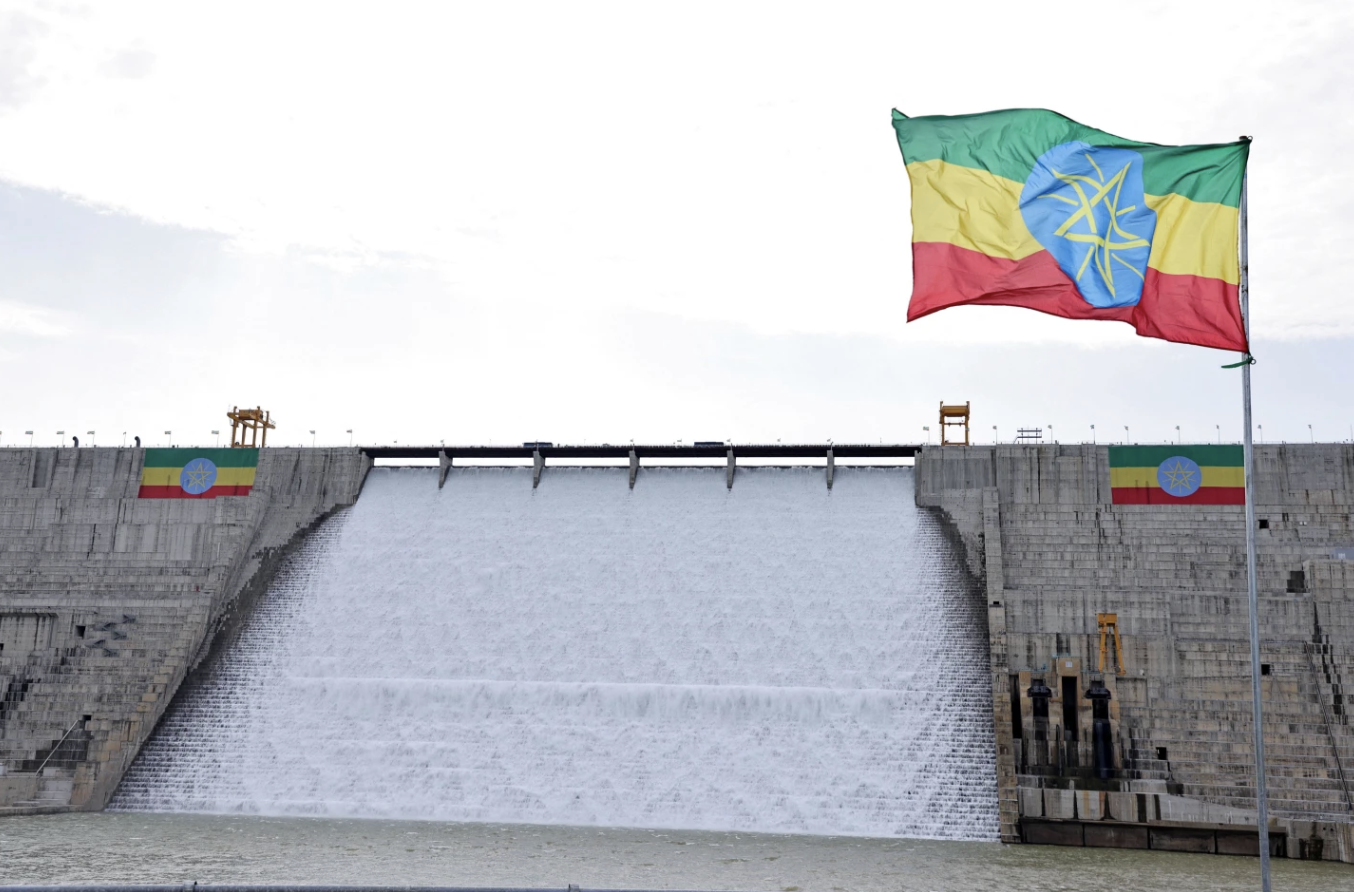
The Grand Ethiopian Renaissance Dam (GERD) has become one of the most sensitive geopolitical disputes in Africa, reshaping relations between Ethiopia, Egypt, and Sudan. Built on the Blue Nile, the dam represents Ethiopia’s ambition to secure energy independence and accelerate national development. At the same time, Egypt sees the project as a direct threat to its water supply, which is essential for its population, agriculture, and economic survival.
The absence of a binding agreement on how the dam will be filled and operated has intensified mistrust between the countries. Egypt fears that reduced water flows could destabilize its economy and deepen existing vulnerabilities, while Ethiopia insists on its sovereign right to use its natural resources. Sudan, positioned between both nations, faces both potential benefits, such as flood control and electricity, and serious risks tied to water management uncertainty.
Increased global attention has further complicated the situation. International actors can play a constructive role by encouraging dialogue and technical cooperation, yet their involvement may also be viewed with suspicion or interpreted as politically motivated. This can make compromise more difficult, especially in a dispute shaped by history, inequality, and competing national priorities.
Ultimately, the GERD represents more than a disagreement over infrastructure. It highlights the broader challenge of balancing development, environmental limits, and regional interdependence. The outcome will influence not only water access, but also political stability and the future of cooperation in one of the world’s most strategically important river systems.
Reference: Council on Foreign Relations. (2026). The danger of renewed U.S. interest in the GERD. Council on Foreign Relations. https://www.cfr.org/articles/the-danger-of-renewed-u-s-interest-in-the-gerd