
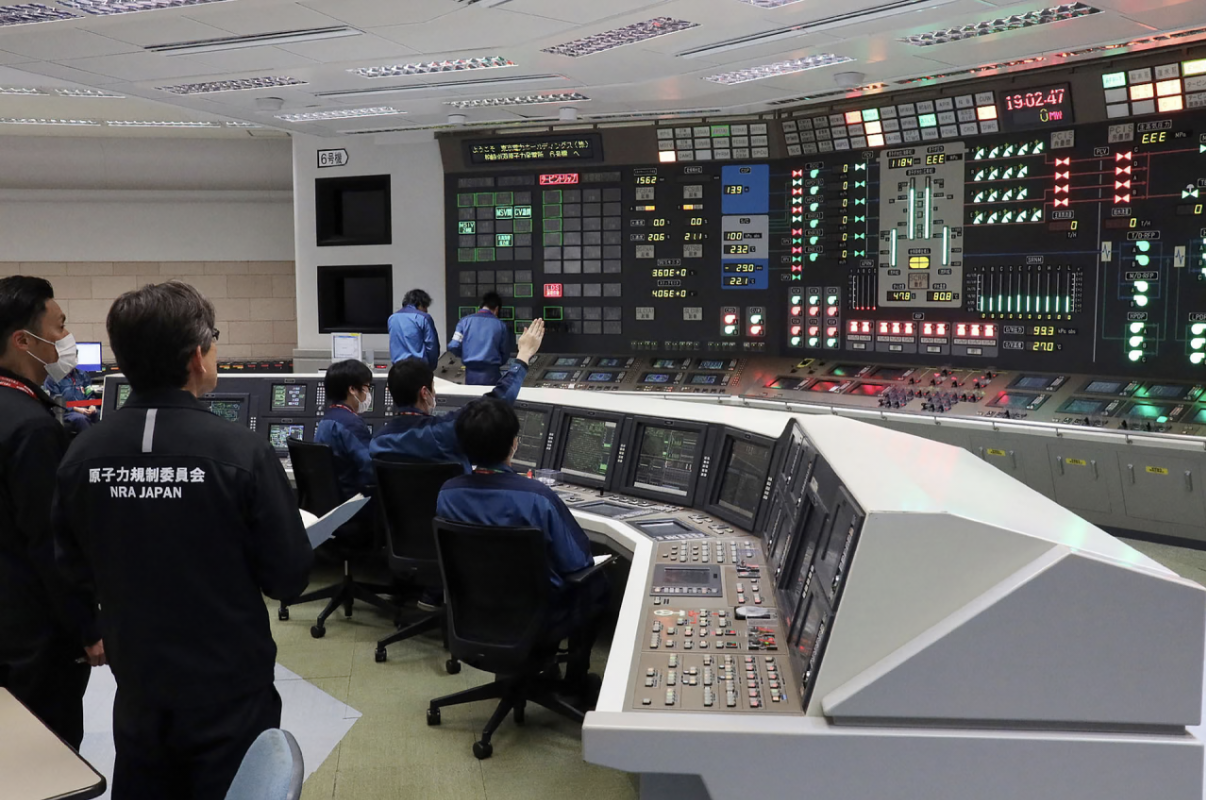
The Transition from Extended Deterrence to Strategic Autonomy
By early 2026, the geopolitical landscape in Asia has been fundamentally altered by the Iran war and the perceived overextension of U.S. military resources. Consequently, U.S. allies—specifically South Korea and Japan—are shifting from a reliance on the U.S. “nuclear umbrella” toward a doctrine of strategic autonomy. This transition is not merely about defense; it is a holistic move where nuclear energy is pursued as a “dual-purpose” foundation for both economic survival and potential military breakout capability. This suggests that the 20th-century non-proliferation norms are failing to address the 21st-century reality of a multipolar, resource-scarce world.
Origins and the “Triple Threat” of 2026
Originally, Asian allies were content with a “Low-Nuclear” profile, focusing on renewables and American security guarantees. However, the origin of the current “Nuclear Chase” lies in a triple threat:
- The Credibility Gap: Doubts about whether the U.S. would “trade San Francisco for Seoul” in a conflict with North Korea or China.
- Energy Insecurity: The blockade of the Strait of Hormuz during the Iran conflict has made energy-poor nations like Japan realize that fossil fuel dependency is an existential vulnerability.
- The “Sovereign AI” Compute Demand: The massive energy requirements for national AI stacks (Article #78) have made stable, high-density nuclear power a prerequisite for technological sovereignty. Furthermore, the report emphasizes that for South Korea, public support for a domestic nuclear weapons program has surpassed 70%, making “nuclearization” a potent domestic political tool.
The Structure of “Nuclear Hedging” and Proliferation Risks
The structure of this new policy is organized around “Nuclear Hedging”—the development of a sophisticated civilian nuclear fuel cycle that provides the technical “breakout” capability to produce a weapon within months if necessary. Specifically, Japan’s massive plutonium stockpiles and South Korea’s push for nuclear-powered submarines are seen as structured preparations for a post-U.S. security environment. Moreover, the article highlights the “Institutional Friction” within the International Atomic Energy Agency (IAEA), which is struggling to monitor civilian programs that are increasingly integrated with national security bureaucracies. This creates a dangerous ambiguity where “peaceful” energy projects serve as a silent deterrent against regional rivals.
Synthesis of the “Energy-Security” Nexus and the Future of NPT
The successful maintenance of regional stability now faces a paradox: the pursuit of nuclear energy for “green” and “secure” power may inadvertently trigger a regional nuclear arms race. This objective is essential to understand because it signals the potential collapse of the Non-Proliferation Treaty (NPT) framework in Asia. Simultaneously, there is a clear intent among U.S. policymakers to offer “Nuclear Sharing” agreements (similar to NATO) to prevent allies from developing their own independent arsenals. Ultimately, the CFR report provides a stable warning: if the U.S. cannot restore the credibility of its alliance commitments while solving the energy crisis, the “Nuclearization of Asia” will become an irreversible fact of the new world order.
Reference
Council on Foreign Relations. (2026, April 3). Why U.S. allies in Asia are chasing nuclear energy and eyeing nuclear weapons. CFR World Analysis. https://www.cfr.org/articles/why-u-s-allies-in-asia-are-chasing-nuclear-energy-and-eyeing-nuclear-weapons