
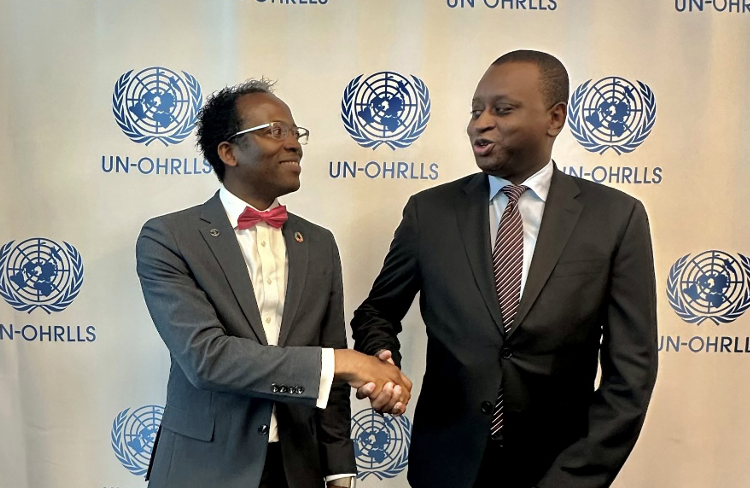
Legacy of Support for Vulnerable Countries
Since its founding, the U.N. has maintained relevance for 193 nations and remained focused on protecting the most vulnerable during conflict and humanitarian crises.
It has provided platforms for negotiation, peacekeeping, and development responses, especially for least developed and fragile states.
Tailored Approaches and Adaptation
Rather than one-size-fits-all solutions, tailored programs address unique country groups’ needs. Programs include action plans for least developed, landlocked, and small island developing states, each aligned with their realities and strategic goals.
Partnerships and Multi-Stakeholder Engagement
To strengthen vulnerable states, partnerships span U.N. institutions, multilateral banks, think tanks, and private sector collaborators. These links help tailor strategies and amplify voices otherwise drowned in global dialogues.
Innovation and Capacity Building
New initiatives include investment facilities to mobilize private capital and data hubs that leverage technology and artificial intelligence.
These modern tools aim to increase competitiveness and resilience in small states and fragile economies.
Multilateral Platform and Convening Power
The U.N. remains an essential space for strategic cooperation, enabling leaders to form partnerships and mobilize resources.
This convening power supports national priorities while advancing global public goods like peace, stability and development.
Key Events and Strategic Priorities
Several significant activities are underway; ministerial meeting monitoring programs implementation, launching a center of excellence for small island states, and specialized forums.
These gatherings seek to deepen engagement, track progress, and reflect on U.N. reforms aligned with vulnerable states’ needs.
Inclusive Financing and Resource Allocation
Efforts focus on influencing the global financing architecture to be more accessible and inclusive for struggling states.
The Multidimensional Vulnerability Index is proposed to better target resources based on countries’ unique challenges.
Looking Forward – Continued Adaptation
The U.N.’s role in the evolving global landscape hinges on adaptability, partnerships, and amplified support for its most vulnerable members.
This continued evolution aims to uphold the principle of leaving no one behind amid shifting geopolitical and economic realities.
Source:
Brookings Institution. (2026). The United Nations at 80: Adapting to support the world’s most vulnerable states. Brookings Institution. https://www.brookings.edu/articles/the-united-nations-at-80-adapting-to-support-the-worlds-most-vulnerable-states/