
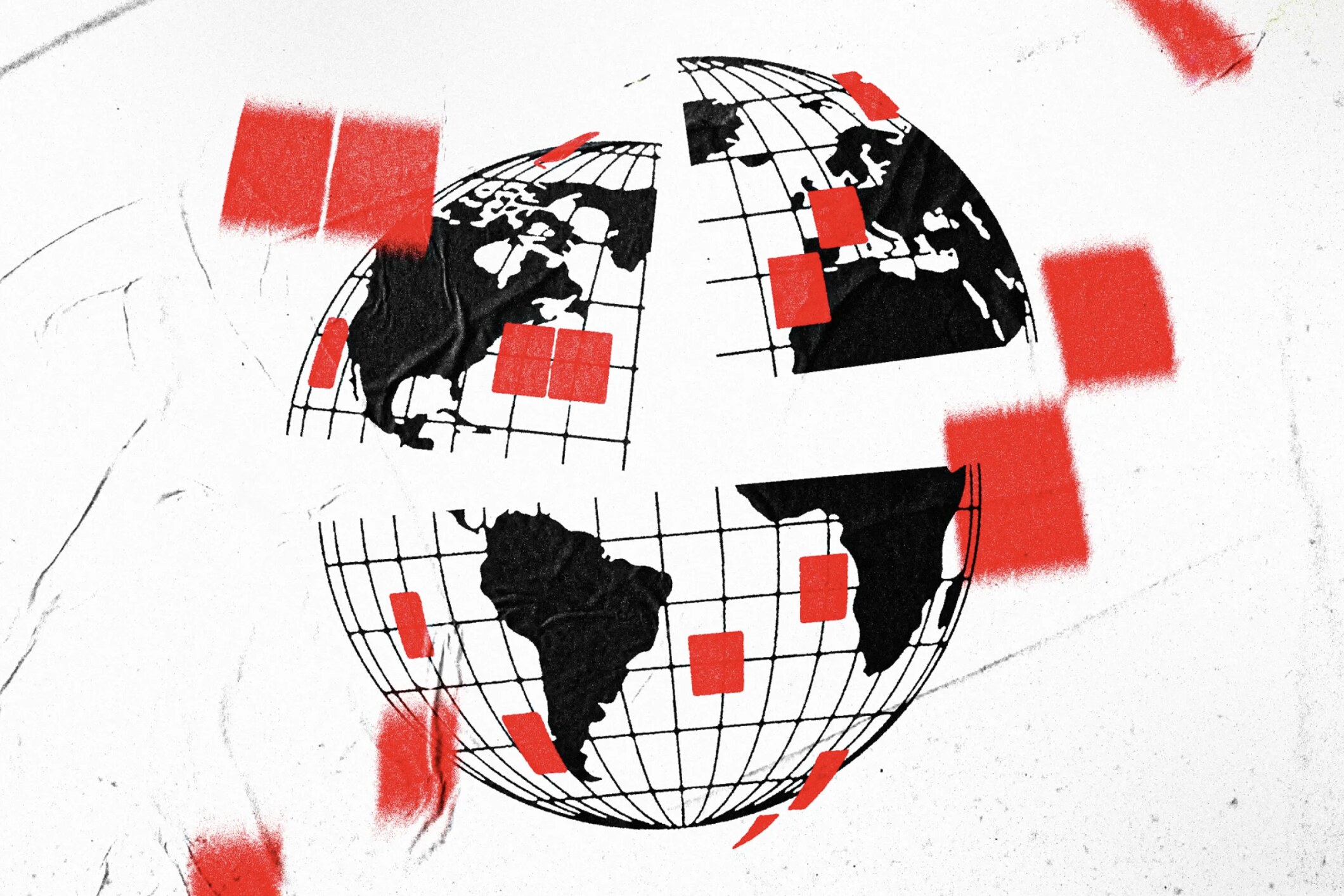
How to Build a New Global Order Before It’s Too Late
Alexander Stubb | Foreign Affairs, January/February 2026
In The West’s Last Chance, Alexander Stubb argues that Western democracies face a narrowing window to renew global leadership. The liberal order is not collapsing overnight; however, it is under sustained pressure from geopolitical rivalry, internal fragmentation, and institutional fatigue.
A Fragmented West in a Competitive World
Stubb explains that Western influence has weakened due to political polarization, inconsistent foreign policy commitments, and reduced economic dynamism. At the same time, authoritarian powers have grown more coordinated and assertive.
Moreover, strategic drift within transatlantic alliances has created uncertainty. Without renewed coherence, Western states risk losing their ability to shape global norms and institutions.
Rebuilding Order Through Cooperation
The article emphasizes that rebuilding a global order does not mean restoring the past. Instead, it requires adapting institutions to new realities, including technological competition, multipolarity, and economic interdependence.
In addition, Stubb highlights the need for stronger alliances, coordinated economic strategies, and investment in democratic resilience. Cooperation must extend beyond security to include trade, innovation, and regulatory alignment.
The Urgency of Strategic Renewal
The essay frames the moment as urgent but not irreversible. Democratic systems still possess economic weight, technological capacity, and institutional depth.
Ultimately, Stubb argues that leadership requires strategic clarity and collective action. If Western democracies fail to act decisively, they may find themselves adapting to a global order shaped by others.
Reference
Stubb, A. (2026). The West’s last chance: How to build a new global order before it’s too late. Foreign Affairs, 105(1). https://www.foreignaffairs.com/