
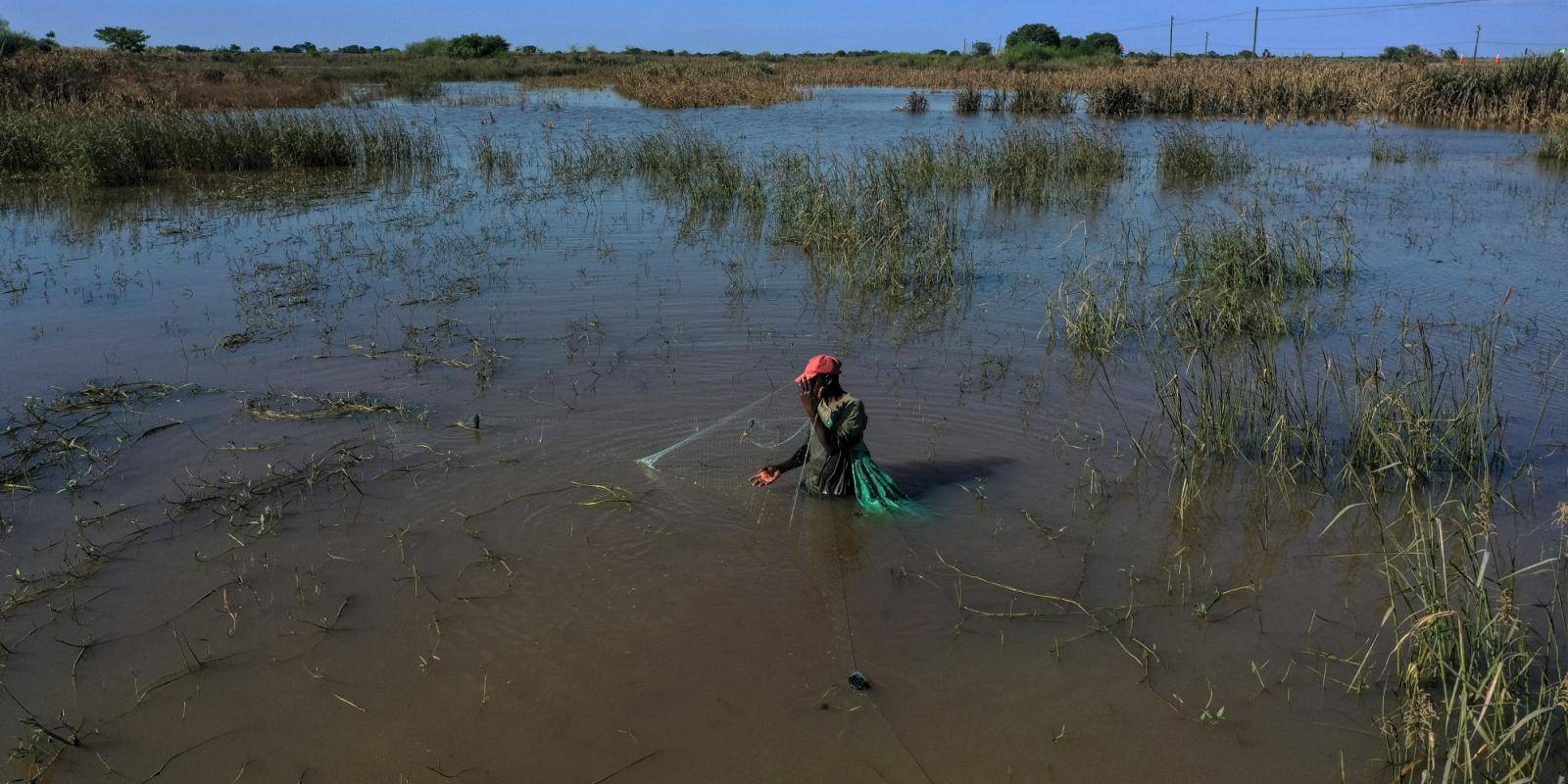
Water scarcity is becoming increasingly severe worldwide, driven by rising demand, declining aquifers and worsening droughts in many regions. The global economy’s thirst for water, especially in water-intensive sectors like agriculture, has nearly tripled over recent decades, even as freshwater supplies shrink. This growing imbalance threatens human health, livelihoods and key economic systems.
The United Nations has struggled to keep pace with the crisis, with major initiatives like the UN Water Decade and the water-related Sustainable Development Goal (SDG 6) falling behind schedule. A large share of the world still lacks access to safely managed drinking water or sanitation, reflecting limited practical progress.
Looking ahead to the 2026 UN Water Conference in the United Arab Emirates, experts see a chance to turn progress into action. If the conference can focus on pragmatic solutions and framing water as central to economic activity, it might galvanize investment, partnerships and renewed commitment across governments and stakeholders.
However, meaningful progress will require stronger institutions and clearer global frameworks. Water challenges are deeply local in impact, but their solutions, from cross-border basin cooperation to better governance and technology deployment, need more cohesive global leadership to make a real difference.
Reference: Morris-Iveson, L., & King, R. (2026, February 4). The world is far off meeting its growing water needs. Can the UN still lead the response? Chatham House. https://www.chathamhouse.org/2026/02/world-far-meeting-its-growing-water-needs-can-un-still-lead-response