
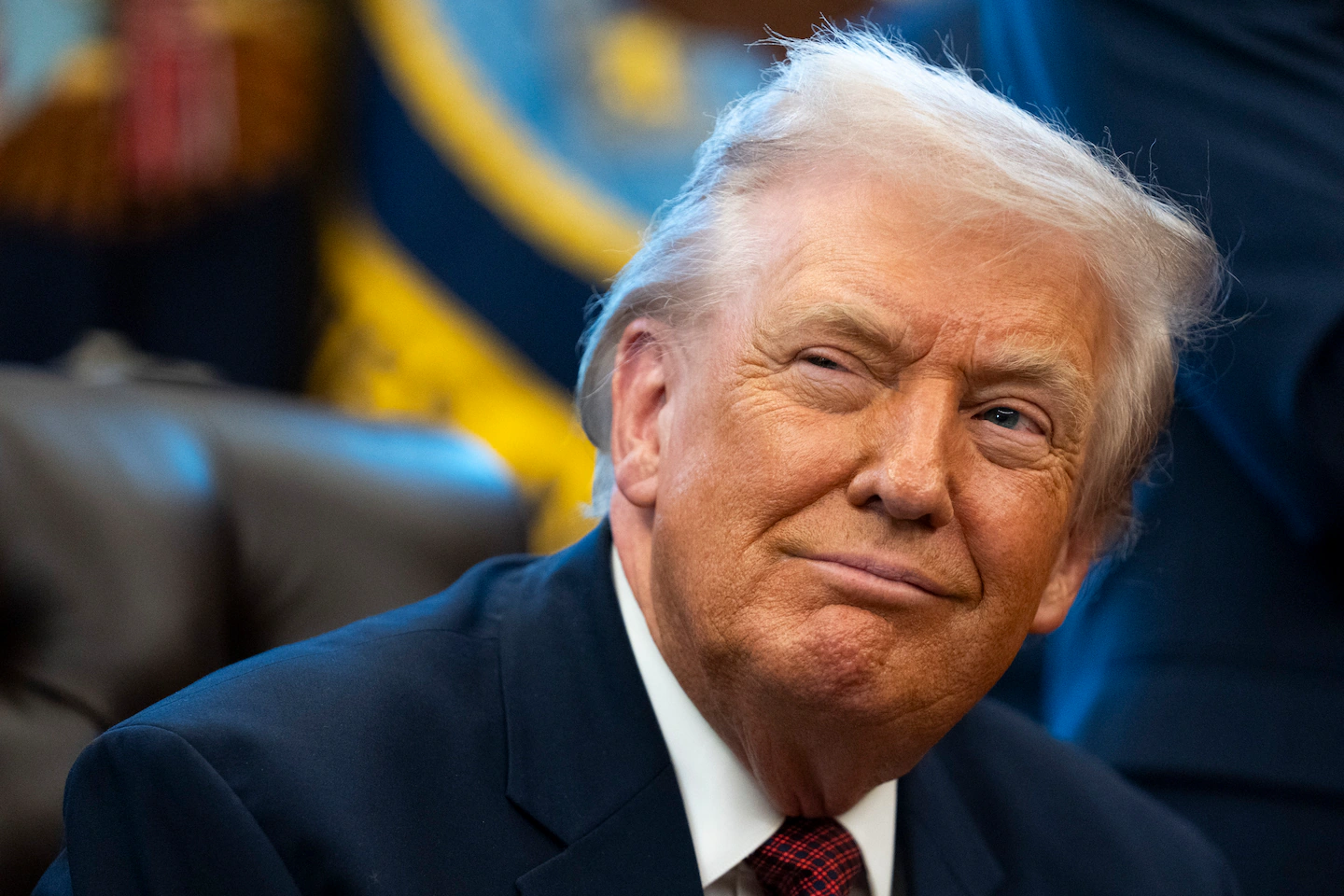
President Donald Trump unveiled an $11 billion relief package designed to cushion American farmers from the economic fallout of his tariff policies. The move seeks to ease mounting pressure on a key political constituency hit hard by dropping crop prices and collapsing soybean exports after China halted purchases in retaliation for U.S. tariffs. Because China typically accounts for roughly half of all U.S. soybean exports, the cutoff delivered a severe blow to producers already facing financial strain.
The new assistance will be routed primarily through the Agriculture Department’s Farmer Bridge Assistance program, with additional support being considered for specialty crops. According to the administration, the funding will be sourced from tariff revenue. Trump argued that boosting domestic production is central to lowering food prices and blamed current financial challenges on former president Joe Biden. On the other hand, he also highlighted China’s recent resumption of U.S. soybean imports following trade discussions.
Across the country, low prices and tariff pressures have pushed many farmers toward insolvency. Bankruptcy filings surged by 60 percent in the first half of the year, reaching their highest rate since 2020. The tariff conflict with China not only slashed U.S. soybean exports but opened space for Argentina to step in as a supplier. Trump simultaneously offered financial support to Argentina and later authorized U.S. purchases of Argentine beef to curb consumer prices. A move that generated backlash from cattle ranchers and created tensions with his “America First” platform.
Renewed Demand and Rising Optimism
The relief package is crafted to relieve the oversupply and plunging prices faced by U.S. soybean growers. After talks in late October, Chinese officials expressed willingness to resume and expand soybean purchases for 2026. Although China’s enormous $1 trillion trade surplus signals that U.S. efforts to heavily shift global trade balances remain limited.
Even so, farmer sentiment has recently improved. A Purdue University survey in early December showed rising optimism about the agricultural economy and individual farm finances, partly driven by modest increases in crop prices and renewed expectations following the latest U.S.–China trade developments.
Reference
Alfaro, M., & Beggin, R. (2025, December 8). Trump announces $11 billion tariff relief for farmers. The Washigton Post. https://www.washingtonpost.com/politics/2025/12/08/trump-farm-aid-tariffs/?utm_source=alert&utm_medium=email&utm_campaign=wp_news_alert_revere&location=alert