
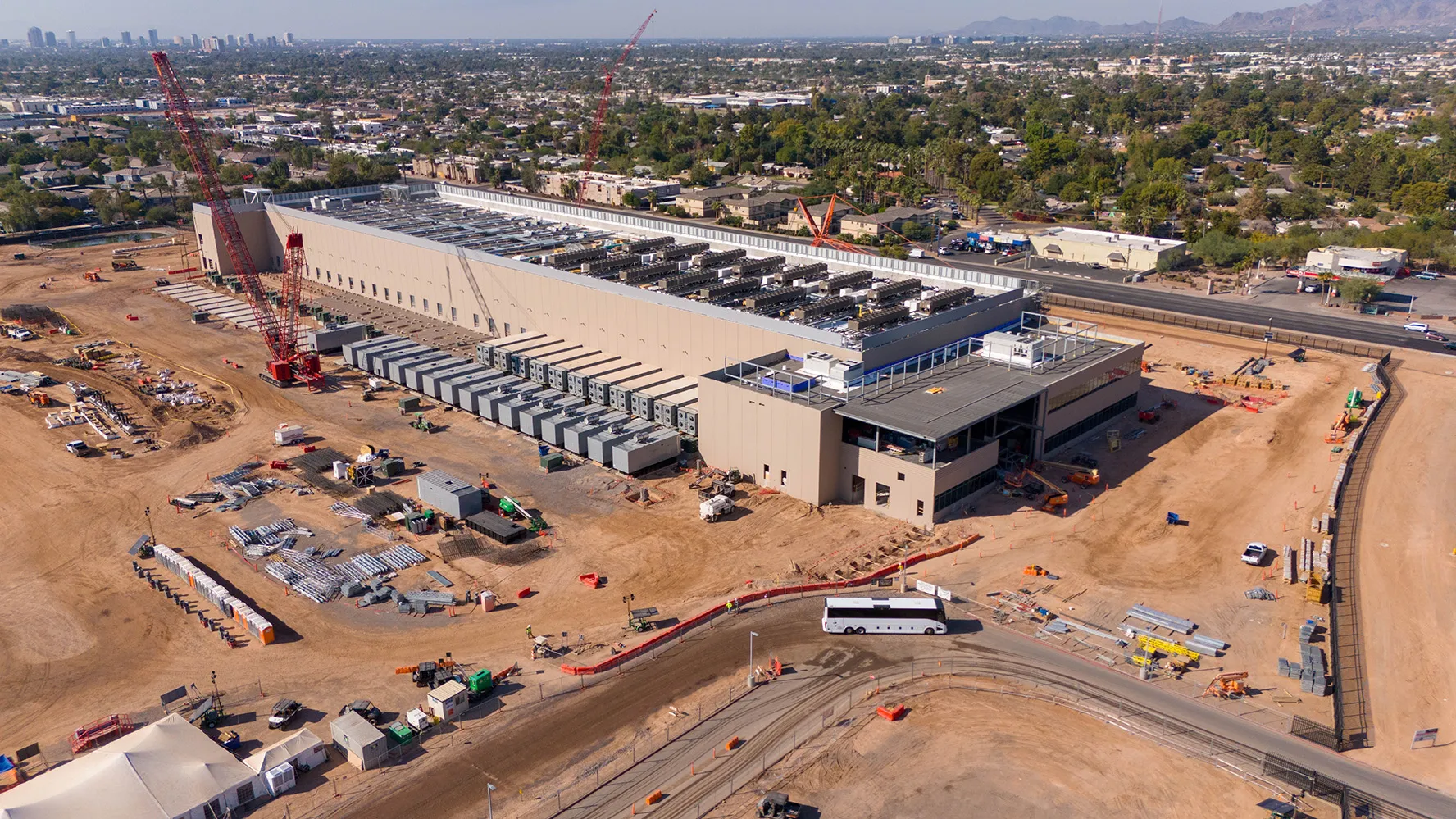
The Acceleration of the Data Center Economy
The rapid expansion of artificial intelligence has intensified demand for large-scale data centers across the United States. Consequently, regions with land, power access, and connectivity have become highly attractive investment destinations.
Initially, many local governments pursued these projects through fast approvals and generous tax incentives. However, this traditional approach often delivered limited long-term economic value for host communities.
Although construction phases generated temporary employment, permanent jobs remained relatively scarce. Meanwhile, operational facilities consumed significant electricity, water and land resources.
As a result, public skepticism has grown regarding the true local benefits of hosting data centers. Therefore, communities are increasingly questioning how to transform infrastructure growth into durable prosperity.
Shifting Bargaining Power in the AI Era
Importantly, the AI boom has altered negotiations between data center developers and local governments. Previously, companies could relocate easily, weakening local leverage during dealmaking.
Now, hyperscalers compete intensely for scarce sites with sufficient power and scale. Thus, regions possess greater bargaining power than in earlier industrial attraction efforts.
Accordingly, communities can demand commitments beyond tax breaks and symbolic contributions. Instead, they can require investments aligned with long-term regional economic strategies.
For example, agreements may include funding for research institutions or innovation initiatives. Additionally, local leaders can seek access to computing resources for universities and startups. These conditions reposition data centers as catalysts for broader economic ecosystems.
From Site Selection to Strategic Development
Rather than treating data centers as passive infrastructure, communities can redefine their role. In this perspective, infrastructure access becomes leverage for shaping future economic competitiveness.
Strategic negotiations can link approvals to workforce pipelines and applied research partnerships. Moreover, data centers can anchor emerging AI-driven industry clusters. Such alignment ensures investments reinforce existing regional strengths instead of remaining isolated assets.
Consequently, local economies gain tools for innovation, entrepreneurship, and technological upgrading. This approach reframes economic development from transactional to transformational.
Workforce Development as a Core Objective
Although data centers employ relatively few permanent workers, workforce development remains essential. Therefore, training initiatives should accompany infrastructure investment from the outset.
Partnerships among firms, universities, and technical colleges can expand access to high-skill roles. Furthermore, such programs prepare workers for adjacent digital and engineering occupations.
By doing so, communities convert data center presence into human capital growth. Over time, this strategy supports career mobility and regional resilience. Thus, short-term construction activity can translate into long-term skill formation.
Energy Demands and Community Responsibilities
Energy consumption represents one of the most pressing challenges for host regions. Data centers require massive power leads that may strain local grids.
Accordingly, negotiations can incorporate commitments to grid upgrades and renewable energy projects. In addition, regions can pursue energy innovation pilots tied to these facilities.
Such measures transform infrastructure pressure into opportunities for cleaner energy investment. Therefore, sustainability becomes integrated within economic development planning.
Toward a Shared Prosperity Framework
Ultimately, lasting benefits require a coordinated framework for shared prosperity. This framework emphasizes co-investment rather than one-time incentives.
It prioritizes workforce training, research collaboration, and local innovation ecosystems. Simultaneously, it addresses infrastructure strain and community resources concerns.
Through collaboration, megawatts can be converted into long-term competitiveness. Only then can the data center boom deliver enduring local prosperity.
Source:
Goetzel, D., Muro, M., & Methkupally, S. (2026, febrero 5). Turning the data center boom into long-term, local prosperity. Brookings. https://www.brookings.edu/articles/turning-the-data-center-boom-into-long-term-local-prosperity/