
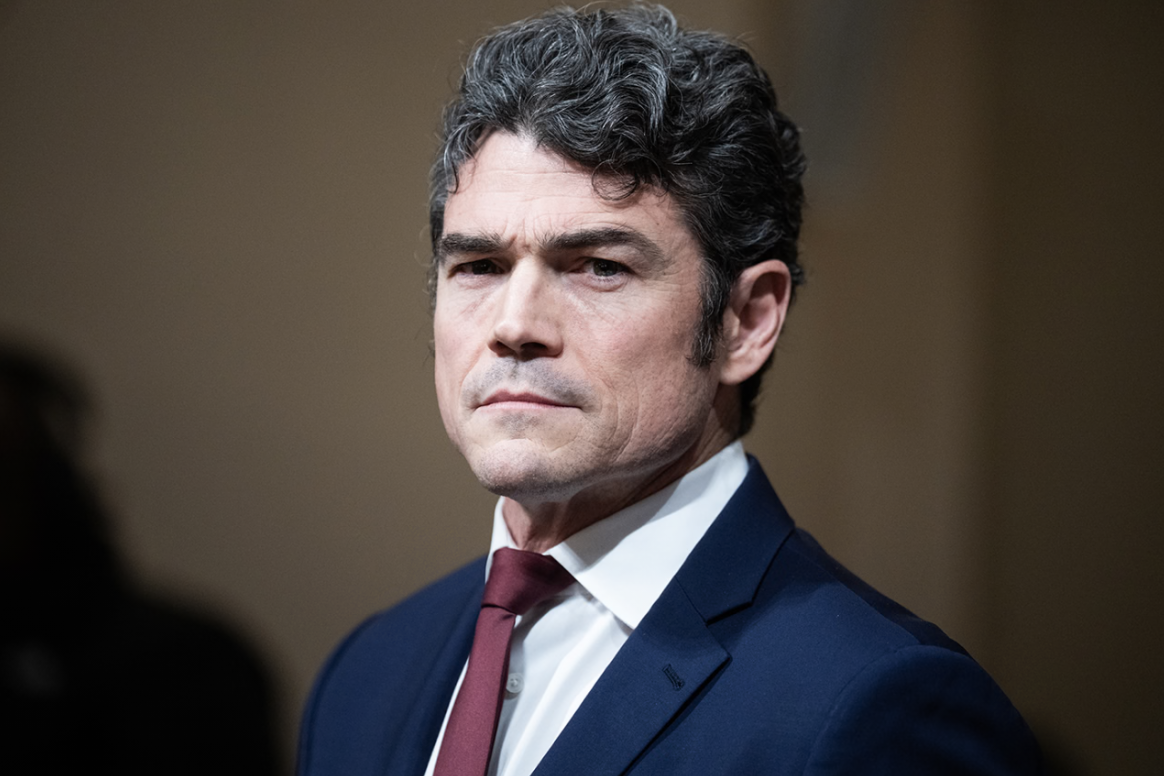
Sudden Resignation
First, a senior U.S. counterterrorism official resigned amid the ongoing war in Iran, signaling internal disagreement within the administration.
Break With Government Policy
Then, Joe Kent stepped down after publicly opposing the conflict, arguing it did not serve U.S. national interests.
Dispute Over Threat Assessment
Moreover, he stated that Iran posed no imminent threat, directly contradicting the administration’s justification for war.
Presidential Response
In contrast, President Donald Trump dismissed the resignation, criticizing Kent and reaffirming executive authority over determining national threats.
Intelligence Community Tensions
Meanwhile, intelligence leadership emphasized that officials coordinate analysis, while ultimate threat decisions rest with the president.
Strains With Allies
At the same time, tensions grew with European allies, especially over U.S. pressure to secure the Strait of Hormuz.
Ongoing Military Developments
Additionally, military movements toward the Middle East continued, reflecting escalation alongside diplomatic friction.
Broader Geopolitical Impact
Finally, the conflict disrupted other priorities, including delaying a planned U.S. presidential visit to China.
Source:
Council on Foreign Relations. (2026). U.S. counterterrorism chief resigns. https://www.cfr.org/articles/u-s-counterterrorism-chief-resigns