
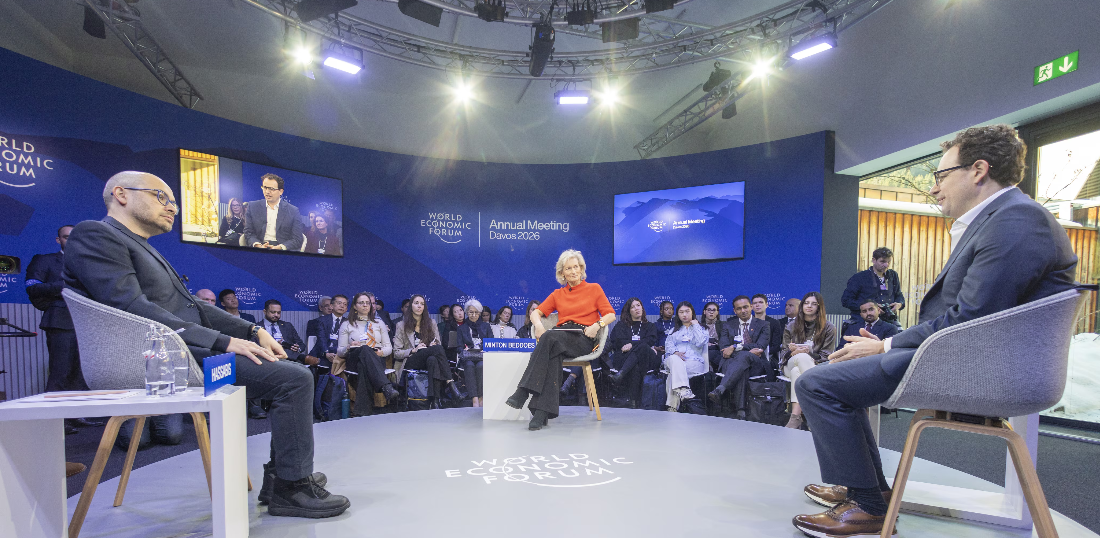
Growing up in a world shaped by artificial intelligence means navigating powerful tools that can both support and undermine human development, especially for children and young adults. A central concern is the temptation to let AI take over tasks that, while tedious, function as crucial “time under tension” for cognitive and emotional growth. “Time under tension” in learning, much like in weightlifting, strengthens mental and emotional “muscles” by forcing sustained effort, problem-solving, and the ability to tolerate frustration. When AI removes too much friction from everyday activities, children risk missing the chance to build resilience, social skills, and creativity that come from working through difficulty, making phone calls, or managing uncomfortable emotions. The aim is not to reject AI, but to avoid automating away developmental steps that help young people become capable, well-rounded adults.
In a rapidly changing labour market, specific hard skills may quickly become obsolete, as shown by the shift from coding as a guaranteed path to security to a field where some engineers “don’t write code anymore” and instead supervise AI-generated code. With models expected to soon handle most end-to-end software tasks, adaptability becomes more valuable than any single technical skill. Teaching young people how to learn, unlearn, and relearn, and how to adapt to new environments, becomes essential, alongside enduring human-centric abilities such as communication, judgment, and collaboration. There is particular concern that AI may erode entry-level opportunities that traditionally allowed youth to gain initial experience, making learning agility and flexibility even more critical.
At the same time, mastering AI tools is framed as a strategic advantage rather than a threat. High proficiency with AI could effectively “leapfrog” young people into being useful in professional settings, sometimes rivaling the benefits of traditional internships. However, the intensity of AI use must be calibrated to age: chatbot tutors may be appropriate for older students but should be kept out of elementary education unless proven safe and effective. This balance between use and protection underpins calls for robust regulation and clear guardrails so that AI strengthens, rather than “jeopardizes,” social fabric and youth development.
Reference
Thomson, S. (2026, January 28). 3 messages to young people from leaders at Davos on how to grow up with AI. World Economic Forum. https://www.weforum.org/stories/2026/01/young-people-ai-davos/