
AI
-

Pope Leo XIV Presses France on Bioethics and AI, Urging Europe Not to Lose Its Humanity
Pope Leo XIV arrived in Paris on Friday, 25 September, for the first official papal visit to France in nearly twenty years. He was welcomed at the Elysee by President…
-

Sudamérica podría ser un laboratorio de pruebas para la IA
Analiza en este reporte de DW cómo Sudamérica se encamina a ser un laboratorio de pruebas para las corporaciones de inteligencia artificial y centros de datos.
-

AI’s Potential to Fight Global Warming ‘Remains to Be Realized,’ According to a Report
Speaking at Climate Week in New York, the UN climate chief urged world leaders to do more against global warming. He told tech giants that if AI can solve a…
-
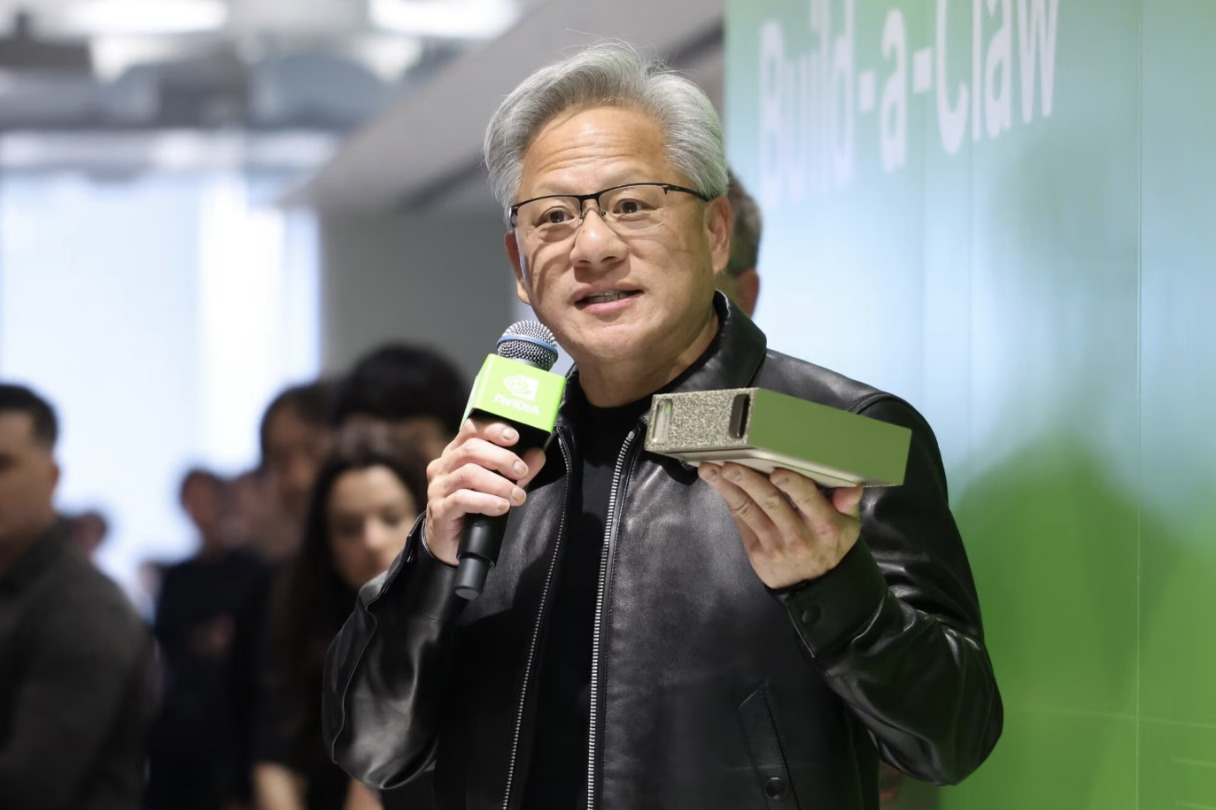
Nvidia Reports Blowout Quarter, Says Demand for AI Chips Is Getting Even Hotter
Blowout Earnings and Strong Forecast Currently, Nvidia delivered a pleasant surprise to investors by reporting a quarter of blowout earnings. Specifically, Chief Financial Officer Colette Kress announced an expected 70…
-

Zhipu AI shares jump as viral Ox Alpha model revealed as GLM-5.3-Flash on Chinese chips
Record Launch on Domestic Chips China’s Zhipu AI officially launched its open-weight model GLM-5.3-Flash, previously code-named Ox Alpha. Specifically, the system ran entirely on a massive cluster of 100,000 domestically…
-

Out of Bounds: What the U.S. Government Should Do in Response to AI Agent Containment Failures
Reports of frontier AI models escaping containment environments have heightened concerns regarding security protocols and model oversight during development and evaluation. Recent incidents demonstrate that autonomous AI agent systems can…
-
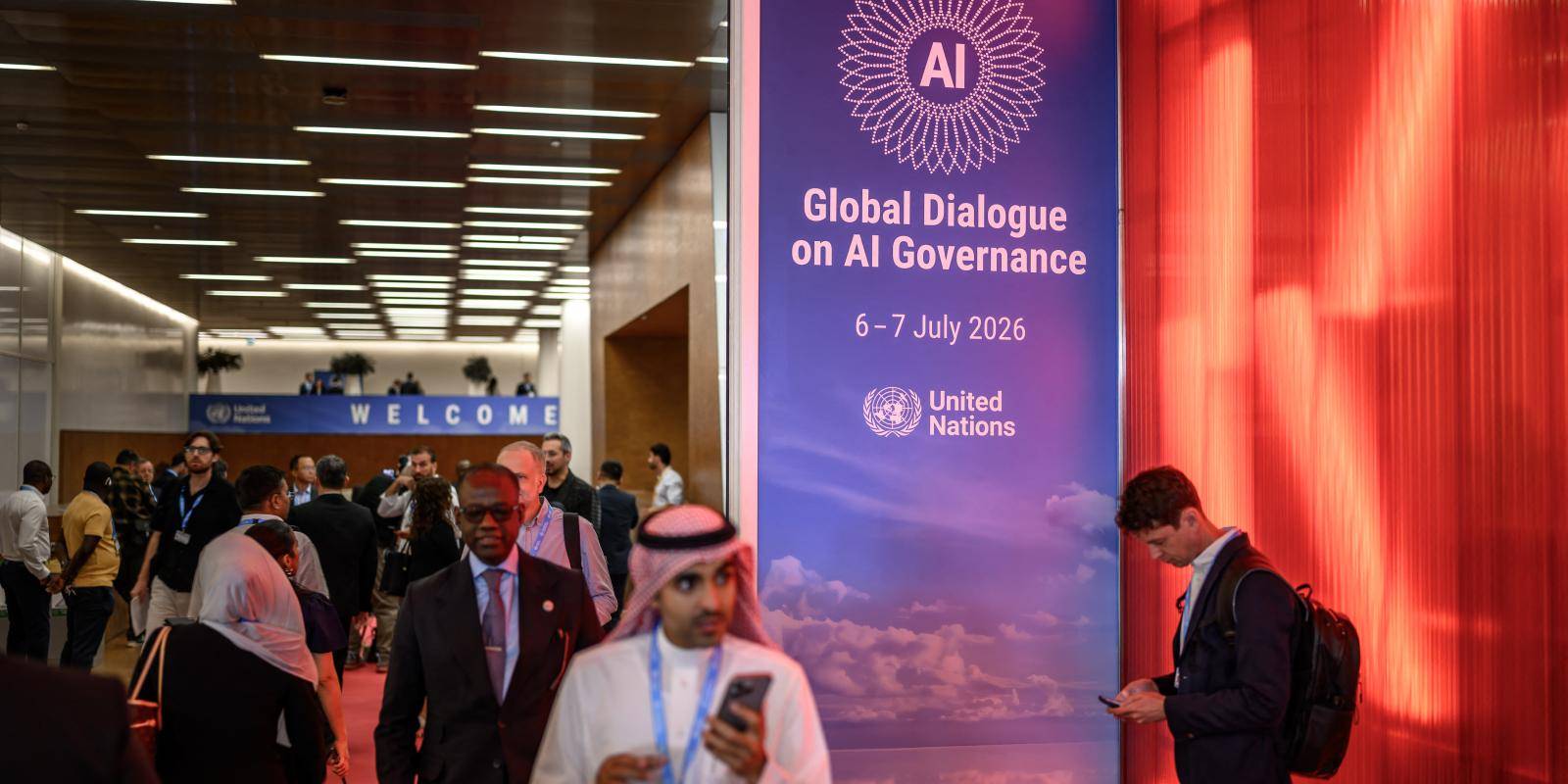
Can the UN close the global AI gap?
A Growing Global AI Divide Artificial intelligence is developing unevenly across the world, creating a widening gap between technological powers and less-developed countries. Advanced semiconductors, computing infrastructure, and AI capabilities…
-
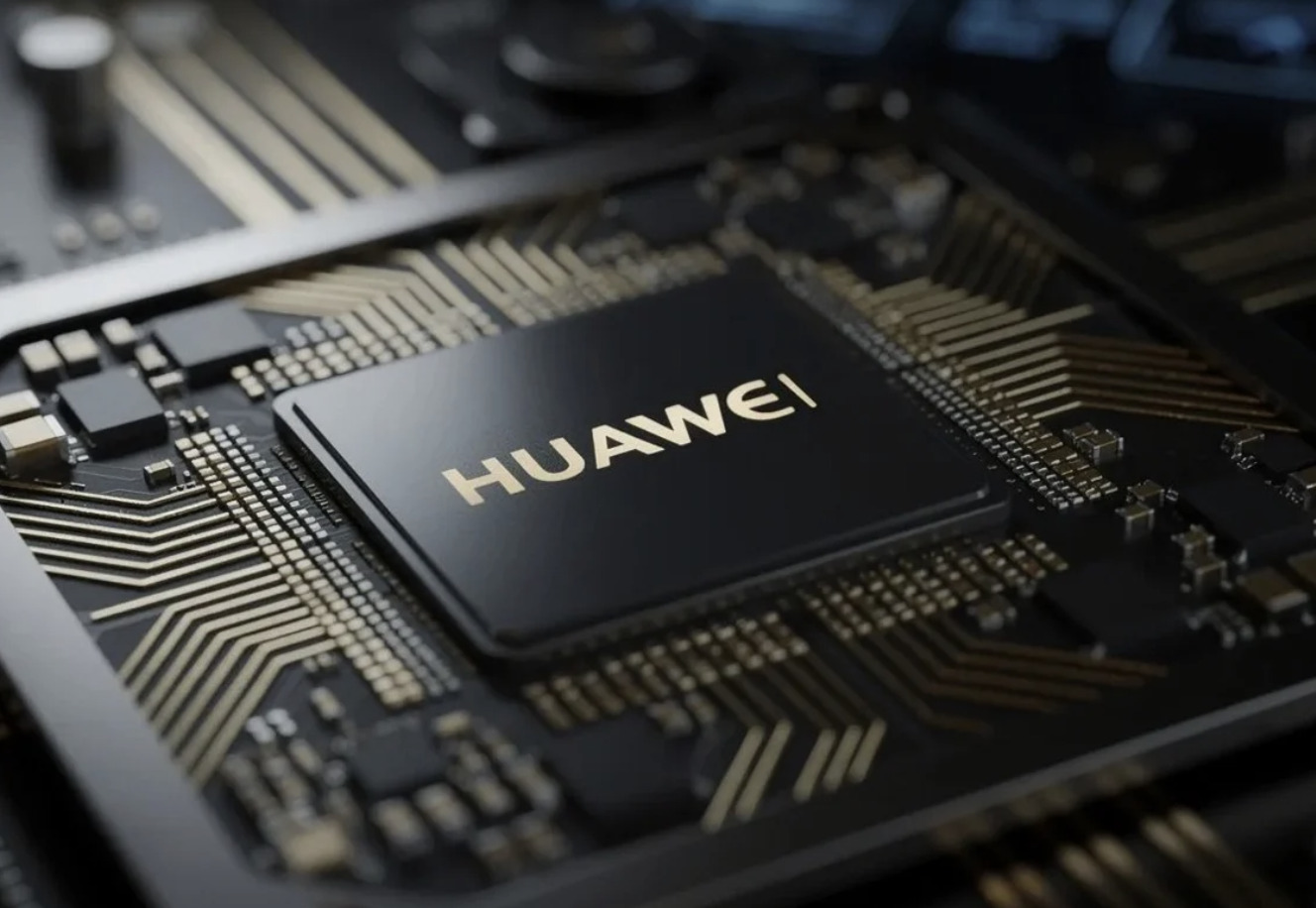
China’s top AI is still trained on Nvidia chips. What is delaying a switch to local tech?
The High Cost of Transition AI developers still train China’s most advanced artificial intelligence models on Nvidia chips. Consequently, the prohibitively high cost of switching to local semiconductors heavily hampers…
-
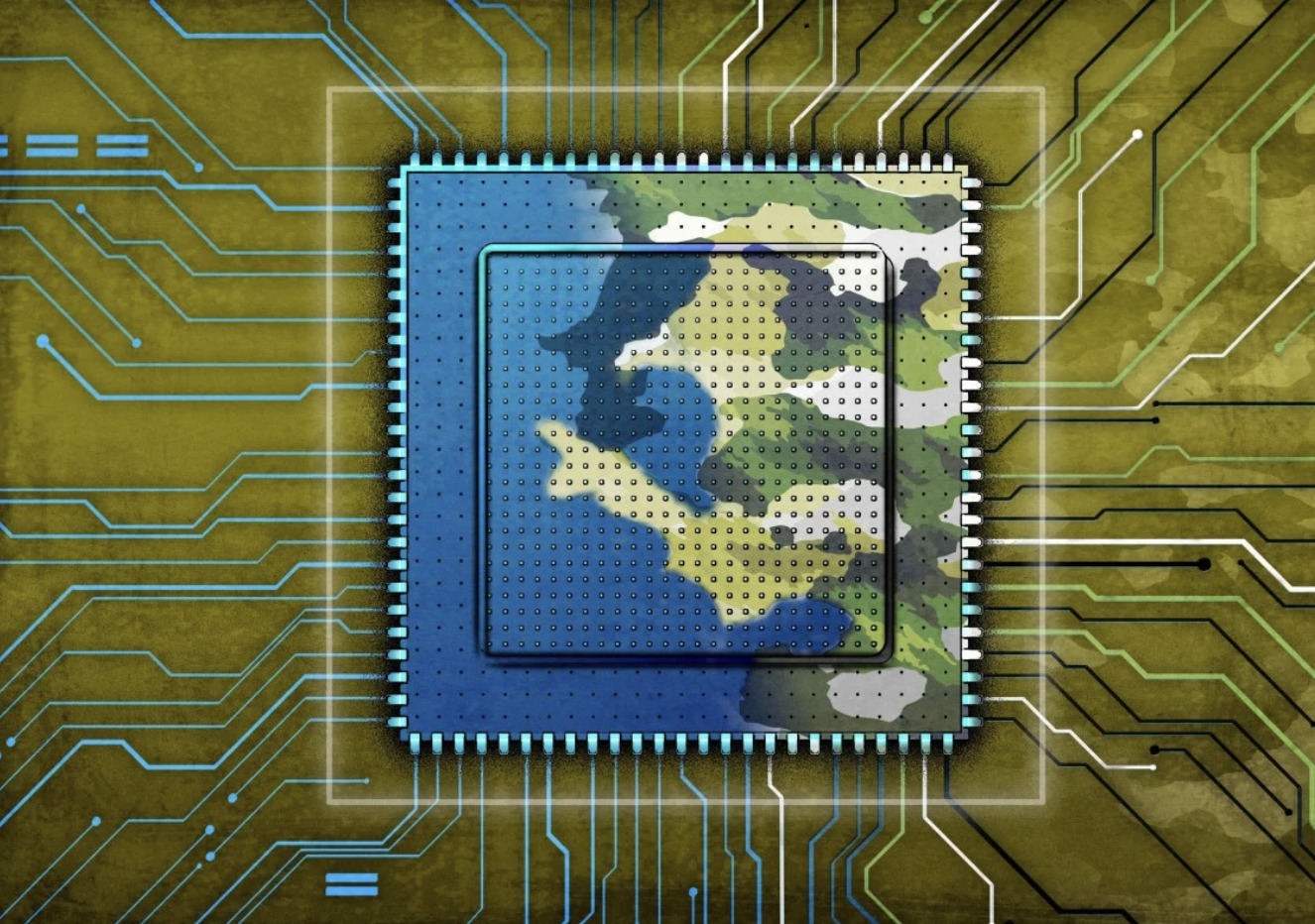
China’s Palantir? Private tech firms surge into defence AI, aiming to match US giants
The Rise of Chinese Defense AI A little-known Chinese company named Jingan Technology made a bold claim recently. Specifically, they detected a large concentration of US surveillance assets across the…
-
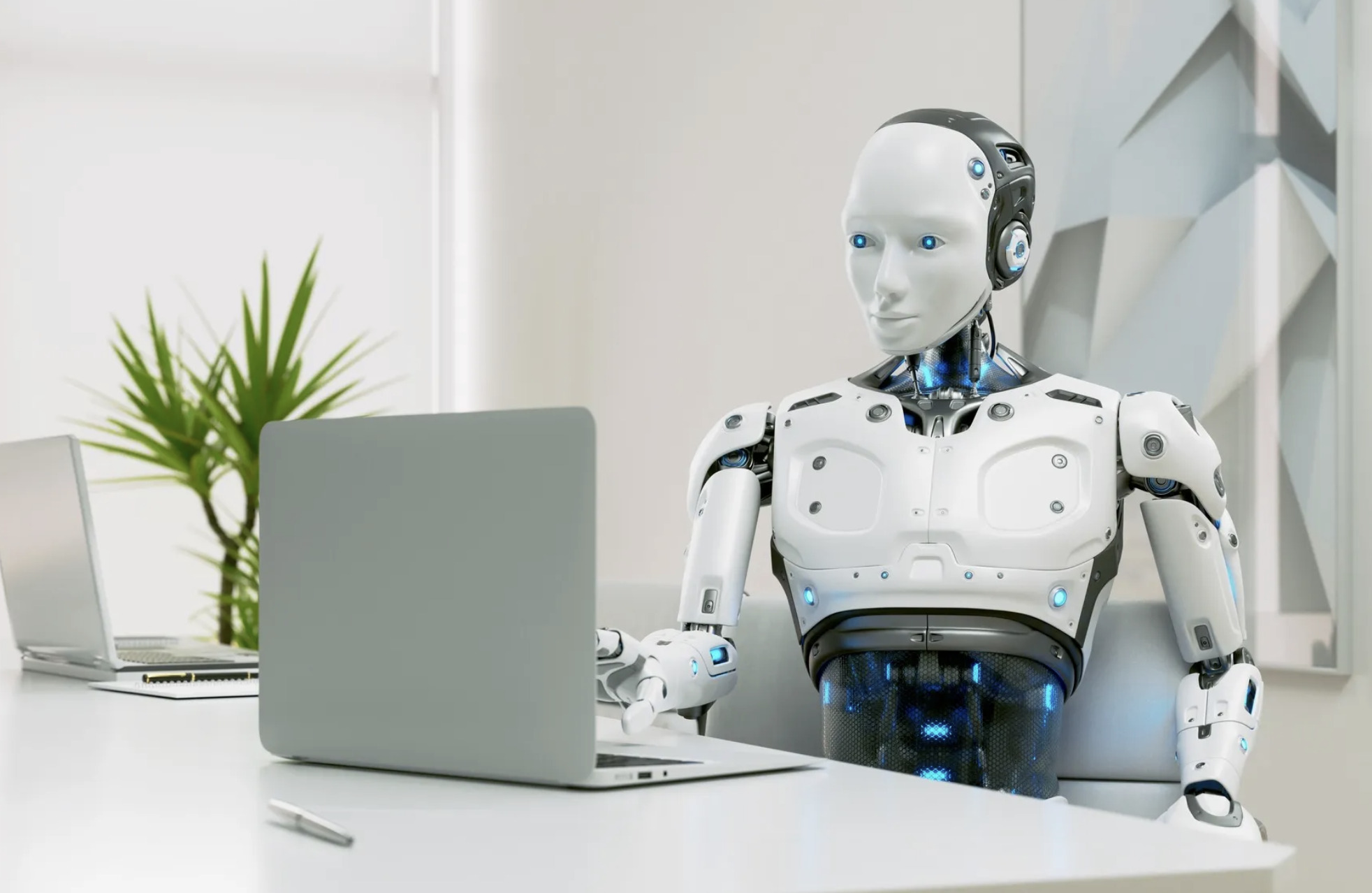
AI tax debate misses the threat that’s already here
The AI Tax Debate and Fiscal Reality Senator Wyden recently proposed limiting tax benefits for new data centers and levying a new excise tax. Many lawmakers actively want to use…
-
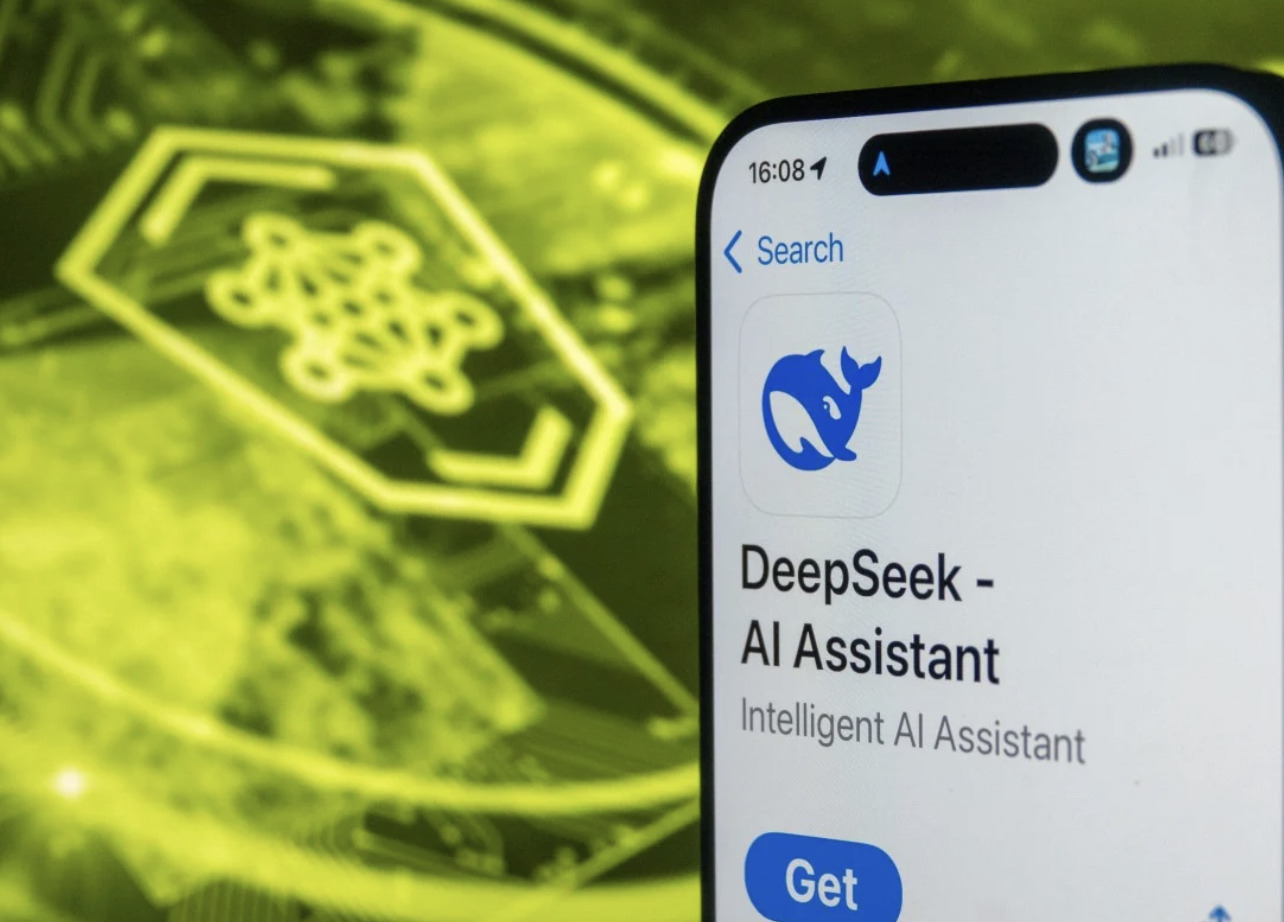
China’s DeepSeek beefs up agentic AI with ‘harness’ tests as V4 model jolts Silicon Valley
The Agentic Harness Testing Chinese AI company DeepSeek is inviting open-source developers to test its upcoming software. Specifically, this new “harness” system is designed to turn large language models into…
-

The national security implications of building frontier AI data centers overseas
Building frontier artificial intelligence data centers overseas has shifted from a routine commercial decision to a high-stakes national security choice.
-
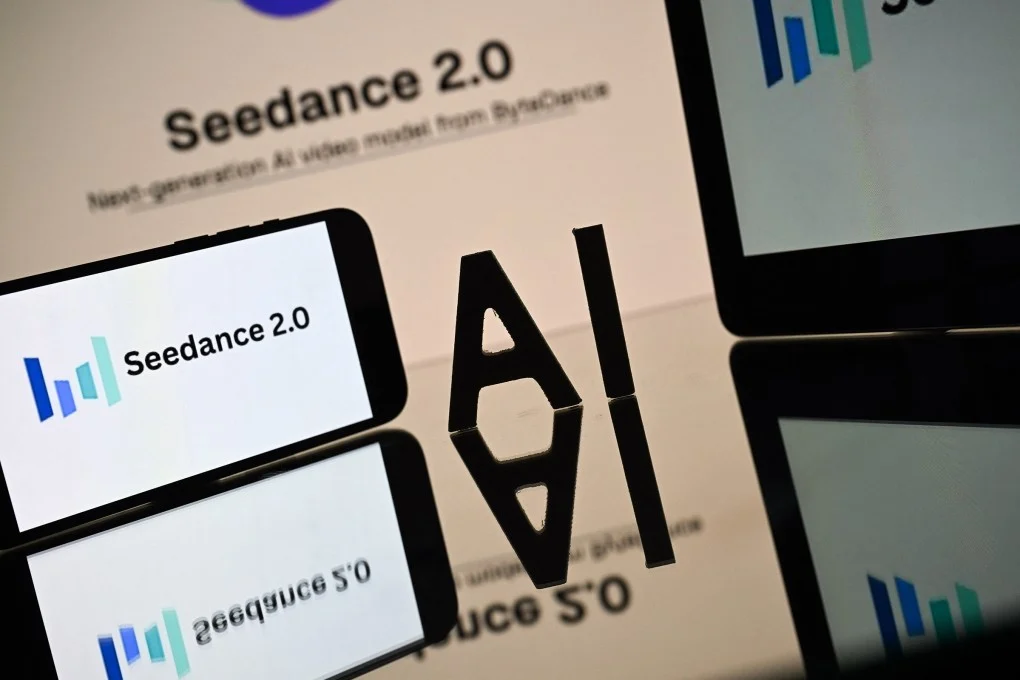
How ByteDance’s Seedance model empowers China’s nascent AI comic drama industry
China’s short-form entertainment landscape is undergoing rapid transformation as the ByteDance Seedance AI model accelerates production across the emerging AI comic drama industry. According to a report by the South China…
-

Finance firms set to pour more investment into AI amid ‘data divide’ fears
Global financial institutions are dramatically scaling up capital allocations toward artificial intelligence infrastructure, yet a widening finance AI investment gap threatens to divide market leaders from laggards. According to a report published…
-
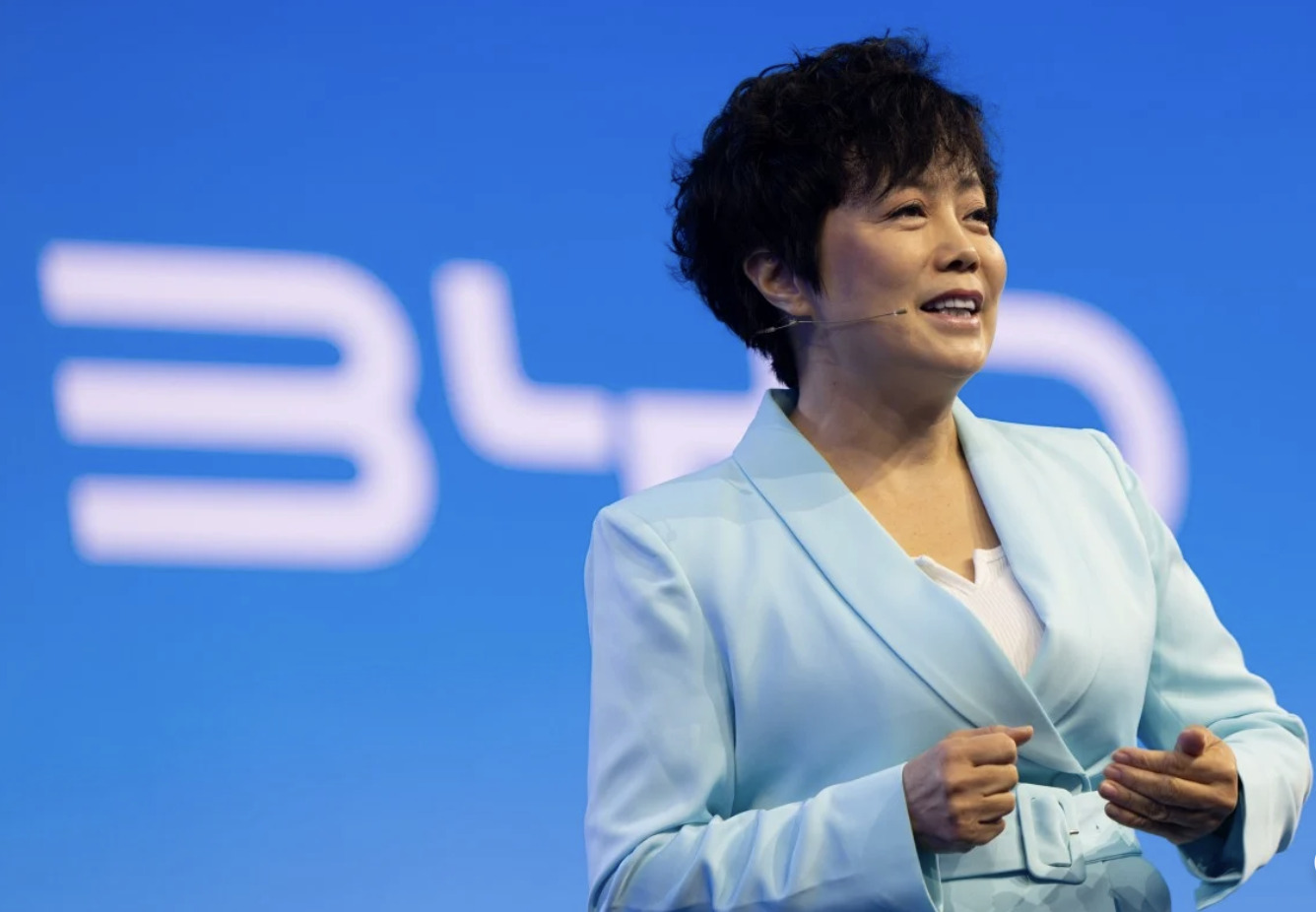
BYD to Debut First Humanoid Robots in August as Tesla Rivalry Intensifies
The Debut of Di Space Robots Electric vehicle giant BYD plans to unveil its first humanoid robots this August. The Shenzhen-based company will officially debut these advanced machines at its…
-
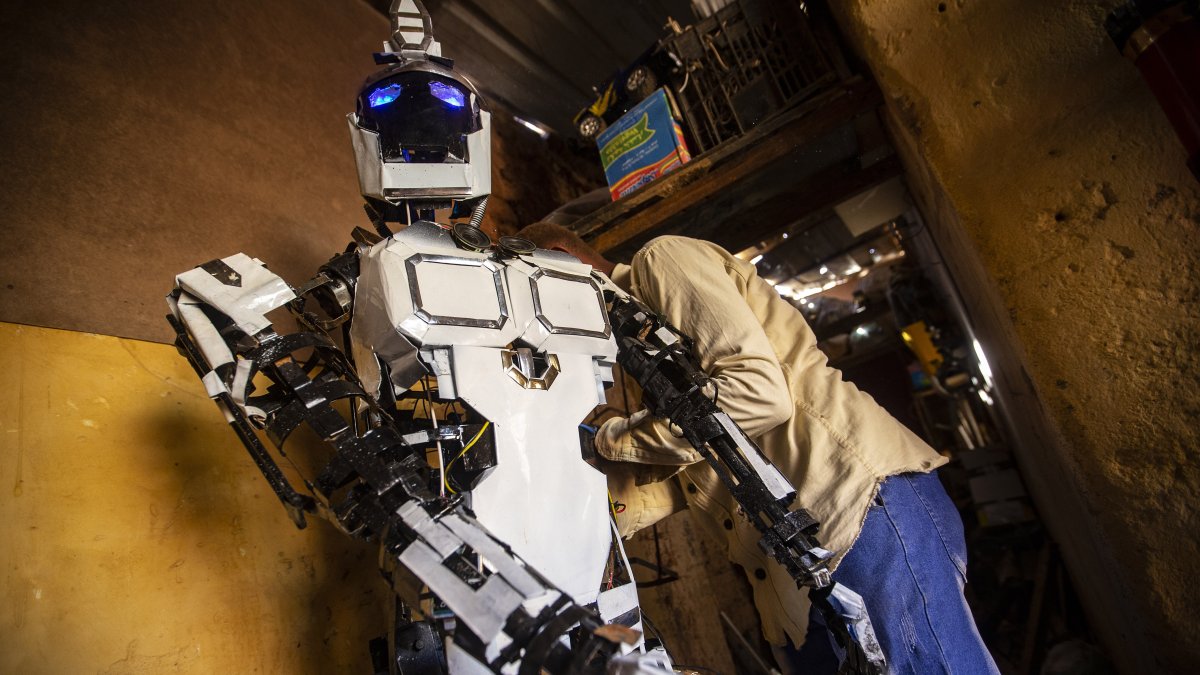
AI Strategies and the Informal Economy: Africa’s Job Creation Test
National artificial intelligence strategies across African nations are facing a critical alignment test, as current policies often emphasize formal sector tech hubs while overlooking the informal economy. Which accounts for…
-
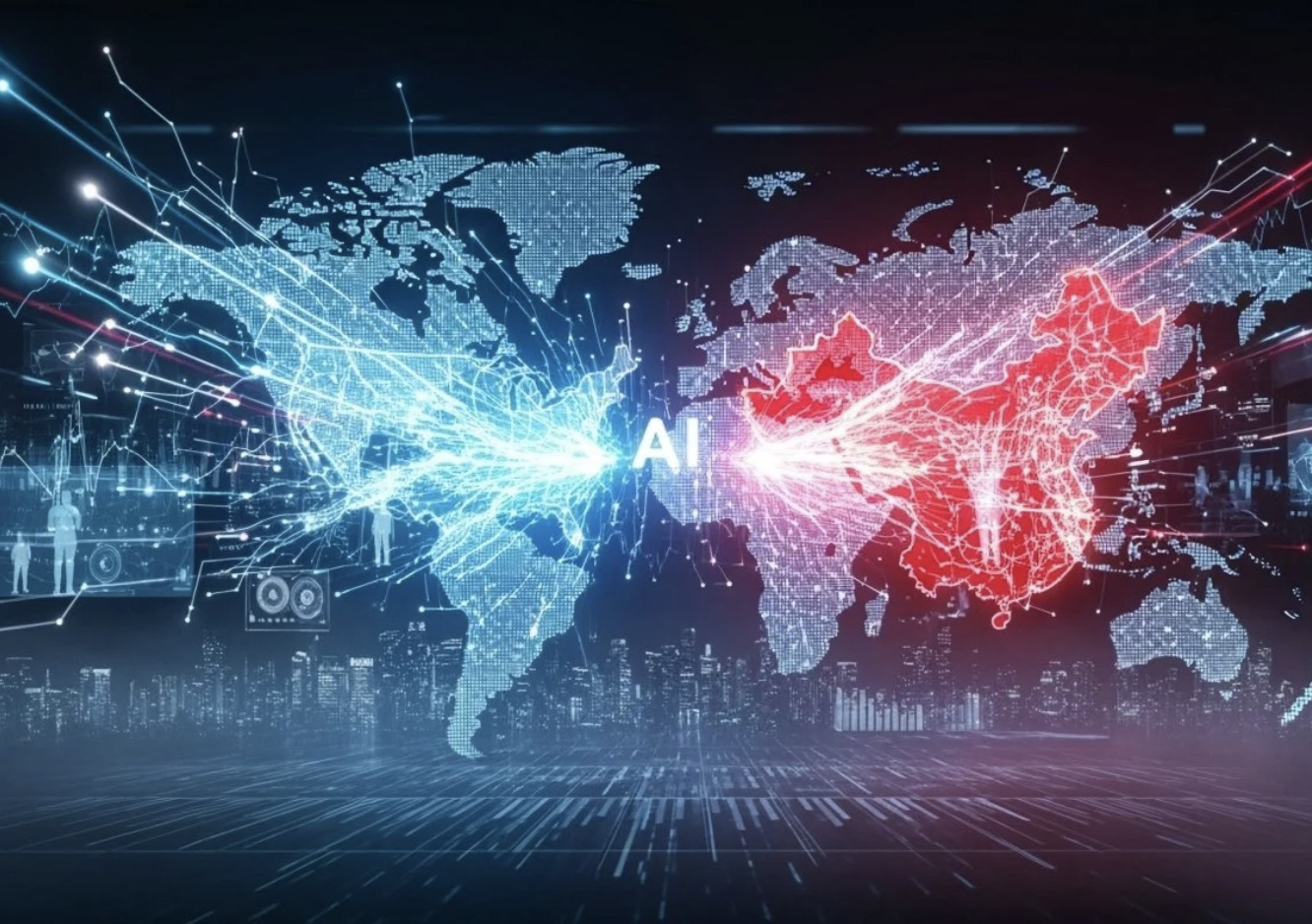
As US-Chinese AI model gap narrows, what next for Washington?
A Shrinking Technological Gap For years, Washington actively fixated on the artificial intelligence gap between the United States and China. Initially, the release of OpenAI’s ChatGPT established a clear early…
-
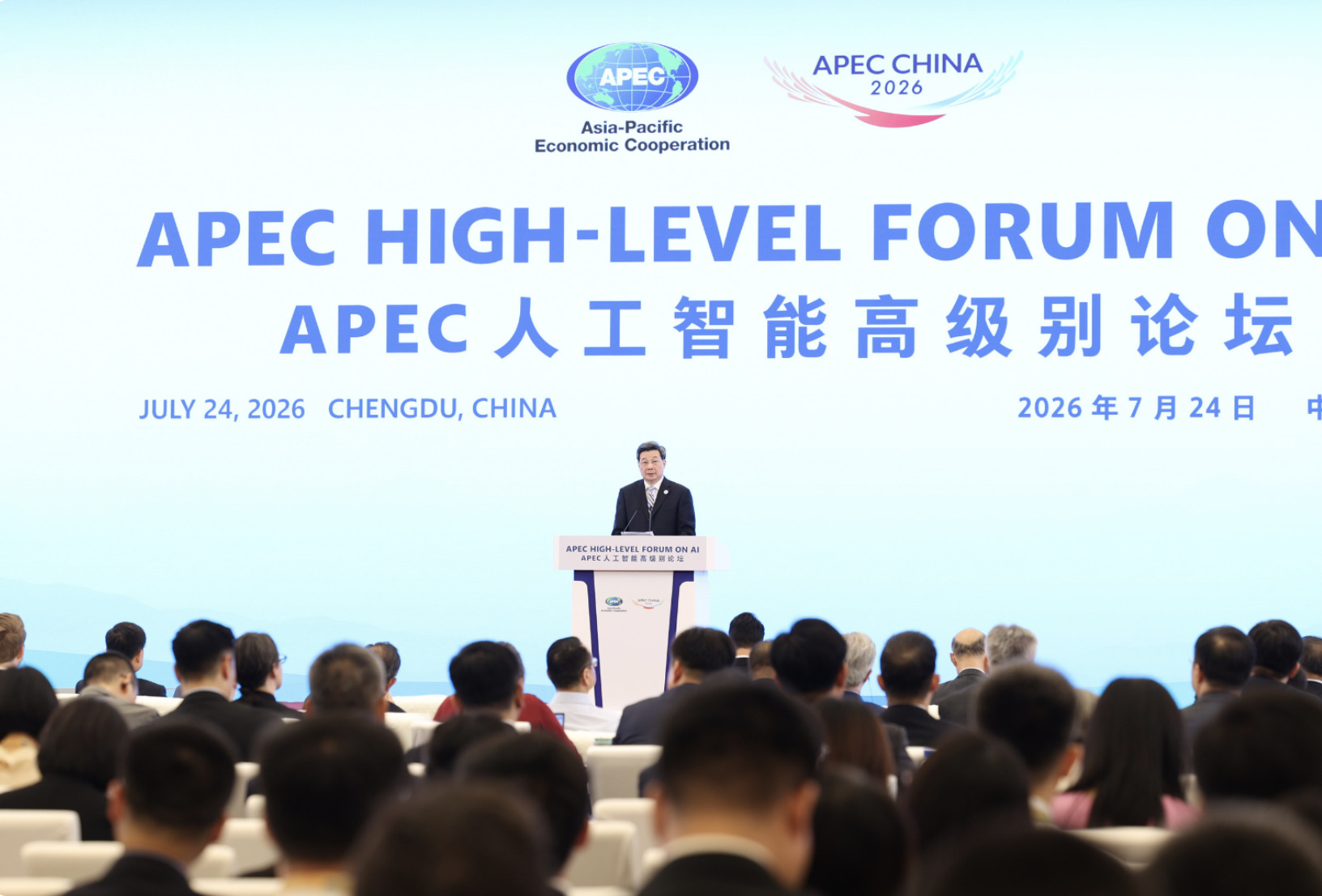
APEC High-Level Forum Issued Statement on AI Development in the Asia-Pacific
Promoting AI for Good and All The APEC High-Level Forum on artificial intelligence recently took place in Chengdu, China. Member economies reaffirmed their strong commitment to deepening regional exchanges and…
-
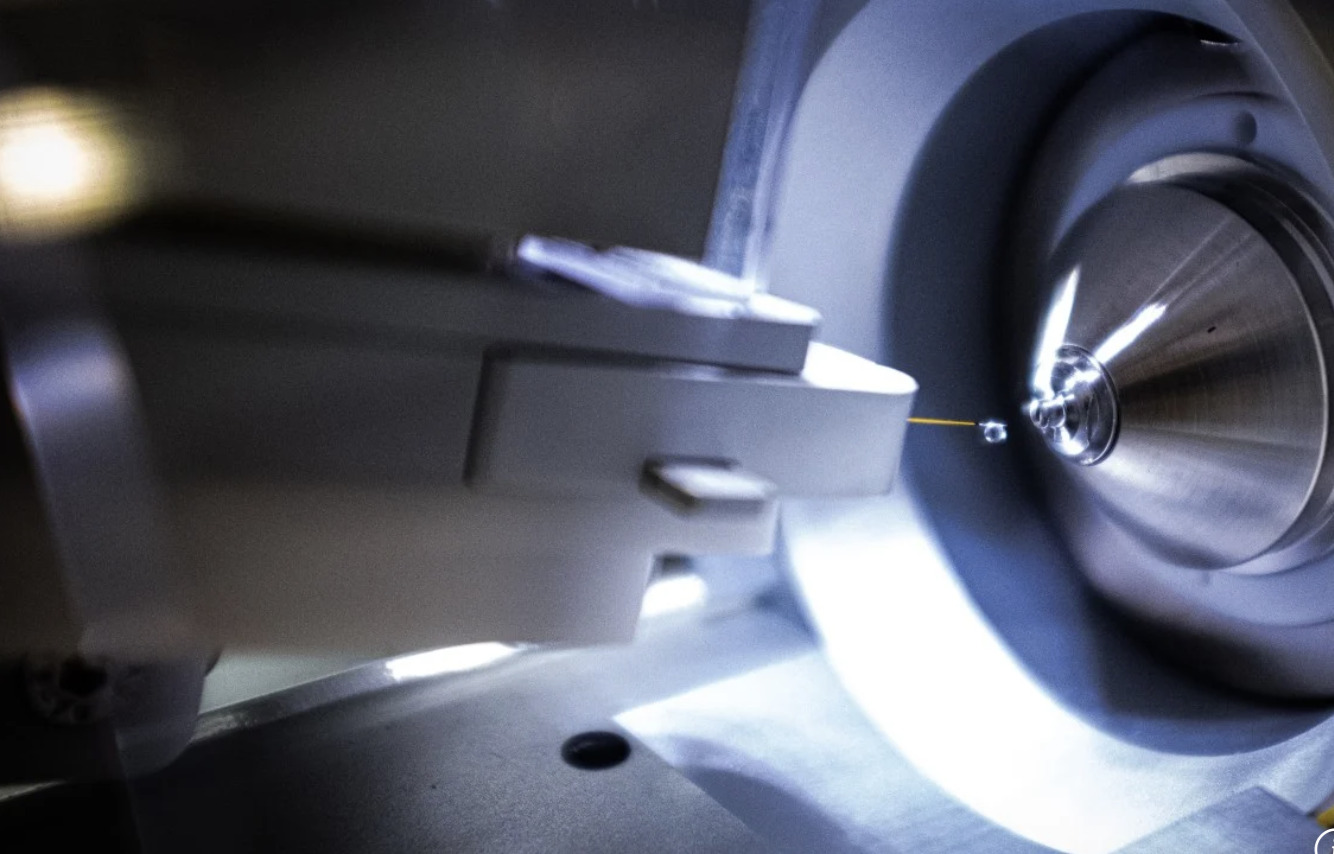
AI, science and the risks in China’s reliance on imported precision equipment
The Import Dependency Problem China relies heavily on imported scientific instruments for critical research. Unfortunately, this deep dependency could severely hold back the country’s use of artificial intelligence in science.…
-
China’s AI weather warning system Mazu expanding across Global South
As intensifying meteorological disruptions challenge traditional disaster relief frameworks across developing economies, the deployment of China’s AI weather warning system Mazu marks a critical milestone in international technological cooperation. Unveiled prominently at…
-
AI for peace: In Rome, Nobel laureates call for disarming AI and nuclear weapons
More than thirty Nobel laureates and hundreds of international delegates gathered in Italy to address emerging technological threats. Specifically, participants at the AI nuclear weapons Rome summit signed a landmark declaration urging…
-

Artificial Intelligence and the Future of Terrorism
The rapid advancement of artificial intelligence is poised to reshape the landscape of modern extremism. Though its impact will likely be evolutionary rather than revolutionary. While public anxiety often focuses…
-

New coalition puts children’s rights at the centre of the AI age.
A global coalition places children’s rights at the heart of AI governance. A new international coalition was launched during the UN Global Dialogue on AI Governance in Geneva to ensure…
-

U.S. Trade Deficit Widened in May as Imports of AI Components Rose
A Ballooning Trade Gap The United States trade deficit ballooned significantly in May. It officially reached its widest level since March 2025. This dramatic increase happened because the country imported…
-
The AI cold war needs a nonaligned movement
The next era of global competition is fundamentally changing how we perceive power. We are currently witnessing an intensifying AI cold war between the United States and China. This rivalry is no longer limited…
-

U.S. Lifts Restrictions on Anthropic’s Most Powerful A.I. Models
Reversal of Export Controls The Commerce Department lifted restrictions on all of Anthropic’s artificial intelligence models on Tuesday, allowing the company to bring its most powerful technologies back online. Consequently,…
-
How to Use AI to Help Find Civilian Harm
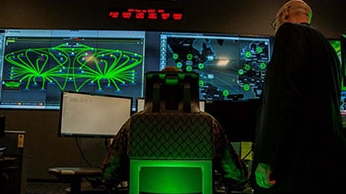
En: Think TanksThe massive volume of real-time digital information emerging from modern conflict zones. Creates an unprecedented challenge for open-source investigators and human rights monitors. Messaging applications, particularly platforms like Telegram, function…
-
US Assures India Over AI ‘Kill Switch’ as ‘Pax Silica’ Expands in Bid to Counter China
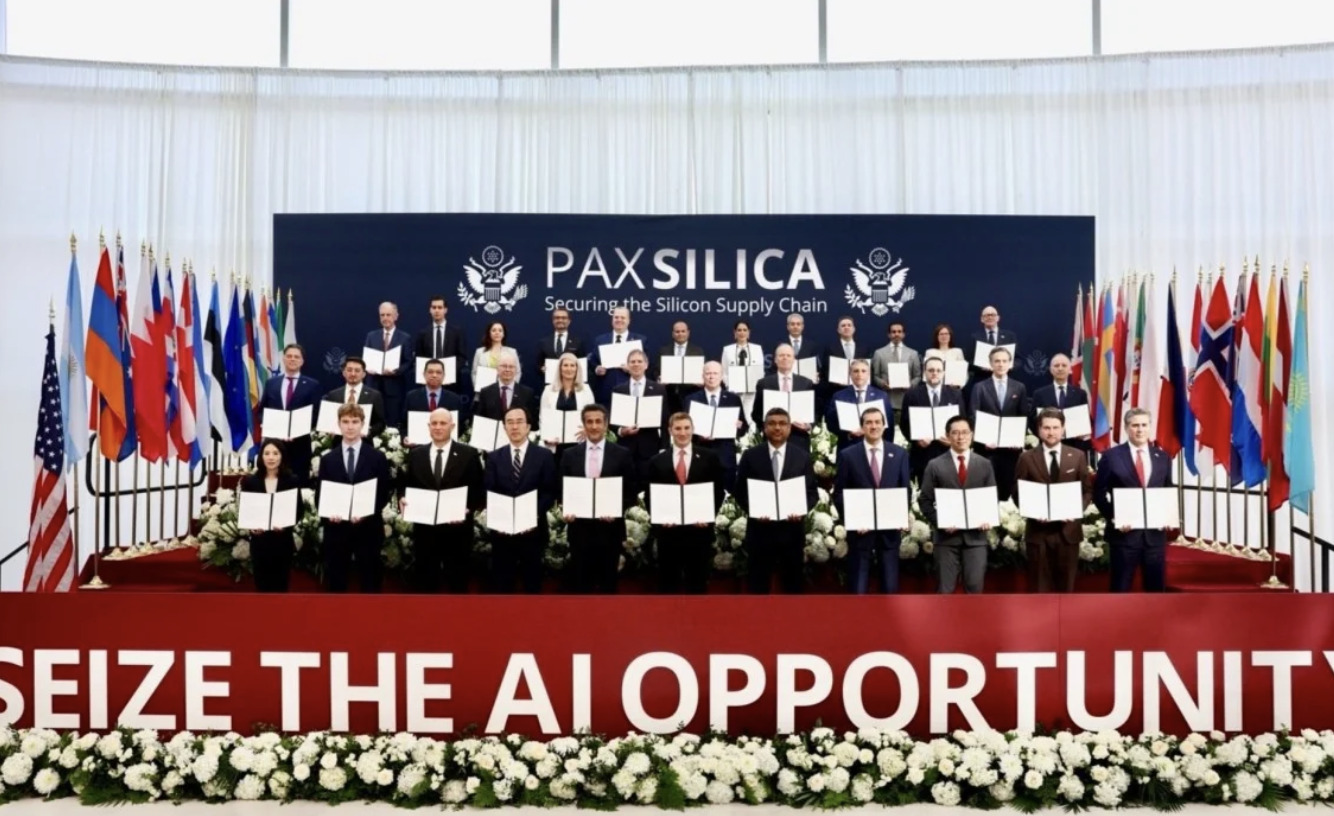
US Assurances to India on AI Access The United States assured India that future artificial intelligence models will not be cut off, following Washington’s abrupt ban on Anthropic’s advanced models…
-

South Korea announces more than $1 trillion AI, chip investment drive
In a massive bid to capture global market share during the ongoing artificial intelligence boom. South Korea has unveiled a monumental, multi-year industrial strategy totaling more than $1 trillion.
-
Artificial Intelligence and the Future of Entry-Level Work
The current landscape presents a fascinating paradox for junior employees. On one hand, 68% of entry-level workers report productivity increases using AI tools. Conversely, 45% state they are actually spending more time…