
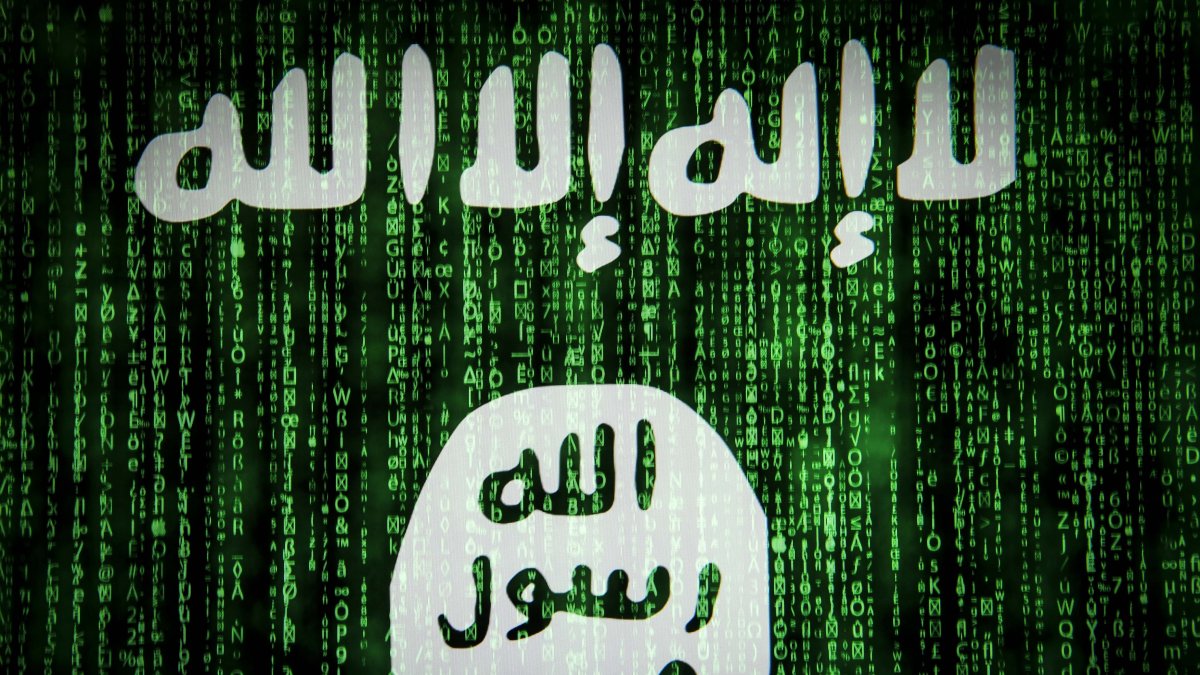
The rapid advancement of artificial intelligence is poised to reshape the landscape of modern extremism. Though its impact will likely be evolutionary rather than revolutionary. While public anxiety often focuses on worst-case scenarios. Such as terrorists deploying autonomous weapon systems or engineering deadly pathogens. Historical patterns of terrorist behavior suggest a more pragmatic reality. Terrorist organizations are generally risk-averse, resource-constrained entities that operate under heavy security pressure. Consequently, they tend to favor reliable, low-tech, and cost-effective methods like firearms and improvised explosives. Rather than inventing entirely new modes of violence, extremists are far more likely to opportunistically integrate commercially available. Open-source AI tools into their existing workflows to optimize their operations.
The most significant and immediate impact of AI will be felt in the realms of propaganda, recruitment, and radicalization. Generative AI drastically lowers the technical and financial barriers to producing highly persuasive content, including sophisticated text, images, audio, and video. This capability allows small groups or lone actors to bypass traditional resource constraints and launch large-scale, multilingual campaigns. By leveraging translation tools and personalized algorithms, extremists can tailor their messaging to specific cultural environments and distinct psychological profiles. Exploiting grievances ranging from racial resentment to anti-government sentiment. Furthermore, the emergence of deepfake technology complicates the broader information ecosystem. Giving bad actors powerful new tools to generate highly realistic disinformation, manipulate public perception, and foster societal polarization.
In conclusion, artificial intelligence is set to reinforce existing trends toward decentralized, lone-actor violence and digital information warfare. By democratizing access to sophisticated communication and translation capabilities. Also, AI enables smaller, less-resourced networks to project influence and sustain their organizations far more easily. While these same technological advancements will simultaneously enhance the surveillance and predictive capabilities of state counterterrorism agencies. They will inevitably force democratic societies to grapple with severe challenges to privacy and civil liberties. Ultimately, managing this threat will require proactive regulatory oversight, robust public-private coordination. And a continuous, realistic reappraisal of how both state and non-state actors adapt to the digital age.
Reference
Byman, D., & V.S. Subrahmanian. (2026, July 10). Artificial Intelligence and the Future of Terrorism. CSIS; Center for Strategic and International Studies. https://www.csis.org/analysis/artificial-intelligence-and-future-terrorism