
The High Cost of Transition
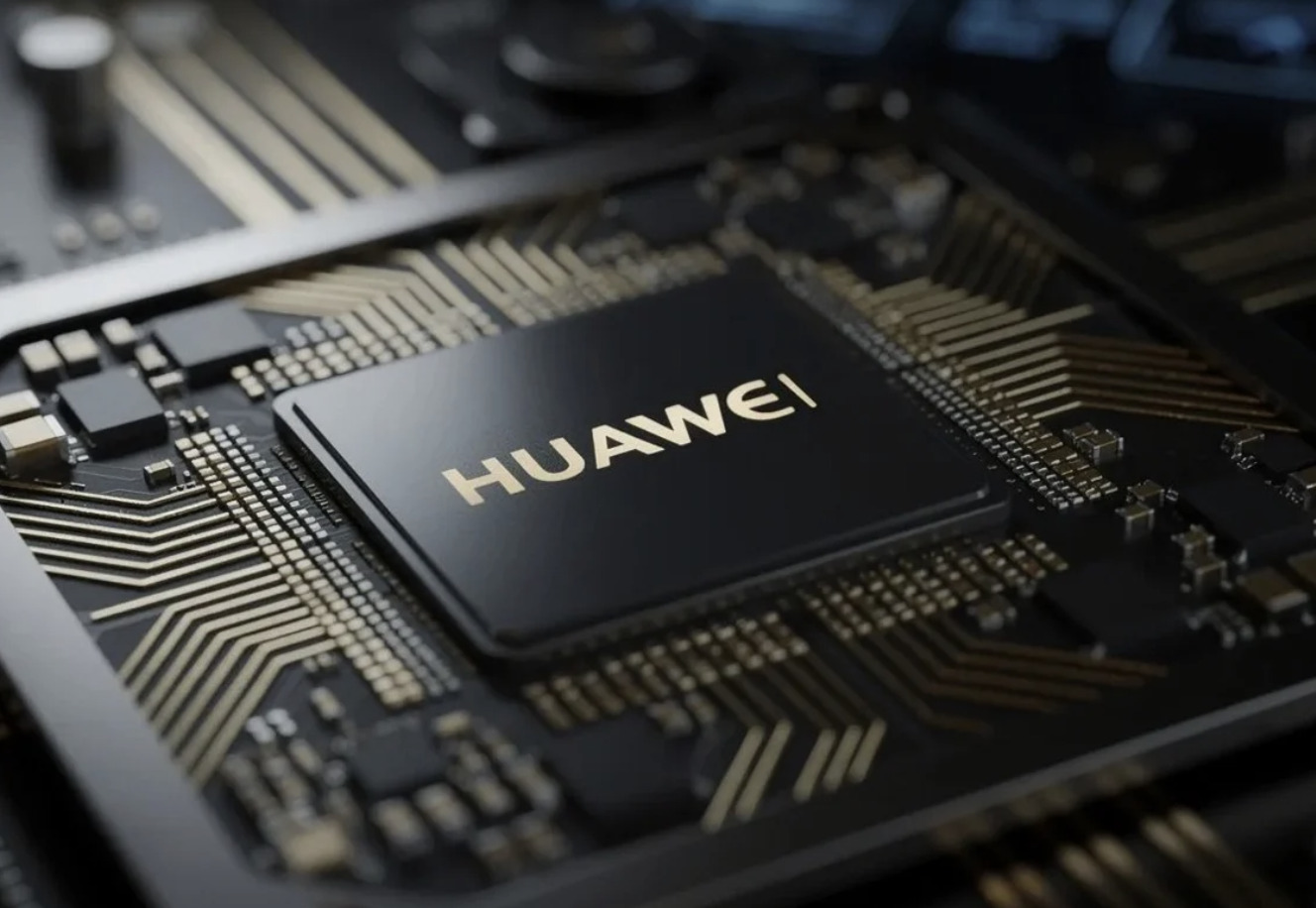
AI developers still train China’s most advanced artificial intelligence models on Nvidia chips. Consequently, the prohibitively high cost of switching to local semiconductors heavily hampers Beijing’s push for tech self-sufficiency. While domestic hardware advances rapidly, changing the core chip architecture presents a steep engineering bottleneck. One major hurdle lies directly in the software ecosystem. Nvidia’s Compute Unified Device Architecture (CUDA) platform remains the dominant industry standard for AI development. By contrast, Huawei Technologies’ alternative requires developers to rewrite and optimize large amounts of complex code.
Engineering and Software Bottlenecks
Migrating existing workflows to Huawei’s Ascend chips could add at least 50 percent in time and costs. For open-source models like DeepSeek, engineers can leverage existing community support. Therefore, adapting these open systems to domestic chips might only take an extra month. However, adapting closed-source models requires much more manual effort. For example, porting Moonshot AI’s Kimi K3 could demand over six months of additional work from a large team. Ultimately, this massive software barrier keeps Chinese AI developers highly reliant on foreign technology.
Domestic Alternatives and Future Outlook
Despite these severe software challenges, domestic labs rush to advance their local AI capabilities. Training an AI model requires complex resources, but the subsequent inference process is much easier. Tech giants successfully run inference workloads for systems such as DeepSeek-V4 and Kimi K3 on Chinese platforms like Huawei and Alibaba. Furthermore, some Chinese teams recently started using local chips for full AI training. For instance, Meituan fully trained its massive LongCat-2.0 model on a domestic computing cluster. Nevertheless, utilizing Nvidia hardware for training frontier models remains the standard industry practice today.
Reference
Chang, M., & Chang, M. (2026, 10 agosto). China’s top AI is still trained on Nvidia chips. What is delaying a switch to local tech? South China Morning Post. https://www.scmp.com/tech/big-tech/article/3363491/chinas-top-ai-still-trained-nvidia-chips-what-delaying-switch-local-tech?module=perpetual_scroll_0&pgtype=article