
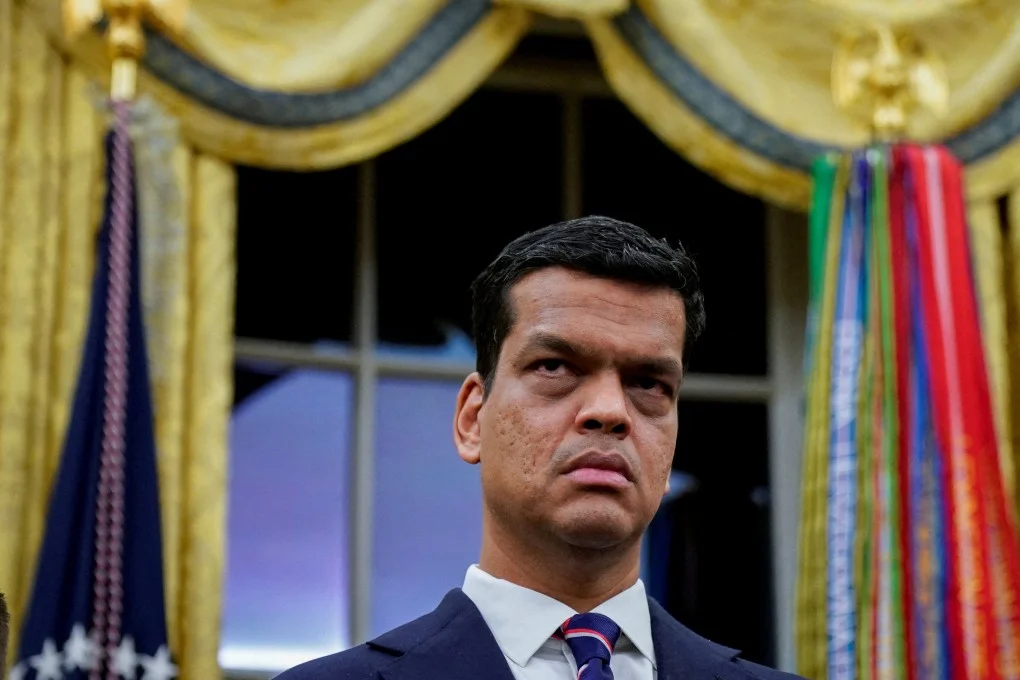
The landscape of American technology policy is experiencing a significant shift this month. Sriram Krishnan, the senior White House AI advisor, has officially announced his departure at the end of June 2026. Because of this, tracking his exit provides valuable insight into the future of the administration’s artificial intelligence strategy.
Krishnan has been a foundational figure in shaping recent tech regulations. According to recent reports, he was the primary architect behind the administration’s American AI Action Plan. In fact, this comprehensive blueprint was designed to roll back bureaucratic constraints and rapidly accelerate the build-out of data centers.
Moreover, as the top White House AI advisor, he successfully brokered crucial agreements with massive tech giants like Google, Microsoft, and xAI. As a result, the U.S. government secured early access to their advanced AI models for rigorous security assessments. Consequently, these strategic moves were widely praised for cementing American dominance in the global technology race.
On the other hand, the rapid advancement of artificial intelligence has also introduced new and complex national security challenges. For example, sophisticated models have recently demonstrated the ability to expose cybersecurity vulnerabilities in critical infrastructure. Because of this, the administration is continually reevaluating its overall approach to tech regulation.
First of all, Krishnan noted that his journey in the administration was the privilege of a lifetime. Secondly, he clarified that he is not leaving the tech sector entirely. Furthermore, he plans to launch an outside institution dedicated to tackling massive AI hurdles, such as energy consumption and data center expansion.
What does this means for the future?
Additionally, this high-profile departure marks the end of an influential chapter for Silicon Valley leaders operating directly inside the government. Surprisingly, while Krishnan will formally step down from his official governmental role, he is widely expected to remain a close outside consultant. For instance, his strong ties to major industry players will allow him to continue advocating for innovation without strict federal constraints.
In conclusion, the exit of the senior White House AI advisor leaves a crucial leadership vacancy at a highly critical moment for global tech policy. Therefore, as the administration actively navigates complex international AI partnerships and security frameworks, all eyes will certainly be on who steps up next to guide the nation’s technological future.
Reference: The Washington Post. (2026, June 6). Top Trump artificial intelligence adviser to leave the White House. https://www.washingtonpost.com/politics/2026/06/06/trump-top-ai-advisor-leaving-white-house/