
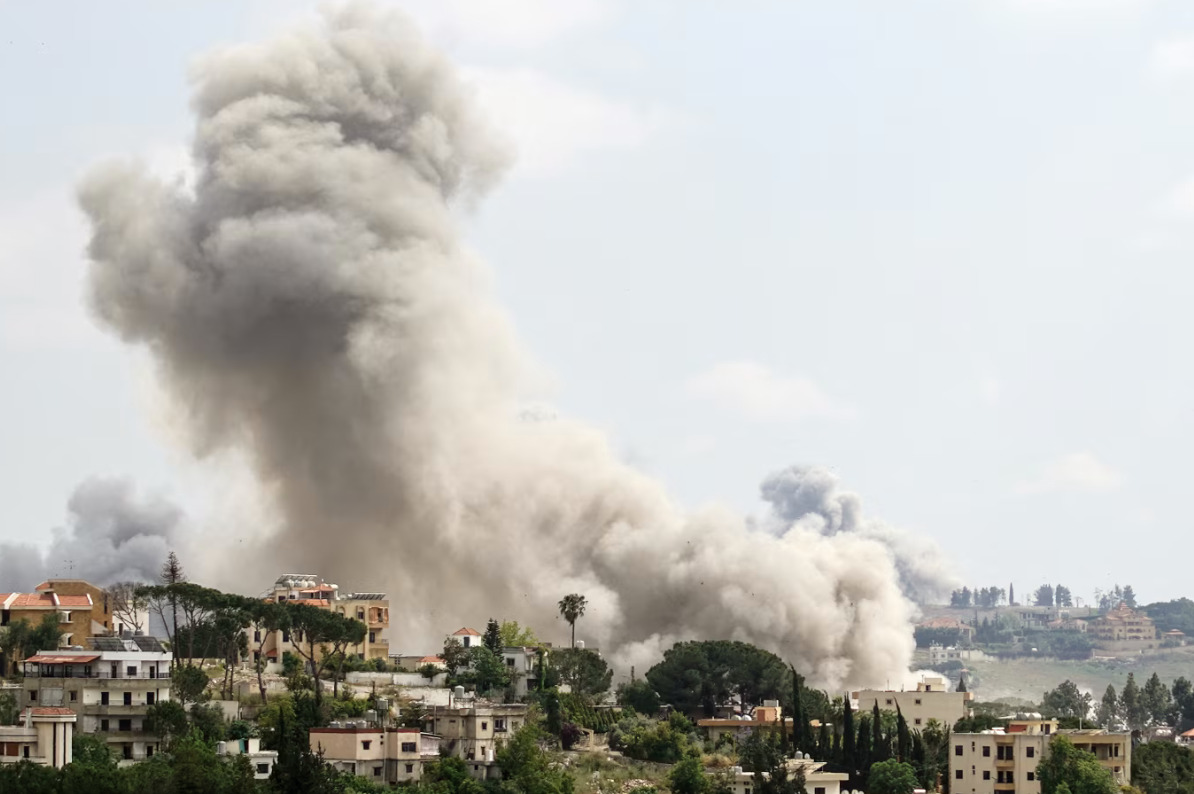
The global economy is bracing for a significant slowdown this year as soaring energy costs weaken both consumer spending and business investment. According to a new quarterly report from the Paris-based Organisation for Economic Co-operation and Development (OECD), worldwide output is projected to grow by 2.8% in 2026, assuming energy production and transit through the Strait of Hormuz normalize later this month. However, if the Middle East conflict drags on into next year, global growth could plummet to 2.1% in 2026 and a mere 1.8% in 2027. This protracted scenario would represent the weakest year of economic expansion this century, excluding the 2009 global financial crisis and the 2020 pandemic.
Regional Impacts and Vulnerable Economies
Should the conflict be prolonged, economies across Asia would be heavily battered due to their high reliance on energy inputs transiting from the Persian Gulf. The economic shockwaves would also trigger higher inflation, widespread shortages, and tighter financial conditions that would significantly weaken growth across Europe and North America.
Furthermore, OECD Chief Economist Stefano Scarpetta warned that developing nations would suffer the most severe consequences. These poorer countries often have limited energy reserves, constrained fiscal capacities, weak social safety nets, and rely heavily on crop fertilizers produced with Gulf chemicals, making them highly susceptible to severe economic recessions.
Threats to Inflation and Artificial Intelligence
A prolonged disruption in the Gulf would also severely threaten the booming artificial intelligence sector, which has been a critical driver of recent U.S. economic growth. The OECD noted that energy accounts for 60% of data center costs, and advanced semiconductor manufacturing heavily relies on helium, with a third of the global supply sourced directly from the Gulf.
Consequently, an extended conflict would likely drive inflation across the G-20 economies up to 4.7% by 2027. In response to this inflationary pressure, central banks might be forced to raise key interest rates by up to three-quarters of a percentage point. Additionally, institutions that are currently reducing their bond portfolios might have to suspend that process or even resume quantitative easing programs to stabilize volatile bond markets.
Reference
Timiraos, N., & Stevis-Gridneff, M. (2026, junio 3). OECD warns of severe global slowdown if Middle East conflict is prolonged. The Wall Street Journal. https://www.wsj.com/economy/global/oecd-warns-of-severe-global-slowdown-if-middle-east-conflict-is-prolonged-53b41781