
US Assurances to India on AI Access
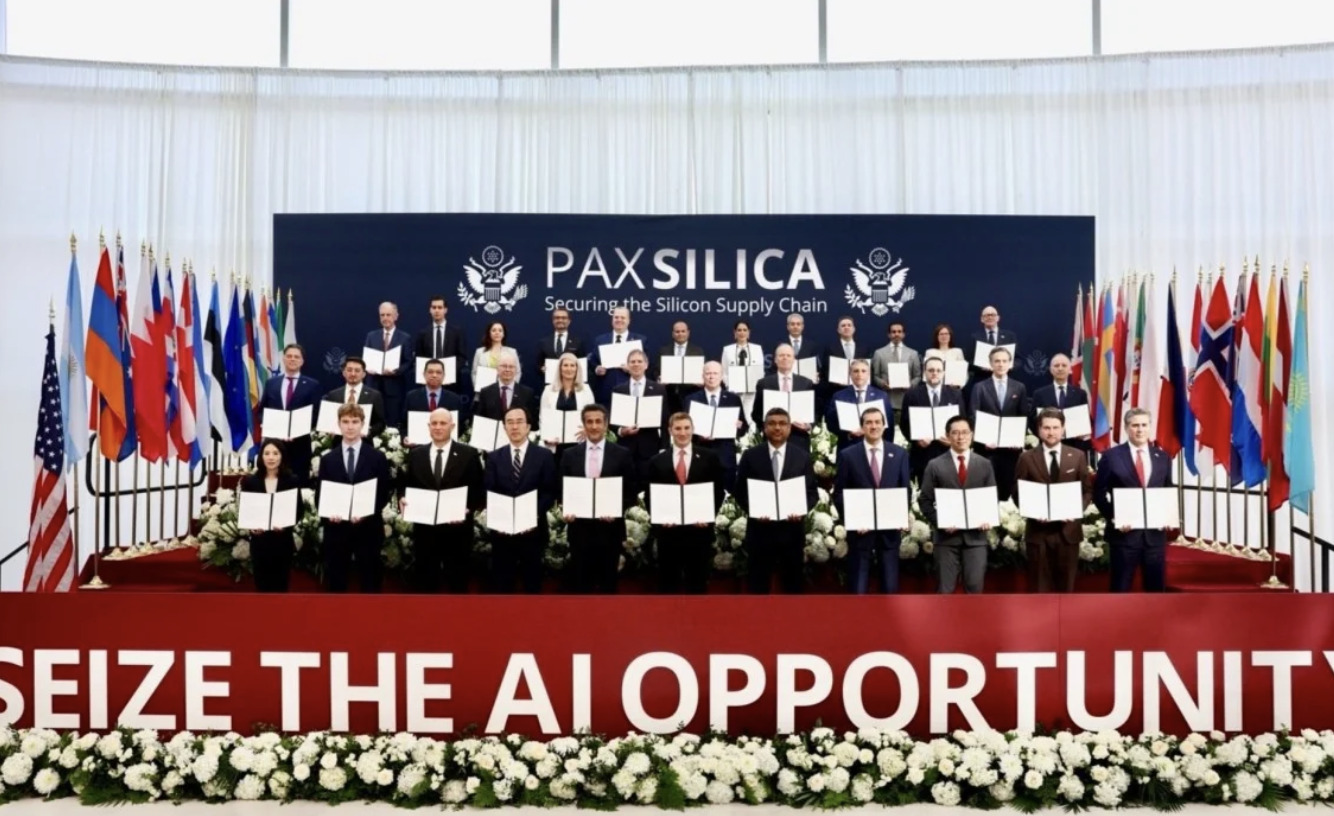
The United States assured India that future artificial intelligence models will not be cut off, following Washington’s abrupt ban on Anthropic’s advanced models due to national security concerns. S. Krishnan, secretary of India’s Ministry of Electronics and Information Technology, confirmed that the US pledged to maintain technological access once it is provided. This assurance was discussed on the sidelines of the Pax Silica summit in Washington, a US-led initiative aimed at building artificial intelligence supply chains independent of China. US officials noted that their primary concern revolves around how these models could potentially be used, prompting an internal review mechanism before release.
The Anthropic Ban and Global Reactions
In early June, the Trump administration issued an export control directive that barred foreign nationals from using Anthropic’s most advanced models, Fable 5 and Mythos 5. Consequently, the company disabled access worldwide without any prior warning. This strict restriction sparked significant unease in allied capitals and renewed global efforts to achieve digital sovereignty. Leaders like French President Emmanuel Macron and Canadian Prime Minister Mark Carney heavily criticized the move, highlighting the severe risks of overreliance on American technology and calling for reduced digital dependencies.
The Rapid Expansion of Pax Silica
Despite growing international concerns over technological dependence, the Pax Silica initiative continues to expand rapidly. The European Union, the Netherlands, Germany, and Greece recently joined the initiative, with several Latin American and Central Asian nations set to be formally admitted. The coalition focuses on securing AI-related supply chains and creating sustainable ecosystems across semiconductors, logistics, and critical minerals. According to sources close to the discussions, China’s ambitions and its dominance in critical mineral supply chains remain the major binding factors for this informal grouping of nations.
Strategic Initiatives and Economic Security
To further strengthen this network, US officials announced Pax Pass, a $50 million platform designed to help members move high-value AI products through the Panama Canal using AI-powered risk assessments and expedited processing. Furthermore, officials highlighted a newly announced economic security zone with the Philippines, hoping it will be the first of many across the network, despite local political backlash over US jurisdictional issues. Ultimately, these strategic moves align with the Trump administration’s intensified focus on China, as US Treasury Secretary Scott Bessent recently stated that China’s AI advancements pose a far greater risk than domestic concerns over safety or job losses.
Reference
Seth, N., & Seth, N. (2026, 25 junio). Exclusive | US assures India over AI ‘kill switch’ as ‘Pax Silica’ expands in bid to counter China. South China Morning Post. https://www.scmp.com/news/us/article/3358397/us-assures-india-over-ai-kill-switch-pax-silica-expands-bid-counter-china?module=perpetual_scroll_0&pgtype=article