
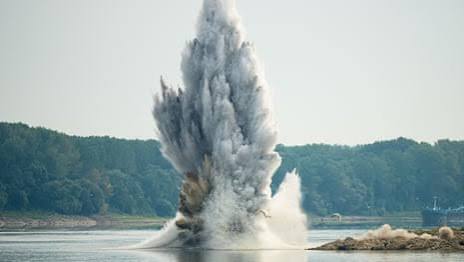
A severe drought and extreme heatwave have driven the Danube River to record-low water levels, triggering a critical energy crisis across southeastern Europe. This as key nuclear and hydroelectric power plants struggle to access necessary cooling water. In Romania, naval forces used 180 kilograms of explosives in a controlled blast. Obviously to clear a rock obstruction and divert water toward the sole operational reactor at the Cernavodă nuclear plant. The operation followed a nationwide state of emergency declared for August due to sharp drops in electricity generation caused by forced reactor shutdowns.
Neighboring countries face similarly dire shortages. In Hungary, the Paks nuclear power station, which typically supplies nearly half of the nation’s electricity, has been forced to operate at less than half capacity. Officials warn that a complete multi-week shutdown of the plant may be unavoidable if shallow river conditions persist. Meanwhile, in Serbia, low water flows have reduced output at the country’s main hydroelectric facility to just 20 percent of its capacity. To prevent grid collapse, impacted nations are relying on expensive power imports while enforcing voluntary consumption reductions across major industries and the public.
In conclusion, with no significant rainfall forecasted in the near term, the historically low water levels along the Danube demonstrate how extreme climate events can severely jeopardize critical infrastructure. Until river levels recover, regional energy stability remains fragile, forcing nations to rely on extraordinary emergency interventions, imported electricity, and strict conservation measures to maintain basic power supplies.
Reference
Tondo, L. (2026, August 3). Romania blasts rock to divert water from drought-hit Danube to nuclear reactor. The Guardian; The Guardian. https://www.theguardian.com/world/2026/aug/03/romania-blasts-divert-danube-water-nuclear-reactor-energy-crisis-hungary