
Multiple Crises Are Reshaping Europe’s Security Landscape
According to The New York Times, Europe is confronting an unprecedented convergence of challenges as the continent simultaneously struggles with the war in Ukraine, increasingly destructive wildfires fueled by extreme heat and rising migration pressures along its southern borders. Rather than treating these issues separately, European governments are increasingly recognizing that security, climate change and migration have become deeply interconnected policy challenges requiring coordinated responses.
Climate Change Intensifies Wildfire Risks
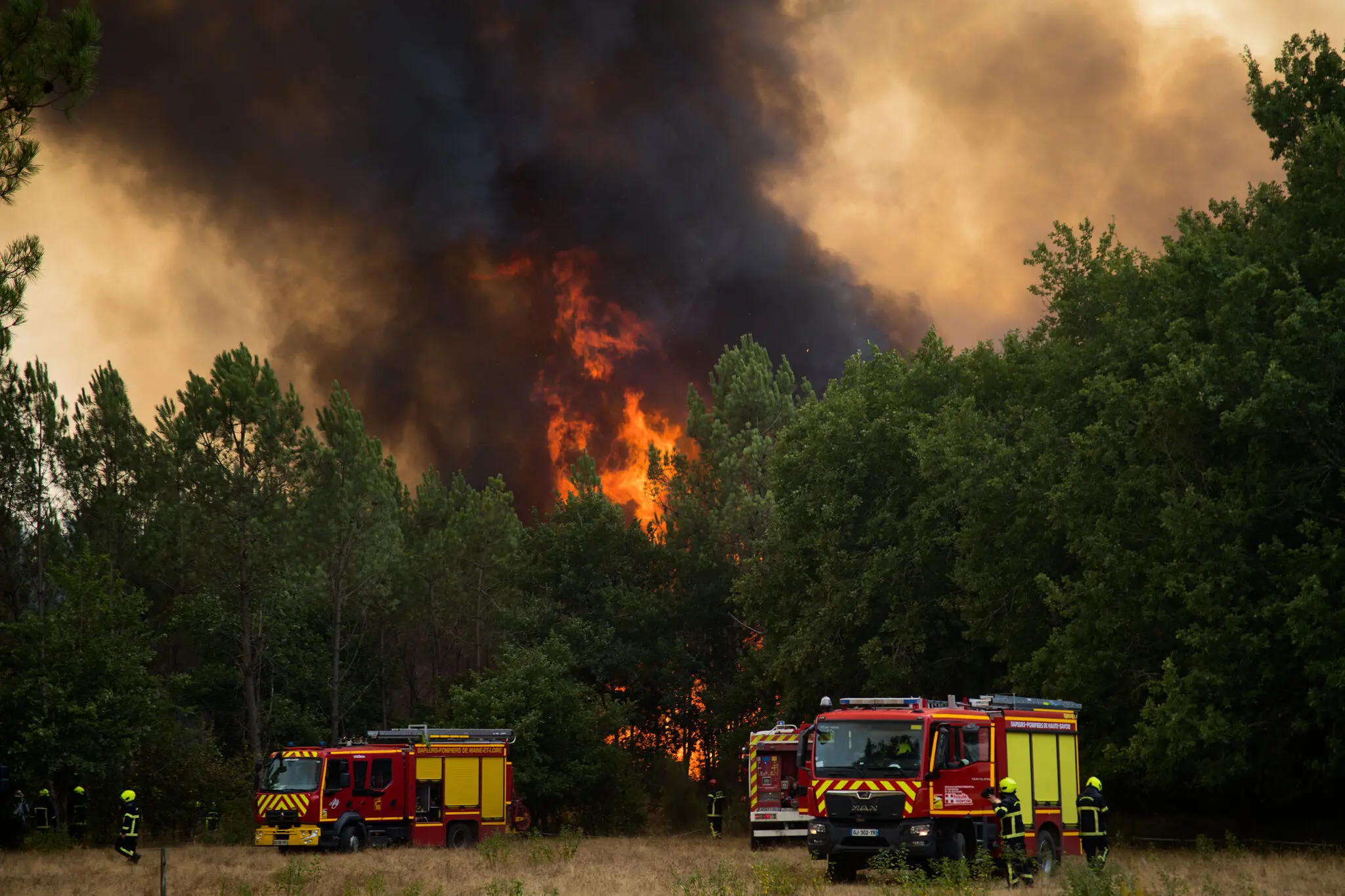
Record-breaking temperatures and prolonged drought have contributed to one of Europe’s most severe wildfire seasons in recent years. Countries including France, Greece, Spain and Italy have experienced large-scale fires that have destroyed homes, forced mass evacuations and strained emergency services. Scientists warn that climate change is making heatwaves and wildfire seasons longer and more intense, forcing governments to invest more heavily in disaster prevention and climate adaptation.
Migration Pressures Continue to Test European Unity
At the same time, irregular migration remains a major political challenge for the European Union. Increased arrivals through the Mediterranean and North Africa have renewed debates over border security, asylum policies and burden-sharing among member states. The migration issue has also fueled political tensions within Europe as governments seek to balance humanitarian responsibilities with domestic security concerns.
War in Ukraine Continues to Shape European Priorities
Russia’s war against Ukraine remains the central geopolitical concern for European governments. Military assistance, defense spending and energy security continue to dominate the European agenda while leaders also confront new hybrid threats, cyber risks and regional instability. The conflict has reinforced the need for greater strategic coordination among NATO and European Union members.
Europe Adapts to an Era of Compound Crises
The article argues that European policymakers are increasingly forced to manage several major crises simultaneously. Climate emergencies, armed conflict and migration flows are no longer isolated events but overlapping challenges that influence economic stability, public finances and political cohesion. This evolving security environment is reshaping long-term European policy on defense, resilience and crisis management.
International Relevance
Overall, The New York Times illustrates how Europe is entering an era in which geopolitical conflict, climate change and migration reinforce one another, creating increasingly complex policy challenges. For the OGU, the topic is internationally relevant because it connects international security, climate change, migration governance, humanitarian policy and regional cooperation within one of the world’s most influential political and economic regions.
Reference: The New York Times. (2026, August 6). Europe Faces a Triple Crisis of War, Wildfires and Migration. https://www.nytimes.com/2026/08/06/world/europe/europe-war-wildfires-migration.html