
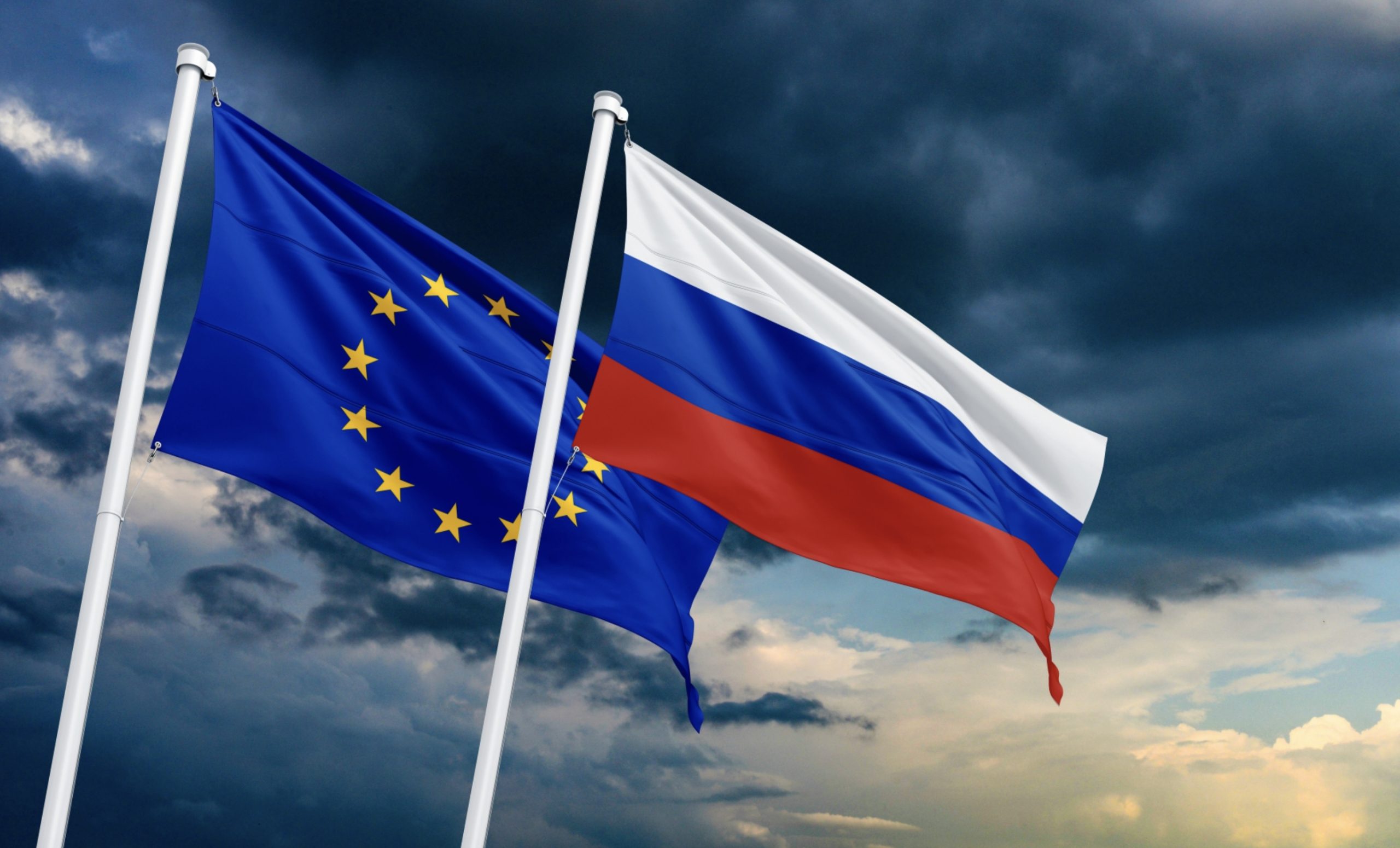
The New European Sanctions
The European Union officially announced its 21st package of Russia sanctions on July 23. These new energy-related measures include freezing the crude oil price cap at $44 per barrel through July 2027. Additionally, the package restricts transactions with select Russian oil refineries and strictly monitors the sale of liquefied natural gas (LNG) tankers. Furthermore, authorities banned the transport of Russian LNG, although a controversial exemption allows Greek ships to transport arctic-sourced Russian LNG. Alongside these measures, the EU successfully sanctioned an additional 40 shadow fleet vessels used by Russia to circumvent the G7 price cap.
The Transatlantic Sanctions Divide
Over the past two years, Europe has emerged as the clear global leader in targeting the Russian shadow fleet. As of July 2026, the EU actively sanctions a stunning 671 ships, while the UK independently sanctions 621 vessels. Conversely, the United States has not sanctioned any new shadow fleet vessels since the conclusion of the Biden presidency. The Trump administration largely avoids new Russian sanctions, except for a major joint effort targeting Russian energy companies Rosneft and Lukoil. However, recent price pressures from the war with Iran prompted the US to issue waivers for selling stranded Russian oil, heavily offsetting the initial impact of those corporate sanctions.
Weak Efficacy and Future Actions
Despite strong European coordination, these regional sanctions currently have only a limited impact on Russian oil exports. Consequently, shadow fleet activity has grown sharply, carrying roughly 70 percent of total export capacity out of Russia’s Baltic ports in 2025. To create a substantial impact, analysts argue that the US must actively sanction the additional 518 tankers currently designated by the EU and UK. While the US Treasury hesitates due to oil price pressures, the US Senate recently advanced the Shadow Fleet Sanctions Act to aggressively force the issue. Alternatively, Europe could strictly hold flag states like Panama, Liberia, and Barbados accountable, potentially reducing Russian Baltic revenues by 14 percent.
Reference
Harris, B., & Brooks, R. (2026, 6 agosto). An update on Europe’s Russia sanctions. Brookings. https://www.brookings.edu/articles/an-update-on-europes-russia-sanctions/?utm_campaign=Brookings%20Brief&utm_medium=email&utm_content=432144006&utm_source=hs_email