
Negotiations Without Clear Progress
Venezuela’s latest attempt at political dialogue has raised hopes after more than a dozen failed negotiation efforts. The current process began after the US operation that removed Nicolás Maduro from power in January 2026. With Delcy Rodríguez leading the interim government, Washington appeared to have greater influence over Venezuela’s political direction. However, the first two meetings offered little evidence of meaningful progress.
The initial meeting between government negotiator Jorge Rodríguez and opposition representative Dinorah Figuera was conducted by telephone. Their statements mentioned broad topics for future discussions, but provided no concrete plans for electoral reforms or a timetable. Important issues also remained undefined, including the release of political prisoners and the restoration of democratic rule of law.
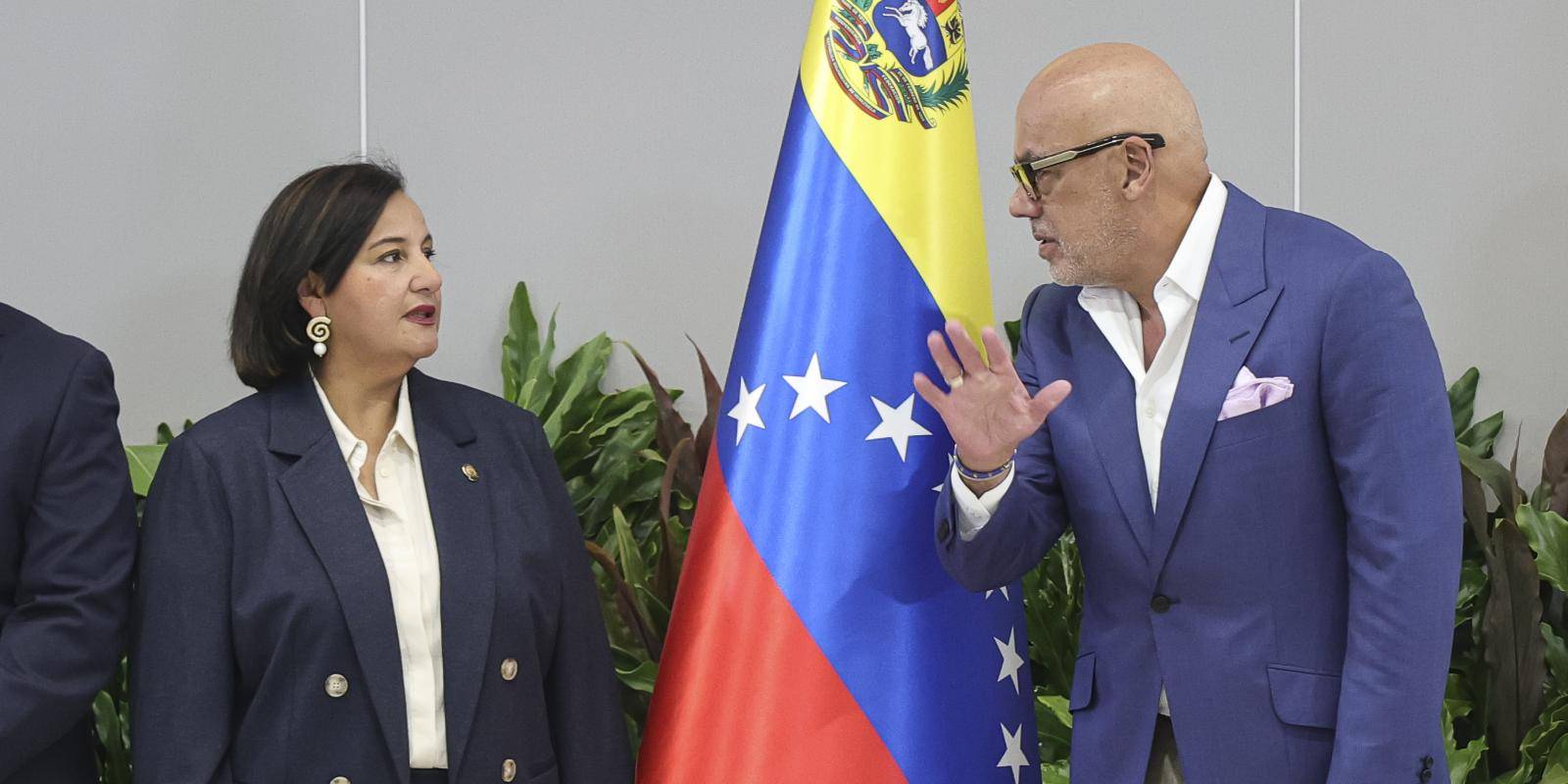
A second meeting took place in Caracas on 6 August, but produced similarly limited results. Although Figuera and Rodríguez met personally, the discussions remained general and lacked a neutral mediator. The participants mentioned democracy, political rights and assistance for earthquake victims, yet failed to agree on the release of hundreds of political prisoners. They did not even establish a date for another meeting.
A Deepening Political Frustration
Meanwhile, Venezuelans are facing the consequences of a devastating earthquake and growing dissatisfaction with the interim government. The disaster could have created an opportunity for national solidarity and broader political cooperation. Instead, the negotiations appear to be repeating an older pattern of delays, vague commitments and discussions without measurable outcomes.
This pattern carries particular weight because previous negotiations have often been used to postpone political decisions. In 2024, an agreement between the government and opposition helped create conditions for presidential elections. However, Maduro’s electoral authorities declared a government victory despite lacking supporting evidence. International and domestic monitors reached different conclusions, while the opposition candidate obtained nearly seventy percent of the popular vote.
Against this background, the exclusion of María Corina Machado and Edmundo González Urrutia has generated additional skepticism. Both leaders possess substantial popular support and refused to participate after being left outside the negotiations. Their absence may simplify discussions over electoral rules, but it also raises questions about how representative the process can be.
There is a possible rationale for excluding them, particularly if their direct participation could complicate negotiations over an election they expect to contest. Machado’s previous reluctance toward negotiations could also make compromise more difficult. Still, these considerations depend on the assumption that the current process will produce serious discussions with concrete commitments.
The Importance of US Pressure
Washington’s role remains decisive. The United States has significant leverage over Venezuela’s interim government, yet the negotiations have so far lacked clear objectives, deadlines and mechanisms for enforcing commitments. Without those elements, dialogue risks becoming another way to postpone difficult political decisions.
Moreover, there are reasons to question Washington’s willingness to accelerate democratic change. The administration appears concerned that rapid political opening could generate uncertainty and conflict. Maintaining stability may therefore take priority over quickly establishing conditions for competitive elections.
Essentially, the negotiations will depend heavily on whether the United States uses its influence to demand measurable progress. Dialogue alone cannot guarantee political change when previous processes have repeatedly failed to produce lasting commitments. For Venezuelans seeking democratic reform, the central issue is therefore whether negotiations will finally deliver concrete results rather than another cycle of promises without implementation.
Reference: Sabatini, C. (2026, August 11). Can negotiations between Venezuela’s government and opposition succeed? Chatham House. https://www.chathamhouse.org/2026/08/can-negotiations-between-venezuelas-government-and-opposition-succeed