
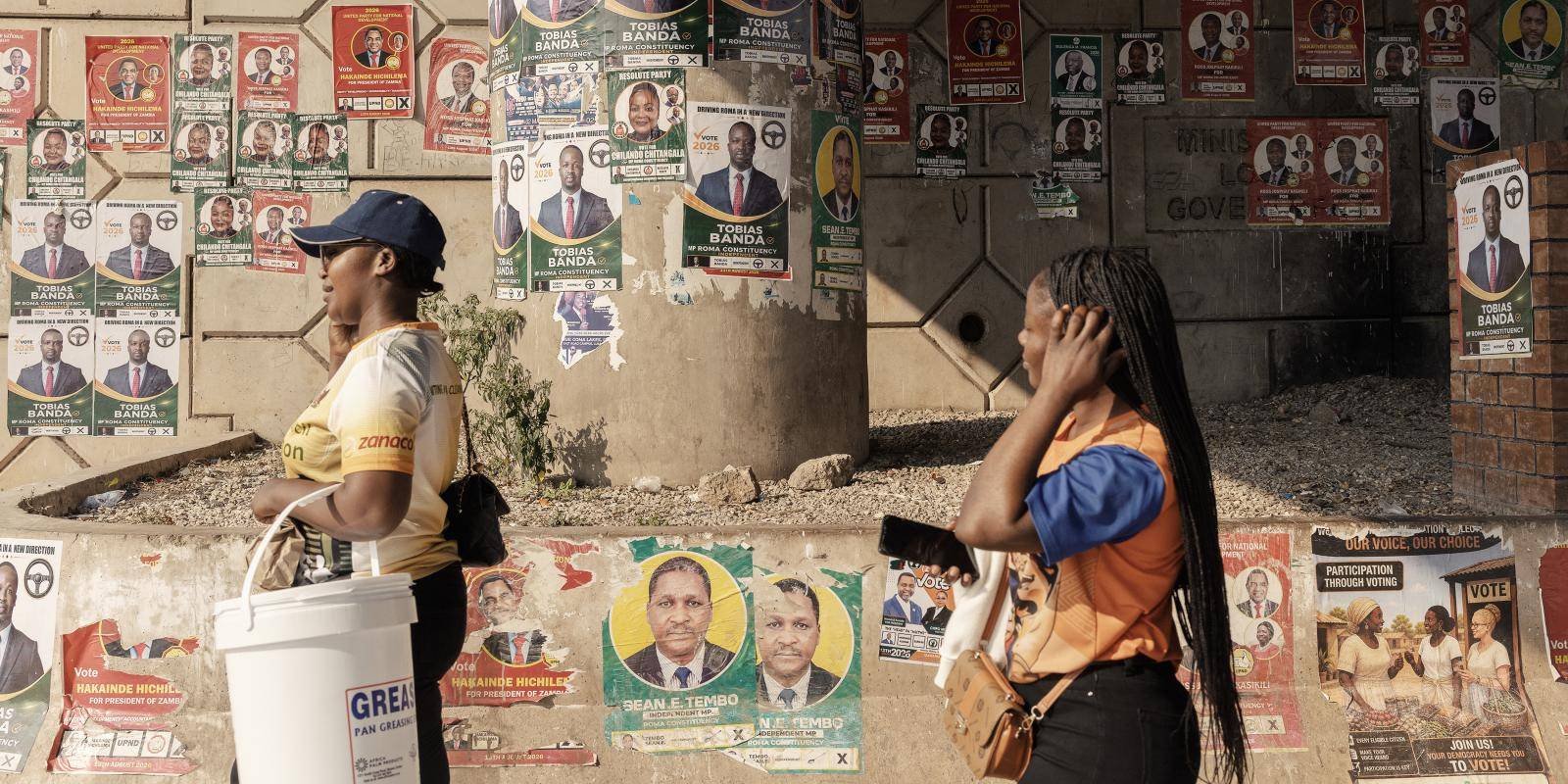
Zambia’s 2026 election carries significance beyond its borders, placing the country’s democratic reputation under renewed scrutiny.
President Hakainde Hichilema enters the election after pursuing difficult economic reforms and restructuring Zambia’s substantial debt. These efforts improved the country’s international financial standing and helped stabilize its broader economic position. Yet those achievements remain distant from many voters who have seen limited improvements in everyday life.
Meanwhile, copper remains central to Zambia’s economic ambitions and its ability to generate foreign exchange. The government aims to more than triple annual production, requiring major investment and several new mines. Although this goal has attracted international attention, investment promises have yet to become production or substantial public revenue.
Moreover, uncertainty surrounding mining regulations has complicated efforts to attract long-term investment. Some investors have expressed concern about resource nationalism and alleged discretionary changes affecting mining licences. Consequently, maintaining a predictable policy environment will be essential if Zambia hopes to transform mineral wealth into broader economic benefits.
The Democratic Test
Economic performance, however, is only one part of Hichilema’s political challenge. His history as an opposition leader was closely connected to defending democracy and political pluralism. After repeatedly challenging electoral defeats, he eventually won the presidency in 2021 after five attempts.
That history now creates an important political expectation. Hichilema inherited institutions that helped bring him to power, meaning his mandate also carries responsibility for protecting them. Yet opposition groups accuse his government of restricting their campaigning, while Hichilema denies those allegations.
At the same time, concerns about authoritarian drift have become increasingly difficult to dismiss. Critics have raised particular concerns about freedom of expression, political criticism, and individual rights. New cyber legislation has also drawn criticism for expanding surveillance and potentially encouraging self-censorship among journalists.
Still, the situation does not amount to a complete democratic breakdown. Some controversial legislative proposals were removed before reaching presidential approval. This suggests that the government has attempted to balance political control with pressure from domestic and international critics.
An Election Under Scrutiny
Beyond political rhetoric, changes to Zambia’s electoral framework have generated more questions. Parliamentary representation has been altered, electoral boundaries have changed, and new wards have appeared in areas considered favourable to the incumbent. Some nomination requirements have also been criticized as potentially benefiting Hichilema’s party.
Nevertheless, these changes have not yet been judged sufficient to seriously undermine the electoral process. The greater concern may emerge during the vote itself, particularly if results are delayed. Prolonged announcements could strengthen perceptions of manipulation and potentially trigger unrest.
For that reason, domestic and international observers will have an especially important role. The European Union, African Union and Southern African Development Community are expected to complement local monitoring efforts. Their presence becomes more significant following the death of former president Rupiah Banda, who helped manage Zambia’s previous transfer of power.
Their challenge will be delicate. Observers must identify irregularities and defend agreed democratic standards without treating Zambia as an inherently unstable state. A credible mission should therefore strengthen Zambia’s democratic institutions rather than simply prepare for political crisis.
Ultimately, Hichilema’s second-term ambitions place him before a difficult choice. Economic predictability may attract investors, but lasting confidence also depends on credible democratic institutions. International partners therefore face a similar dilemma, since their economic interests cannot be separated from Zambia’s political stability.
The central test is consequently broader than who wins the presidency. Hichilema’s democratic reputation will depend on how power is exercised after victory. Preserving that reputation requires restraint, institutional protection, and respect for political competition. Without those safeguards, economic progress could coexist with weakening democratic foundations.
Reference: Vandome, C. (2026, August 10). Zambia’s election: President Hichilema must preserve his country’s democratic reputation. Chatham House. https://www.chathamhouse.org/2026/08/zambias-election-president-hichilema-must-preserve-his-countrys-democratic-reputation