
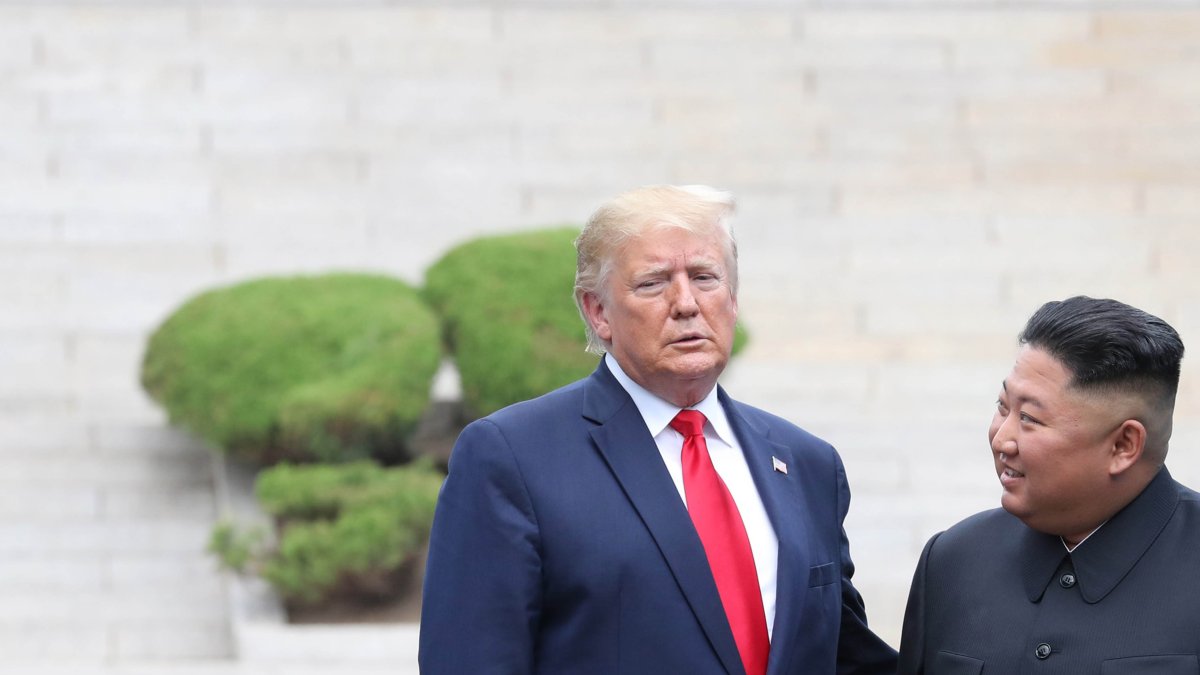
A panel hosted by the Center for Strategic and International Studies (CSIS), foreign policy experts Victor Cha, Sydney Seiler, and Andrew Yeo. They analyzed the diplomatic fallout after U.S. President Trump. In short, ordered the Pentagon to scale back major joint military exercises with South Korea. Moderated by former Ambassador Mark Lippert, the discussion focused on Trump’s rationale: lowering financial costs, avoiding provocation of Pyongyang. Also, publicly criticizing South Korea’s limited assistance with Middle-Eastern conflicts. Meanwhile, signaling a desire for renewed summitry with Kim Jong-un.
The panel underscored the strategic tension created by this decision. While military commanders view these exercises as critical for maintaining readiness. Especially given North Korea’s recent tactical developments and lessons learned from the conflict in Ukraine, Trump is using the military maneuvers as leverage for direct negotiations. Experts warned that while this tactical concession might open a window for leader-to-leader diplomacy. In addition, it risks undermining alliance credibility, creating regional uncertainty, and signaling a weakened U.S. commitment to Indo-Pacific security.
In conclusion, the CSIS experts concluded that while scaling down joint military exercises offers short-term diplomatic leverage to engage Pyongyang, it compromises military readiness and strains relations with Seoul. Ultimately, pursuing high-stakes direct diplomacy at the expense of core alliance commitments presents significant long-term risks to stability across the Korean Peninsula and the broader region.
Reference
Emergency Episode: What’s Happening with Korea? Military exercises, Kim Jong-un and Iran. (2026, August 17). CSIS; Center for Strategic and International Studies. https://www.csis.org/analysis/emergency-episode-whats-happening-korea-military-exercises-kim-jong-un-and-iran