
The Case Against Pessimism and the Path to a New Allied Order
Why the Alliance System Can Endure
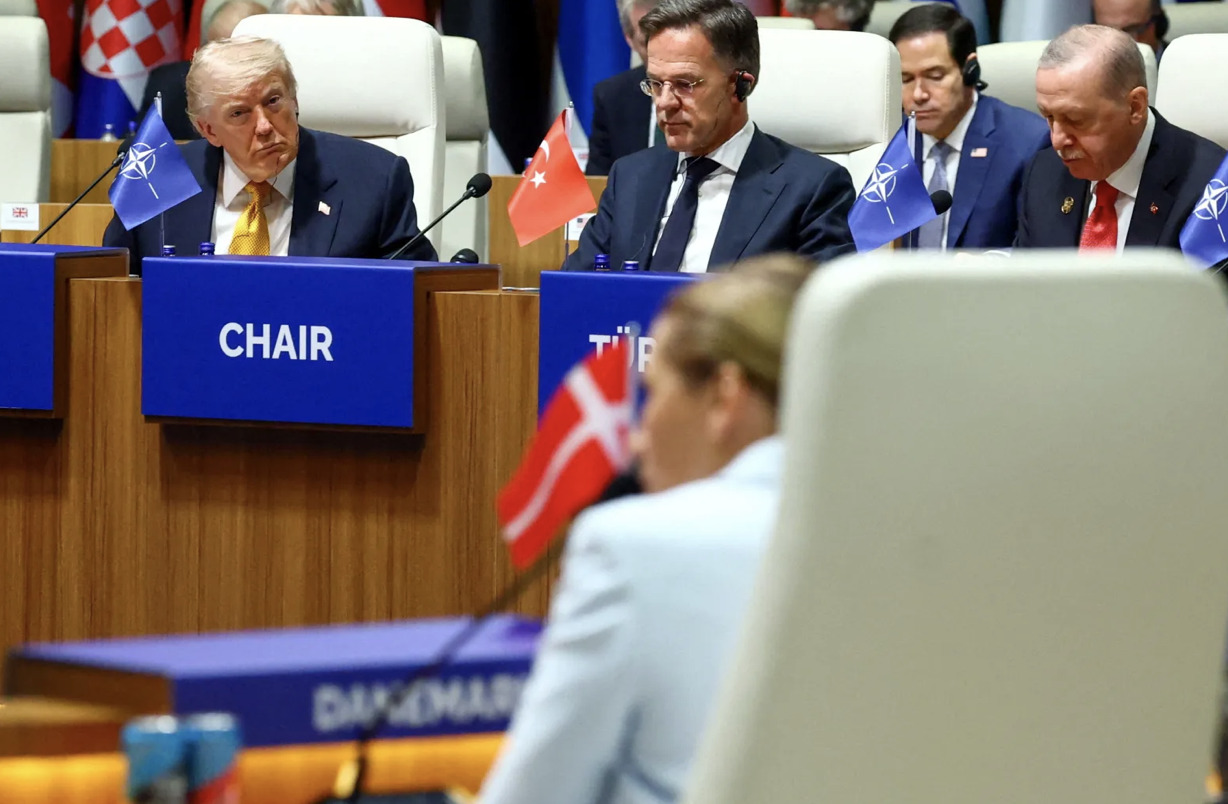
Donald Trump’s second administration has severely strained relations with U.S. allies by threatening Greenland and NATO, withdrawing troops from Germany, interfering in allied elections and imposing tariffs on partners. These actions have led many leaders and analysts to believe that trust in Washington may never fully recover. However, Kurt M. Campbell and Rush Doshi argue that this pessimism is exaggerated and could become self-fulfilling if policymakers stop working to preserve the alliance system.
Despite current anger, three forces continue to hold the alliances together. Past partnerships survived crises at least as serious as the present dispute, while many current tensions reflect presidential personality more than a permanent political change. At the same time, threats from China and Russia are growing and converging. Economic, technological and military ties also continue to deepen, supported by professional networks that maintain cooperation away from public political conflicts.
Historical Resilience and Material Ties
Current tensions are often compared with an alliance golden age that never existed. Earlier crises included the Suez confrontation, France’s withdrawal from NATO’s unified command, U.S. troop reductions in Asia, the opening to Beijing and major economic pressure on allies. Nevertheless, the alliance system repeatedly adapted because its underlying incentives remained strong. Public opinion also shows continued support for joint decision-making and confidence that relations can improve after Trump leaves office.
Economic and security realities now create even stronger connections. European and Asian governments increasingly view China and Russia as linked threats, while Europe and the Indo-Pacific are becoming part of one strategic space. Allies depend heavily on the U.S. market, cloud infrastructure, advanced chips, artificial intelligence systems and military capabilities. Meanwhile, Washington relies on allied investment, semiconductor production, specialized industrial technology and defense cooperation. Daily work by military planners, intelligence officers, trade officials and technical experts gives these relationships additional stability.
From Survival to Allied Scale
Campbell and Doshi contend that the available alternatives are worse than a renewed alliance system. Unstructured multipolarity could produce arms races and war, while spheres of influence or a great-power concert would offer limited protection. Partial Chinese preeminence could leave the United States and its partners industrially, technologically and commercially weaker. Instead, the authors propose “allied scale,” in which partners pool markets, investment, technology and military capacity to balance China.
Renewal will require practical reform rather than a return to the past. Washington must rebuild trust, reject military threats against allies and favor legal commitments that can survive changes of administration. Small projects in areas such as pharmaceutical supply chains and munitions production could demonstrate mutual benefits before expanding into broader efforts. Ultimately, alliances should create two-way flows of capacity and support an open, prosperous and technologically dynamic order. The United States and its partners remain dependent on one another, making cooperation essential despite their current disputes.
Reference
How Alliances Survive: The Case Against Pessimism and the Path to a New Allied Order. (2026, 20 agosto). Foreign Affairs. https://www.foreignaffairs.com/united-states/how-alliances-survive-campbell-doshi?utm_medium=newsletters&utm_source=twofa&utm_campaign=How%20Alliances%20Survive&utm_content=20260821&utm_term=FA%20This%20Week_Newsletter