
Foreign Policy Ambitions and Domestic Instability
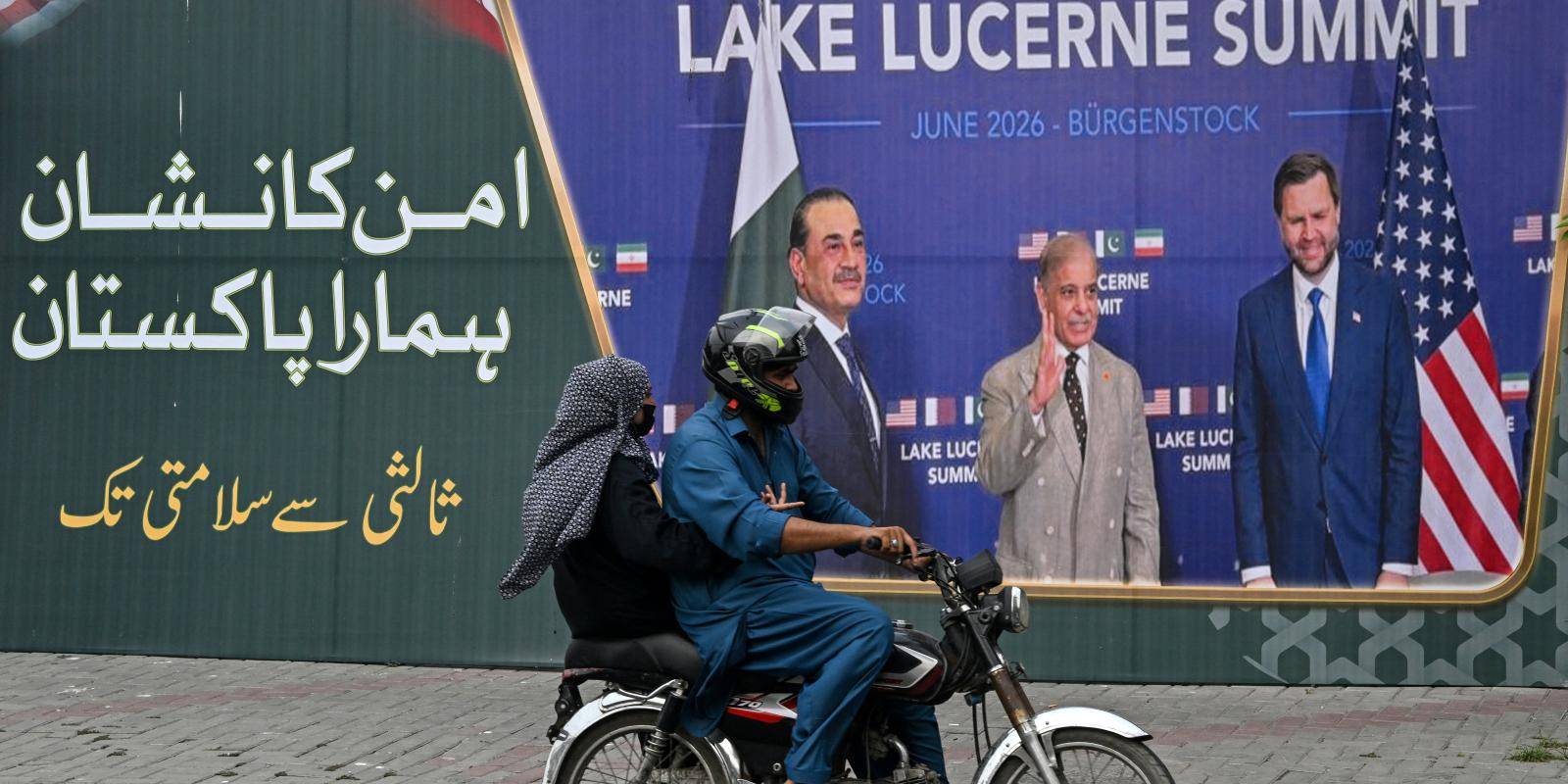
Pakistan has recently sought to convert several diplomatic successes into greater geopolitical influence. Its involvement in mediation between the United States and Iran strengthened its image as a potential bridge between competing powers. The country has also pursued a more ambitious regional role through the Mecca Joint Defence Agreement with Saudi Arabia and Turkey.
The agreement has strategic significance because it places Pakistan alongside two influential regional powers. Meanwhile, Field Marshal Asim Munir has played an progressively visible role in contacts involving Washington and Tehran. These developments have given Islamabad greater international visibility and created expectations about its future diplomatic influence.
Yet Pakistan’s ambitions abroad face a difficult contradiction at home. The country continues confronting serious violence, political tensions and institutional divisions that threaten its domestic stability.
A Growing Internal Crisis
The situation is particularly severe in Balochistan and Khyber-Pakhtunkhwa, where militant violence has intensified. In Balochistan, clashes involving security forces and the Baloch Liberation Army reflect deeper grievances over representation, resources and enforced disappearances. Meanwhile, the attacks by the Pakistani Taliban have increased along the Afghan border, further worsening relations with Kabul.
These conflicts have also exposed divisions within Pakistan’s own leadership. Prime Minister Shehbaz Sharif has called for dialogue in Balochistan, while Munir has rejected negotiations with armed groups. This contrast illustrates the difficulty of developing a coherent response to conflicts involving both security concerns and longstanding political grievances.
Domestic tensions extend beyond the border regions. The protests in Pakistan-administered Kashmir over economic conditions developed into broader demands for political reform. At the same time, Pakistan’s political system remains shaped by a growing imbalance between civilian institutions and the military establishment.
The Limits of Diplomatic Influence
Recent measures expanding Munir’s authority have reinforced concerns about the country’s hybrid political system. Political disagreements over administrative reforms and rumours surrounding Imran Khan have added further uncertainty. These disputes reveal a political environment increasingly marked by institutional competition and limited consensus.
Against this background, Pakistan faces a striking contradiction. Its leadership has demonstrated diplomatic flexibility abroad while often relying on harder approaches toward conflicts within its own borders. Suppressing dissent may provide temporary control, but unresolved grievances can deepen the instability that undermines the country’s international credibility.
In the end, Pakistan’s foreign policy ambitions cannot be separated from its domestic challenges. Diplomatic influence may raise the country’s international profile, but lasting geopolitical relevance requires greater stability at home. The same capacity for dialogue that Pakistan promotes internationally may become more and more necessary within its own borders.
Reference: Shaikh, F. (2026, September 1). Can Pakistan’s foreign policy ambitions survive its domestic challenges? Chatham House. https://www.chathamhouse.org/2026/09/can-pakistans-foreign-policy-ambitions-survive-its-domestic-challenges