
Imports Reveal Two Different EV Markets
Africa’s imports of Chinese electric motorcycles and three-wheelers rose sharply during the first half of 2026. North African countries led the 60% increase, bringing the continent’s imports to $114.6 million. Morocco ranked first with 80,188 units worth $21.7 million, followed by Egypt and Algeria.
Most vehicles entering North Africa are fully built scooters and mopeds for personal commuting and short trips. East and West Africa have a different market. Motorcycles there are usually commercial tools that carry passengers or goods for up to 150 kilometers each day. In sub-Saharan Africa, South Africa recorded the largest import total at 19,635 electric bikes worth $6.9 million.
Local Companies Build Commercial Networks
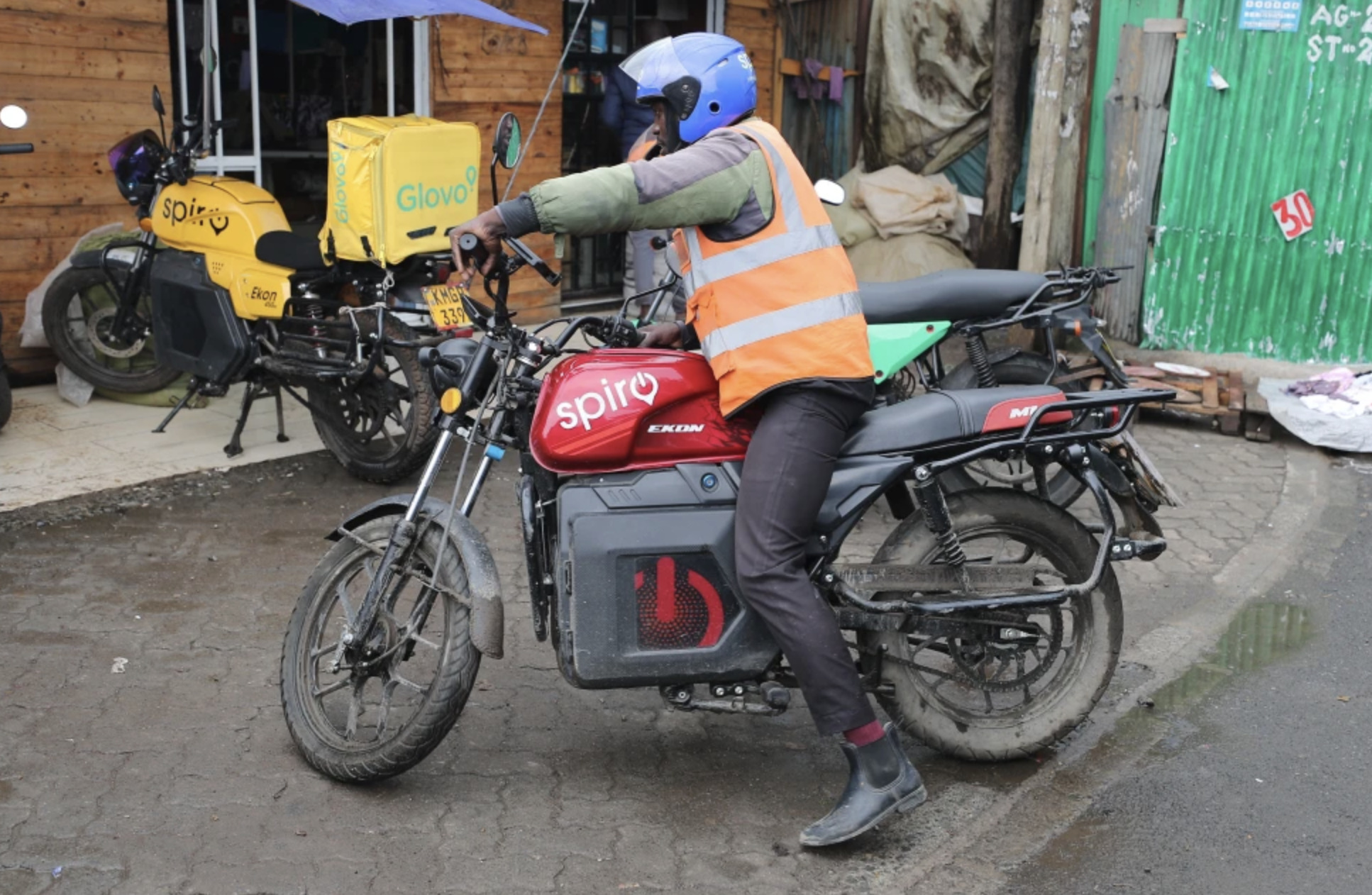
Investment is concentrated in East and Central Africa, where startups are developing assembly plants, charging stations, and battery-swapping systems. Spiro, the continent’s largest electric motorcycle company, raised more than $348 million during the past year. Its business and similar projects focus on motorcycle taxis and delivery services.
Chinese manufacturers provide many motorcycles and important components used across East and West Africa. Local companies then adapt the vehicles for demanding commercial work and manage the supporting energy systems. Battery swapping lets riders exchange an empty battery quickly instead of losing working time while it recharges.
Electric motorcycles represented about 20% of motorcycle sales in Uganda last year and roughly 15% in Kenya. Wider adoption could eventually replace around $600 million in fuel imports for Uganda. The estimated reduction for Kenya ranges from $600 million to $800 million.
Standardization Remains a Major Challenge
Much of the regional industry still assembles imported parts rather than manufacturing complete motorcycles. Motors, controllers, and battery cells generally come from abroad. Meanwhile, factories produce simpler items such as seats, footrests, and metal frames. Analysts see stronger opportunities in services, financing, maintenance, and battery networks for heavily used commercial motorcycles.
However, proprietary batteries, connectors, and software prevent riders from moving easily between swapping networks. This fragmentation limits production scale and reduces the resale value of batteries. Continued growth requires affordable financing, dependable electricity, predictable government rules, stronger charging infrastructure, and greater technical standardization across African markets.
References
Olingo, A. (2026, September 10). Chinese electric bike imports surge as Africa’s EV investments diversify. AP News. https://apnews.com/article/evs-morocco-egypt-spiro-china-d960c37e88dd117e8ee827bdddc67586