
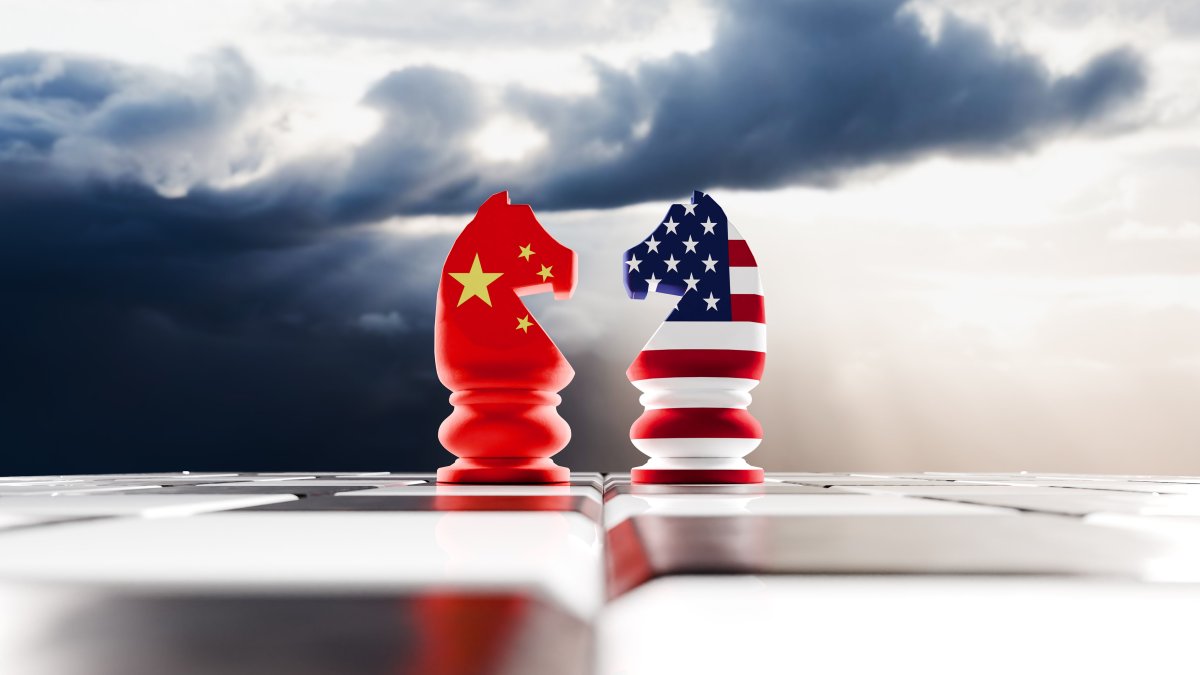
A comprehensive global study reveals that despite intense geopolitical competition, the world’s two largest superpowers consistently fail to secure top rankings in social well-being and quality of life. Updated comparative metrics show that both nations underperform relative to their immense economic and military power. While each country leads in specialized commercial wealth, defense spending, or patent filings, smaller European and Nordic nations dominate primary indicators of human development.
The analysis highlights that high national military budgets and commercial innovation do not translate directly into daily well-being for average citizens. Both global powers rank far behind smaller nations in comprehensive measures of social progress, human development, and general happiness. Furthermore, both countries score poorly on global contribution indexes, indicating that their foreign policies take more resources from international stability than they contribute.
Declining trends are particularly evident in global metrics tracking freedom, democratic governance, and digital rights. The report notes that national prestige in both capitals remains focused on strategic power rather than improving life expectancy, educational access, or environmental sustainability. Consequently, neither nation treats human well-being or social equity as primary arenas for global competition.
In conclusion, while both superpowers focus heavily on strategic dominance, their middle-of-the-pack rankings in quality of life demonstrate that economic scale alone does not build a prosperous or happy society.
Reference
The United States and China: Still Not Number One | Trustee China Hand | CSIS. (2026). CSIS. https://www.csis.org/blogs/trustee-china-hand/united-states-and-china-still-not-number-one