
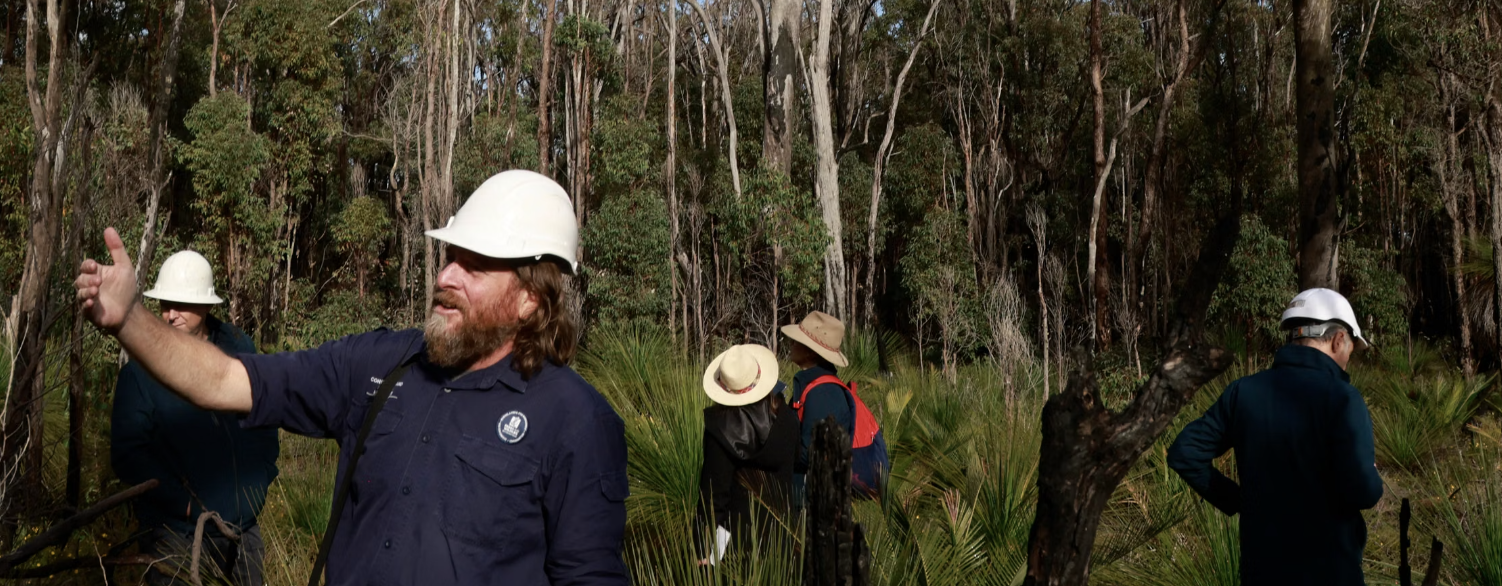
Jarrah forests are a type of eucalyptus up to 40 meters tall in southwestern Australia. This 20-million-year-old ecosystem is weakened by climate change, and scientists disagree on how to protect it. It is part of the Southwest Australia Biodiversity Hotspot, one of 36 global hotspots known for rare species and vulnerability.
Since 1970, rainfall in the region has dropped by 16% between April and October and up to 20% between May and July. Temperatures have risen about 0.15°C per decade. Jarrahs can survive fire or drought by growing new shoots from buds under their bark. But in 2011, heatwaves killed about 10% of the trees, and in 2016 a huge fire burned about 70,000 hectares. Dead trees hurt animals that lose habitats in trunk cavities and harm unique understory plants.
In September 2021, the state government announced the end of large-scale commercial logging, fully banned from January 2024. A forest management plan for 2024 to 2033 aims to improve forest health and biodiversity. The Department of Biodiversity, Conservation and Attractions oversees monitoring, invasive species control, controlled burns, nature reserves, and ecological thinning.
Ecological thinning reduces young trees so there is less competition and more drought resilience. The Noongar, an Aboriginal people there for tens of thousands of years, help monitor the plan. An elder said their ancestors built shelters in the jarrah forests and moved with the seasons, and they are deeply linked to the land. He believes the government means well but is not doing enough.
Reference
Le Monde, “L’Australie se demande comment sauver ses forêts d’eucalyptus ancestrales: ‘Nous devons absolument arrêter d’y toucher,’” published September 20, 2026. https://www.lemonde.fr/planete/article/2026/09/20/l-australie-se-demande-comment-sauver-ses-forets-d-eucalyptus-ancestrales-nous-devons-absolument-arreter-d-y-toucher_6778050_3244.html