
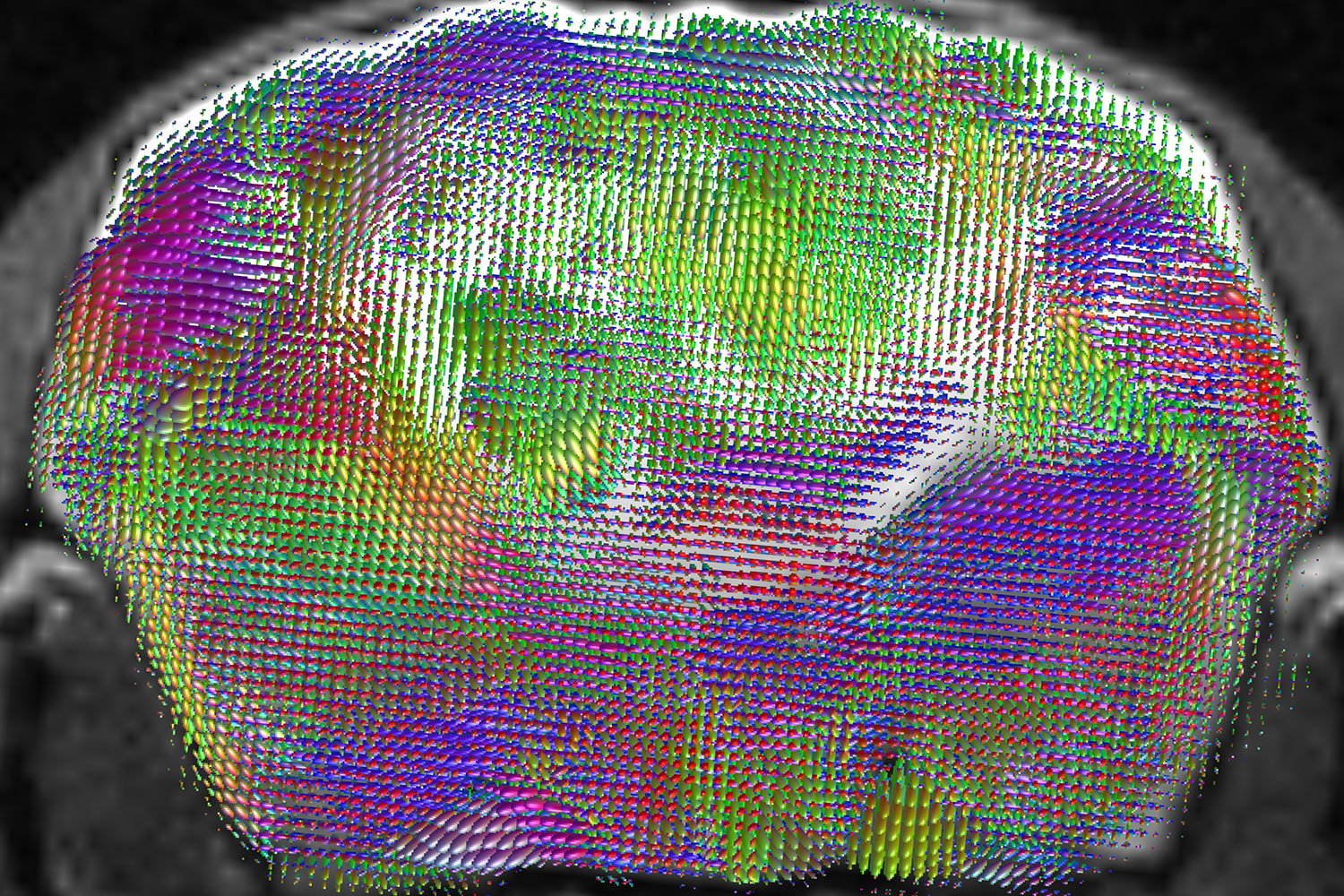
Stanford Medicine researchers, under the leadership of Sergiu Pașca, M.D., a professor of psychiatry and behavioral sciences, have developed a revolutionary platform to study human brain development and complex neuropsychiatric conditions. Published in the journal Nature, this seven-year project overcomes one of the biggest hurdles in neuroscience: the inability to access and study living human brain tissue during early development. This limitation has historically blocked scientists from understanding the exact cellular mechanics behind disorders like autism, schizophrenia, epilepsy, and cerebral palsy.
To solve this, the research team utilized an innovative transplant methodology. They began by reprogramming patient skin cells into induced pluripotent stem cells, which were then guided to grow into human cortical organoids (miniature brain-like structures). Since lab-grown organoids typically stop growing and lack complex neural connectivity after a few months, the researchers transplanted these human cells into mice. Critically, these mice were bio-engineered to lack portions of their own central nervous systems. This created a vacant biological space, allowing the human cells to smoothly integrate, receive blood supply, and mature over an extended period.
The results showed that the transplanted human tissue successfully developed and started mimicking the complex architecture of a developing human fetal brain. It formed active neural connections and allowed the researchers to observe how genetic mutations—specifically those related to rare conditions like Timothy syndrome—disrupt normal brain wiring. This advanced, living model functions as a powerful drug discovery platform, enabling scientists to test new targeted therapeutics on actual human cells in a living system, drastically accelerating the path toward future psychiatric and neurological treatments.
REFERENCE
- López, B. (2026, September 16). Researchers create advanced model for studying brain development, disorders. Stanford University. Link to the article: Stanford University News