
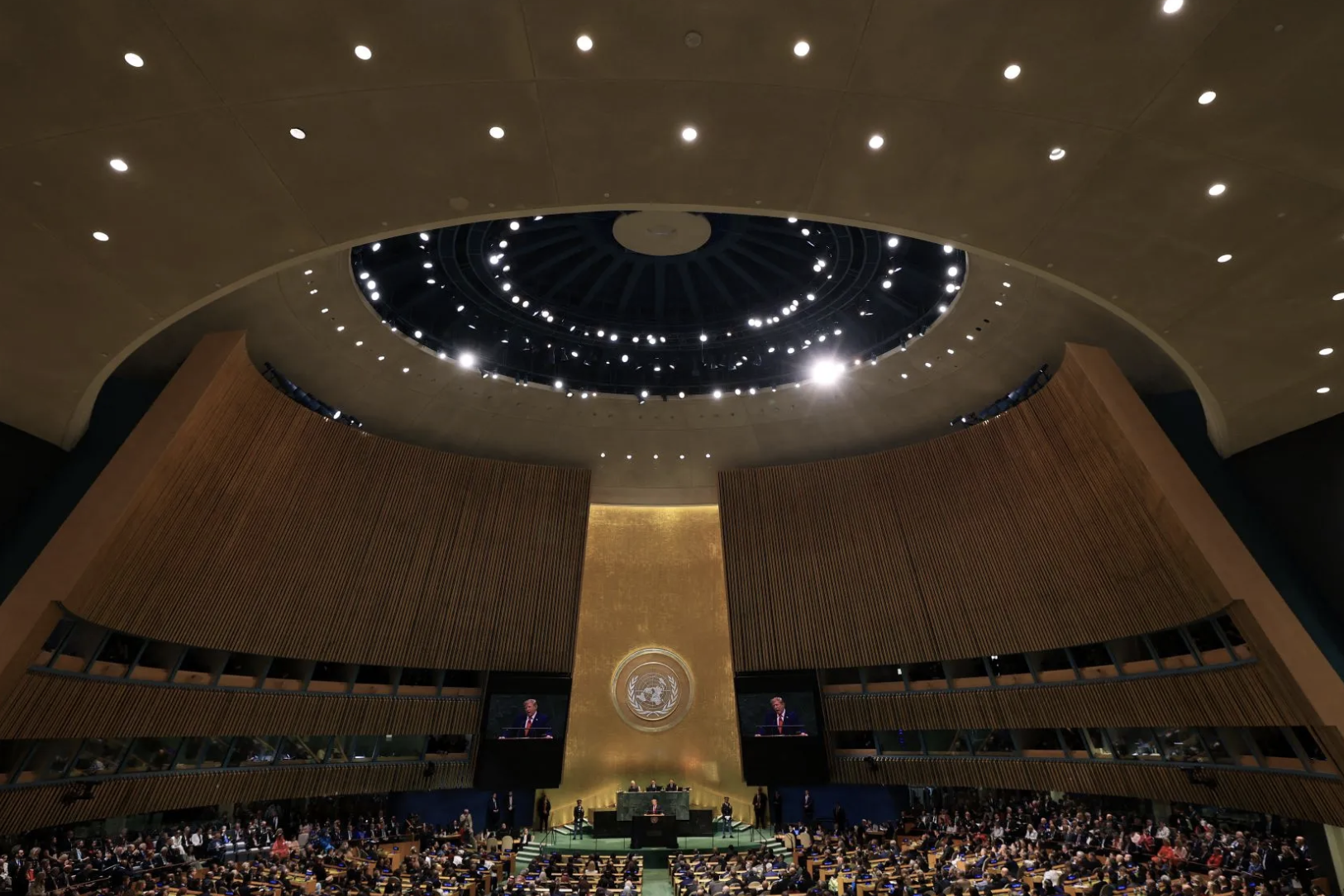
Deliberations regarding UN General Assembly 2026 key issues center on restoring institutional trust and managing global transformations during the 81st session. Scholars from the Brookings Institution evaluated core challenges facing assembled world leaders, ranging from severe budgetary shortfalls to the upcoming selection of a new Secretary-General.
Specifically, policy analysts emphasize that multilateral institutions must address unprecedented security risks across maritime trade choke points alongside rapid advancements in artificial intelligence. Because international crises require coordinated responses, global diplomats examine how member states navigate competing national priorities. Consequently, policy experts monitor whether high-level summits yield actionable multilateral commitments.
Artificial Intelligence Safeguards and Youth Protection
Technological governance represents a central priority during high-level meetings in Turtle Bay. For this reason, experts urge international leaders to establish standardized global safeguards protecting children and young users from unchecked artificial intelligence deployment.
In fact, major AI developers have publicly acknowledged that technological capabilities may be outpacing current safety oversight frameworks. Meanwhile, educational researchers stress that integrating generative tools into classrooms requires protecting human reasoning, critical thinking, and diverse cultural knowledge systems. Therefore, multilateral bodies attempt to formulate unified ethical standards across digital platforms.
Climate Action, African Representation, and Education Financing
Global development debates focus heavily on structural climate intervention and equitable institutional representation. Indeed, environmental scientists advocate expanding field research into solar radiation management and stratospheric aerosol injection to mitigate rising global temperatures.
Furthermore, African representatives reiterate calls for structural reform within the UN Security Council, demanding two permanent seats to reflect the continent’s growing geopolitical weight. At the same time, education advocates highlight the necessity of transparent cost data to maximize international funding for foundational learning programs. As a result, global leaders continue evaluating policy frameworks to rebuild trust in international institutions.
Reference
Brookings Institution. (2026, September 23). What’s at stake at UNGA 2026? Brookings Institution. https://www.brookings.edu/articles/whats-at-stake-at-unga-2026/