
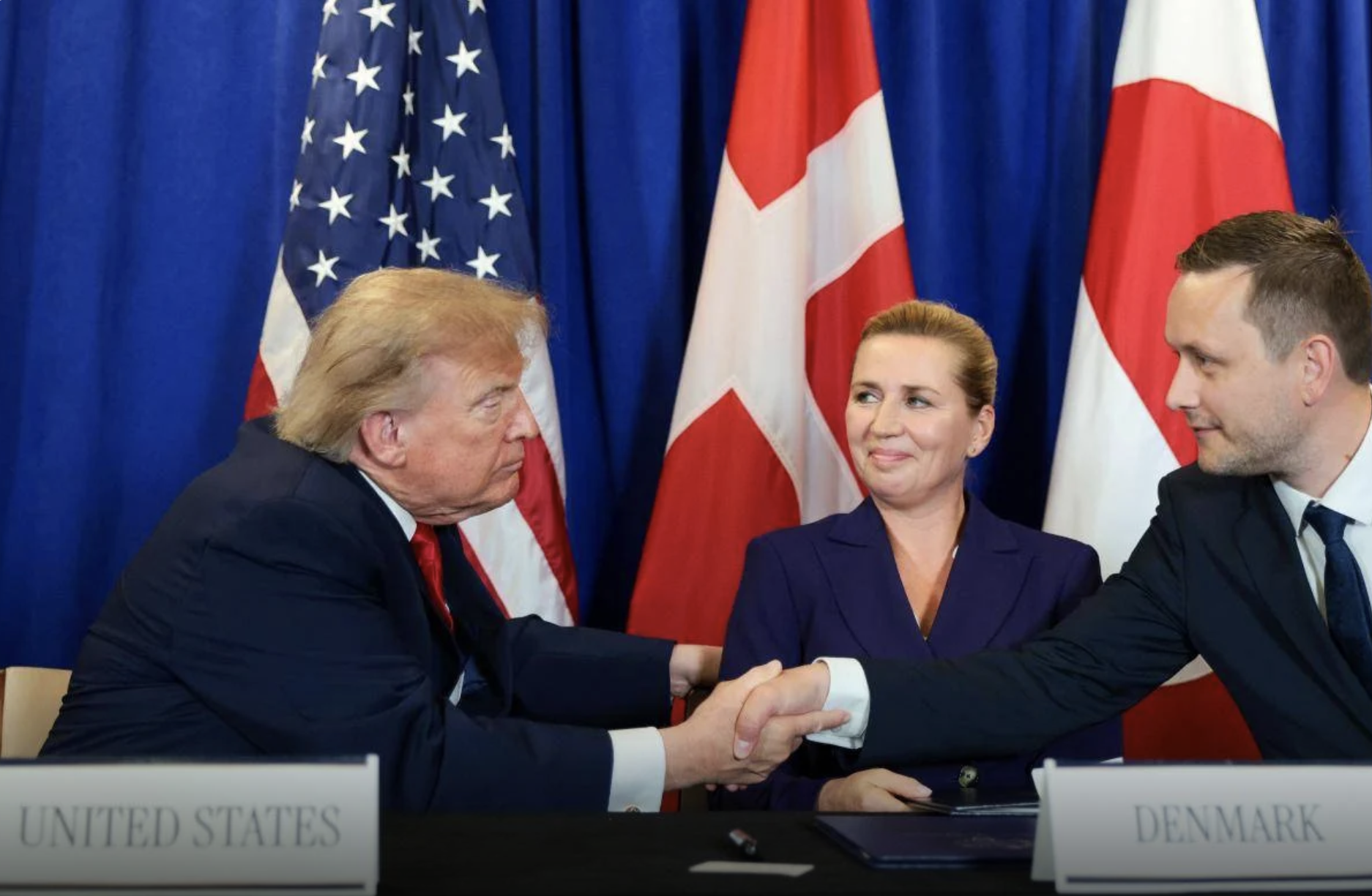
Strategic evaluations regarding the Denmark Greenland agreement Trump diplomacy outcome detail how Copenhagen successfully navigated coercive external pressures. Policy scholars from Chatham House analyzed the September 22 agreement between Denmark, Greenland, and the United States, which resolved territorial tensions without surrendering sovereign Arctic jurisdiction.
Specifically, international legal experts emphasize that Danish officials leveraged multilateral backing across NATO and European Union member states to isolate unilateral demands. Because security dynamics in the Arctic region require long-term stability, diplomatic negotiators prioritized core operational interests over public political rhetoric. Consequently, foreign policy analysts examine how discreet technical negotiations effectively defused high-stakes international friction.
Multilateral Alliances and Historical Legal Precedents
Diplomatic resilience relied heavily on established international law and constitutional self-determination frameworks. For this reason, Danish leadership underscored that Greenland’s 2009 self-government act explicitly guarantees the territory’s right to self-determination, rendering unilateral land transfers legally invalid.
In fact, historical treaties dating back to 1916 and 1951 consistently reaffirmed Danish sovereignty over Greenland while granting American forces operational base access. Meanwhile, European allies demonstrated unified support by dispatching routine defense missions to the region to signal territorial integrity. Therefore, multilateral coalitions effectively countered threats of unilateral military action.
Technical Negotiations and Arctic Security Agreements
Negotiation strategies shifted focus away from public political standoffs toward confidential technical working groups. Indeed, Foreign Minister Lars Lokke Rasmussen and US officials centered discussions on shared security priorities, including preventing non-NATO commercial investments in strategic Arctic zones.
Furthermore, the final treaty text explicitly confirms that Greenland will remain within the NATO defense framework even if the island eventually chooses full independence. While Washington secured permanent military base access, Denmark preserved its constitutional authority and international standing. As a result, global security scholars consider the agreement a masterclass in quiet, interest-based diplomacy.
Reference
Chatham House. (2026, September 24). Denmark’s Greenland deal with Trump is a victory for diplomacy over bullying. Chatham House. https://www.chathamhouse.org/2026/09/denmarks-greenland-deal-trump-victory-diplomacy-over-bullying