
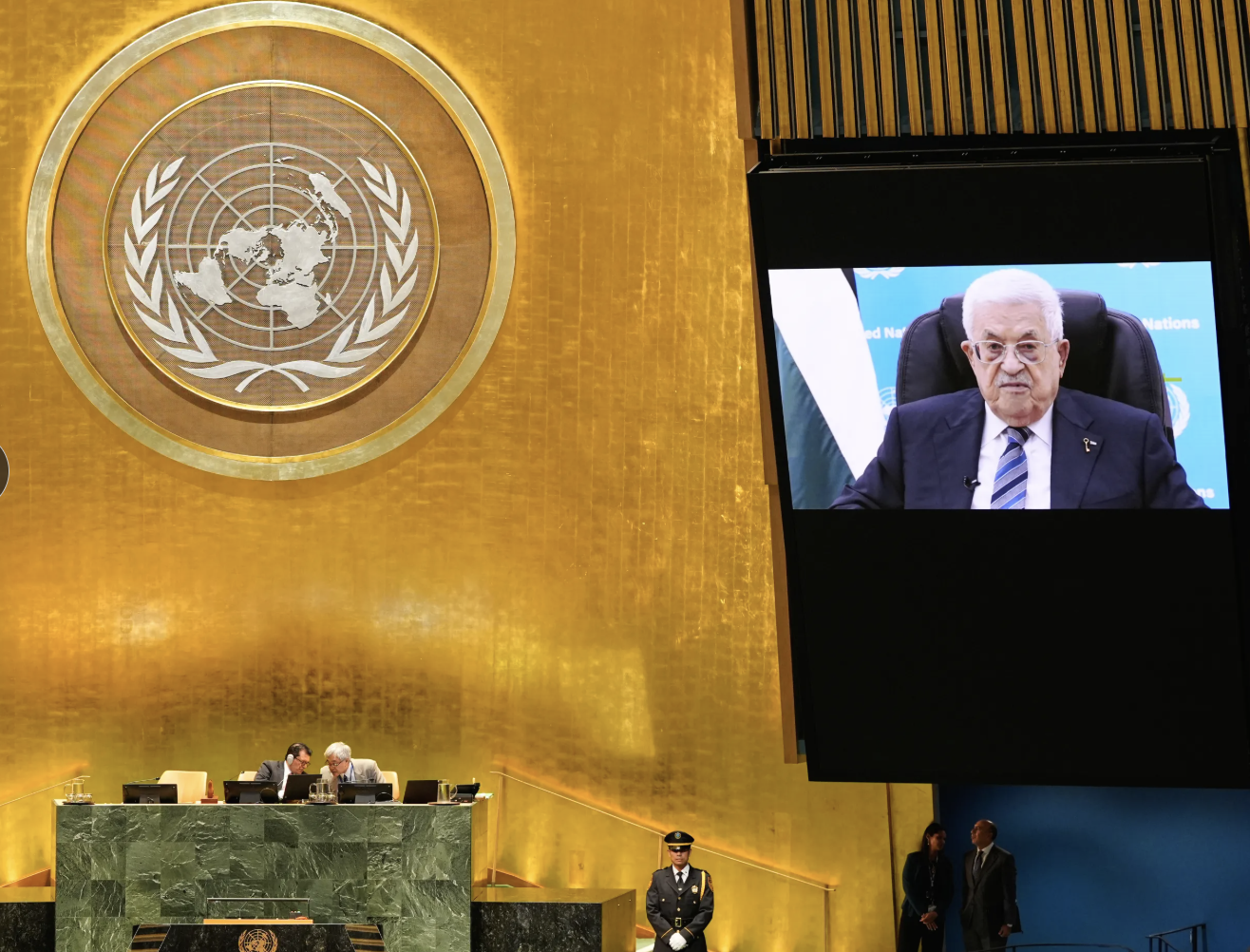
High-level diplomatic proceedings surrounding the Mahmoud Abbas UN General Assembly speech address reflect persistent tensions over Palestinian representation on the world stage. Palestinian Authority President Mahmoud Abbas delivered a pre-recorded address to the 81st session of the United Nations General Assembly from Ramallah after the United States government denied entry visas to senior Palestinian officials for the second consecutive year.
Specifically, the nonagenarian leader rejected external attempts to dictate Palestinian political destiny, calling on international bodies to enforce a two-state solution. Because military operations continue to devastate infrastructure across the Gaza Strip and West Bank, global diplomats closely analyze how political leadership disputes impact post-conflict governance frameworks. Consequently, multilateral observers monitor upcoming addresses by foreign leaders to evaluate peace initiatives.
Diplomatic Standoff and Two-State Frameworks
Sovereignty arguments presented by the Palestinian leadership emphasize long-term territorial integrity across the region. For this reason, Abbas insisted that Gaza, East Jerusalem, and the West Bank must remain unified under a single government enforcing unified civil law.
In fact, Israeli Prime Minister Benjamin Netanyahu arrived in New York to address the assembly in person, maintaining his opposition to the establishment of an independent Palestinian state. Meanwhile, international donors urge the Palestinian Authority to schedule presidential elections, which have remained suspended since 2006. Therefore, global institutions balance ongoing humanitarian relief efforts with long-term governance reform requirements.
Governance Challenges and International Peace Plans
Alternative governance proposals for the region highlight growing divergence among international stakeholders. Indeed, several international delegations support administrative transition plans involving non-political administrators under a broader Peace Board framework.
Furthermore, Abbas criticized the continued expansion of Israeli settlements across the West Bank, arguing that ongoing territorial changes undermine the viability of future peace treaties. While symbolic recognition of Palestinian statehood expanded among UN member nations, practical resolution of the military occupation remains elusive. As a result, diplomats continue working to re-establish formal negotiation channels between the involved parties.
Reference
Associated Press. (2026, September 24). Denied a US visa again, Palestinian leader addresses world leaders in pre-recorded video. Associated Press. https://apnews.com/article/israel-palestinians-abbas-netanyahu-848e9bb0bb2c7a2a05f04be2dc4cb845